
Last updated October 31, 2026
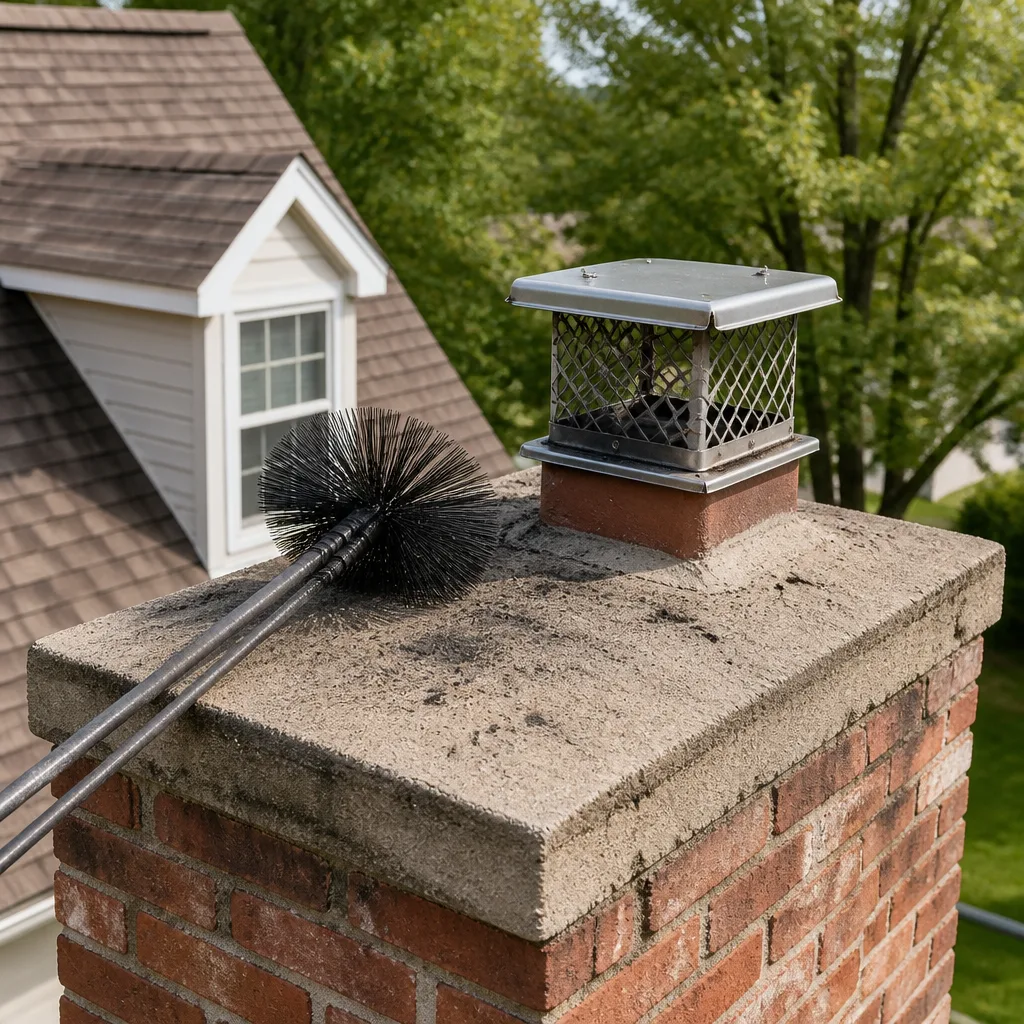 Sweep & inspection
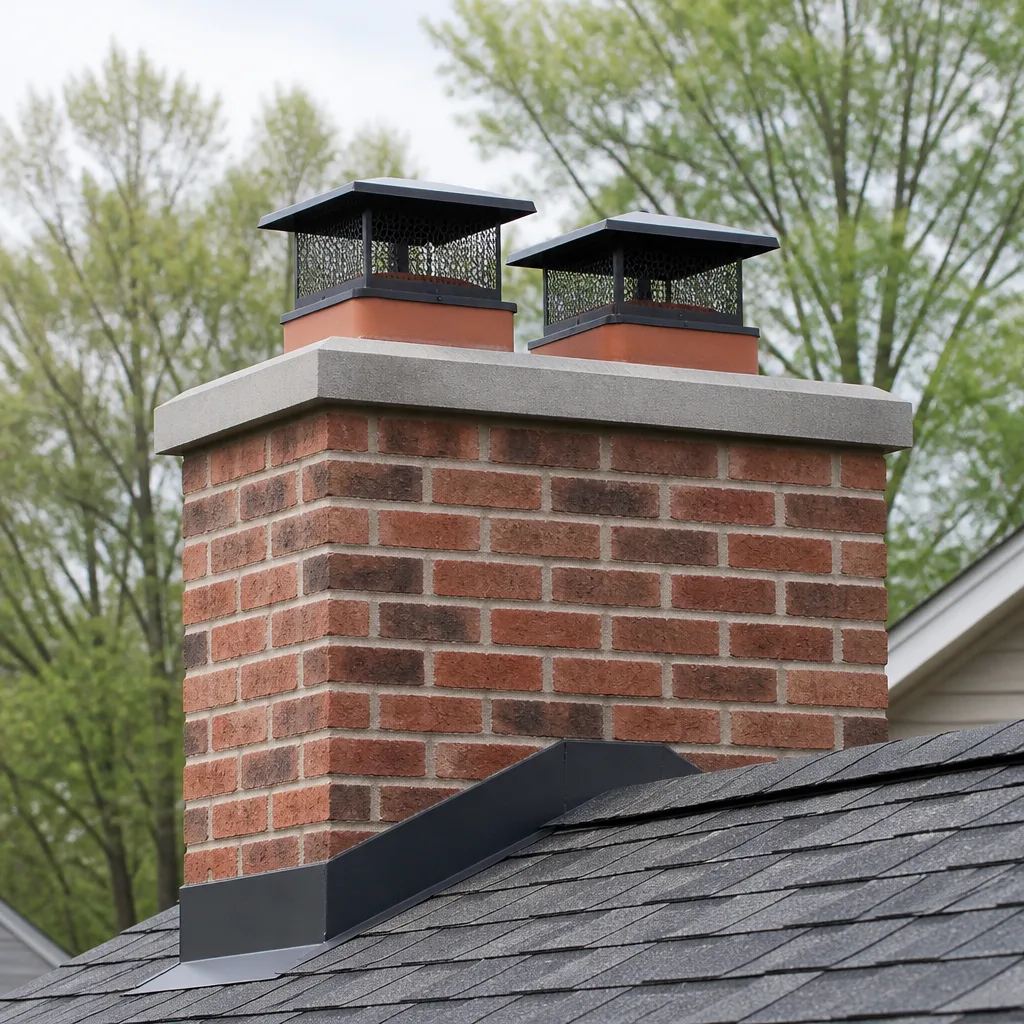 Caps & crowns
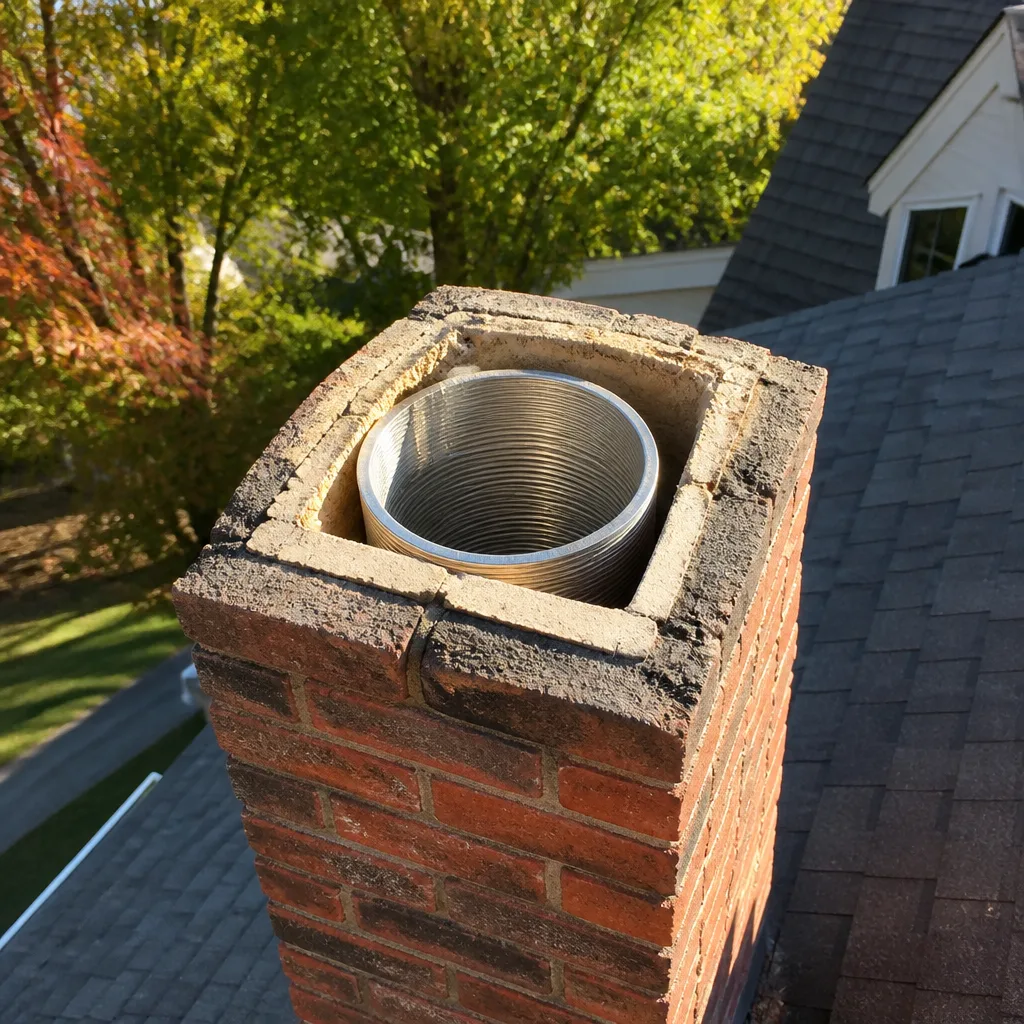 Flue relining
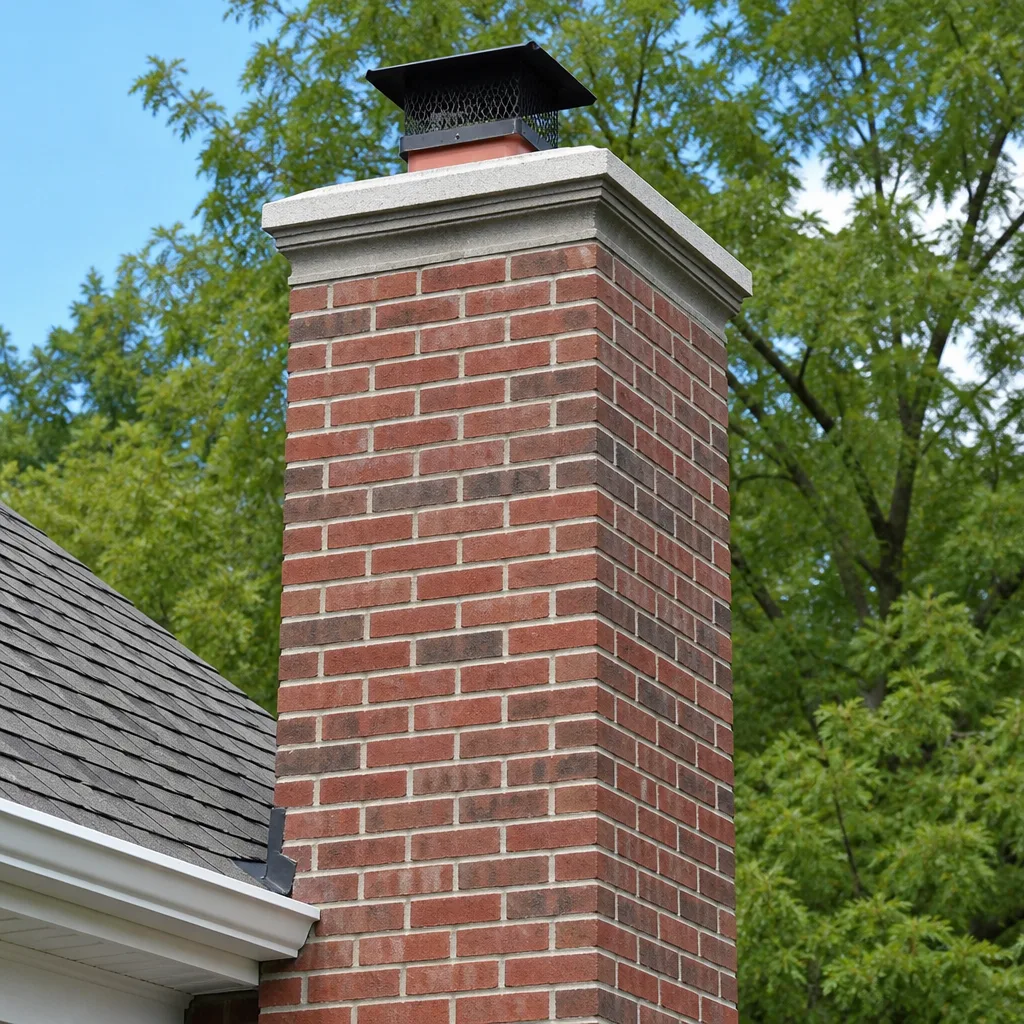 Masonry repair
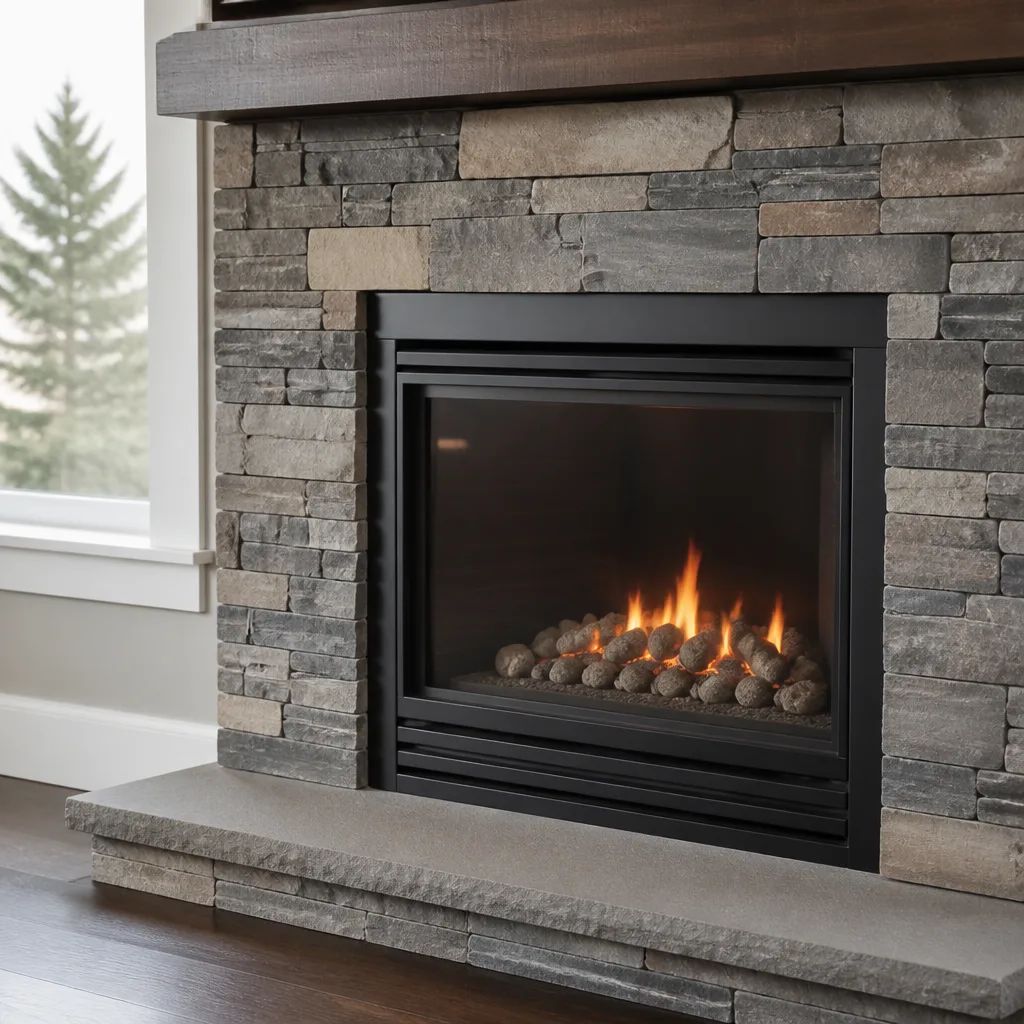 Gas fireplace service
Level 1 sweep and inspection to the NFPA 211 annual standard - flue, crown, cap, and flashing checked and photographed
Chimney sweep logs do not sweep chimneys. They loosen some creosote - which then falls where a brush and vacuum still have to collect it.
Chimney Cleaning Warning Signs: A West Town Homeowner’s Reference Guide
White staining on the exterior of a chimney, called efflorescence, looks cosmetic but is actually a reliable indicator that water is moving through the masonry. That means the interior flue may already be showing moisture damage that a camera inspection will confirm. Most chimney problems in West Town announce themselves quietly, through stains and odors and small cracks, long before anything dramatic happens. This guide walks through what you can observe yourself, room by room and from the street, and what each observation specifically means. For Chimney Sweep Maintenance Checklist for West Town Homeowners, see our dedicated resource.
Styles & brands we work with
Quick Answer
The most common chimney cleaning warning signs in West Town are black staining around the firebox, a smoke or campfire odor in summer, white efflorescence on exterior brick, flaking or spalling masonry, and drafting problems where smoke enters the room instead of rising up the flue. Any one of these means the chimney needs a professional inspection. Several of them together usually means creosote buildup or moisture intrusion has already begun. Our Chimney Sweep Troubleshooting: Common Problems and How to Fix Them covers what to expect next.
Table of Contents
- Interior Warning Signs: What You’ll Notice Inside
- Exterior Warning Signs: What to Look for from the Street
- Creosote Odor vs. Masonry Moisture Odor: How to Tell Them Apart
- Warning Signs Specific to Gas Appliances
- The Triage Framework: Sweep Now, Stop Using, or Cosmetic Only
- West Town Specific Factors: Climate, Housing Stock, and What They Mean
- What Actually Happens During a Chimney Sweep
- Common Mistakes to Avoid
- When to Call a Professional
- Frequently Asked Questions
- The Bottom Line
Interior Warning Signs: What You’ll Notice Inside
Start in the living room, not on the roof. The inside of your home usually tells you about chimney problems before the outside does, because the flue is a direct channel from the firebox to the air you breathe. Here is what to check in each room.
The Fireplace Room
Black staining around the firebox opening is the most common sign we see in West Town homes with wood-burning fireplaces. It looks like soot smudging on the face brick or the mantel surround. This means smoke is spilling into the room instead of drafting cleanly up the flue. The cause is usually creosote narrowing the flue passage, but it can also be a damper that does not open fully or a flue sized wrong for the firebox.
Smoke odor in summer is a different and more useful signal. If you smell a campfire smell in the fireplace room in July or August, that is humid air moving down the flue and picking up creosote residue on the way. It means the flue has enough creosote to be aromatic and enough airflow to carry the smell. A clean flue does not smell in summer. A flue with a quarter inch of creosote does.
Drafting problems show up in specific ways. Smoke entering the room when you light a fire, a fire that struggles to catch despite dry wood, or a fire that burns well for twenty minutes and then starts smoking all point to flue restriction or negative air pressure in the house. In older West Town buildings with recently replaced windows, the house may be tighter than it was when the chimney was built, and the flue may not get enough makeup air.
Other Rooms
A gas-like or musty odor near interior walls that run alongside the chimney is worth attention. In multi-unit West Town buildings, a neighbor’s chimney problem can show up in your unit through shared masonry. Soot staining on walls or ceilings near the chimney chase, not just the firebox, suggests a breach somewhere in the flue liner. And any white or gray powder on the floor near the fireplace base is fallen efflorescence, which means moisture has been moving through the masonry above and carrying mineral salts with it.
One more check: tap the damper with a fireplace tool. If it sticks, rattles, or will not fully seat, that is an inspection item. A damper that does not close completely lets conditioned air escape up the flue year round, which is an energy cost plus a moisture pathway.
Exterior Warning Signs: What to Look for from the Street
You do not need a ladder for most exterior inspection. Stand on the sidewalk, or step onto a rear porch or rooftop deck if you have one, and work through this list.
Efflorescence and White Staining
White chalky deposits on the brick face are mineral salts left behind when water moves through masonry and evaporates. Efflorescence itself is not structural damage, but it is proof that water is inside the brick. In West Town, freeze-thaw cycles from November through March turn trapped water into expanding ice, which is what eventually spalls brick faces off. If you see efflorescence, the chimney is retaining water. The next question is where the water is getting in, and a camera inspection of the flue interior answers whether it has reached the liner.
Spalling Brick and Flaking Masonry
Spalling is the term for brick faces popping off, leaving a recessed, rough patch. It happens when water-saturated brick freezes and the outer face separates. Spalling is not cosmetic. It reduces the structural cross-section of the chimney and usually accelerates once it starts because the newly exposed inner brick absorbs water faster than the original fired face. In a West Town winter, a spalled chimney can go from surface damage to loose brick in one season.
Cracked Crown
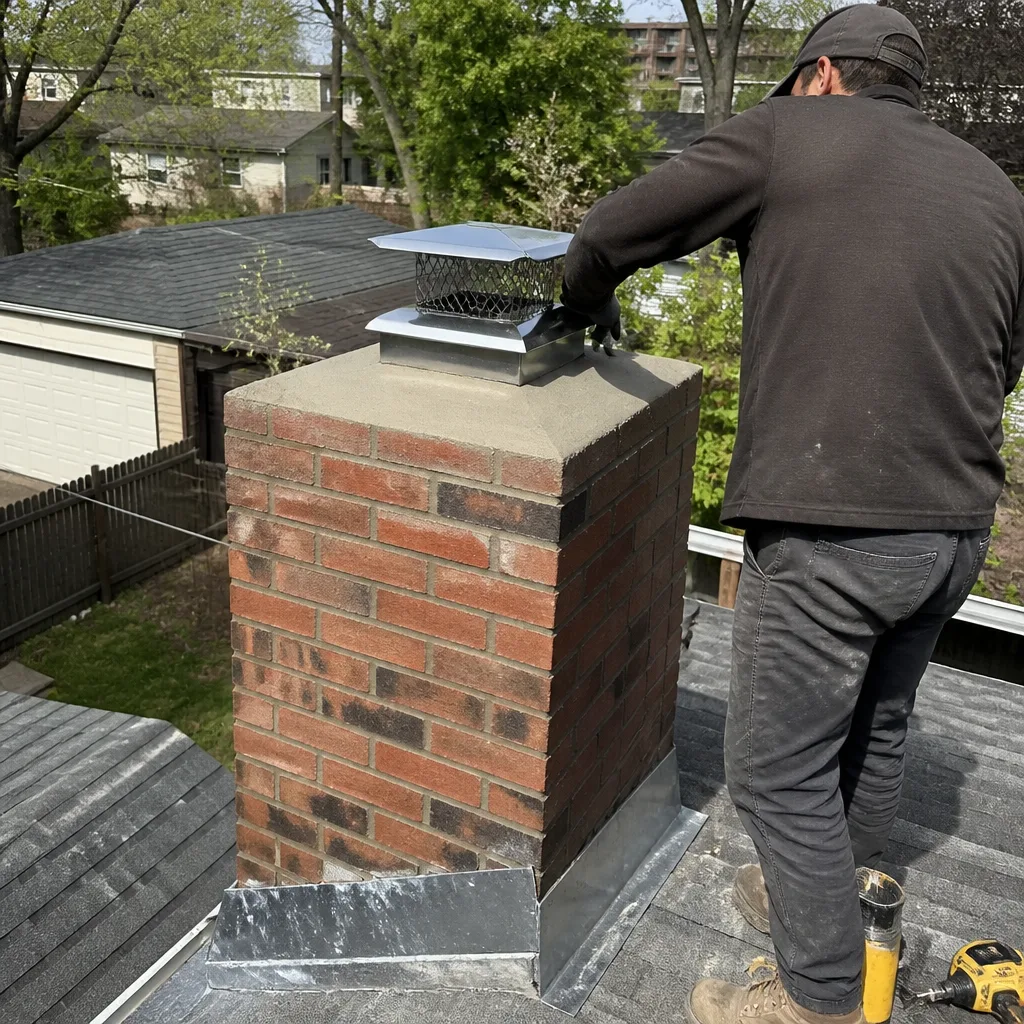
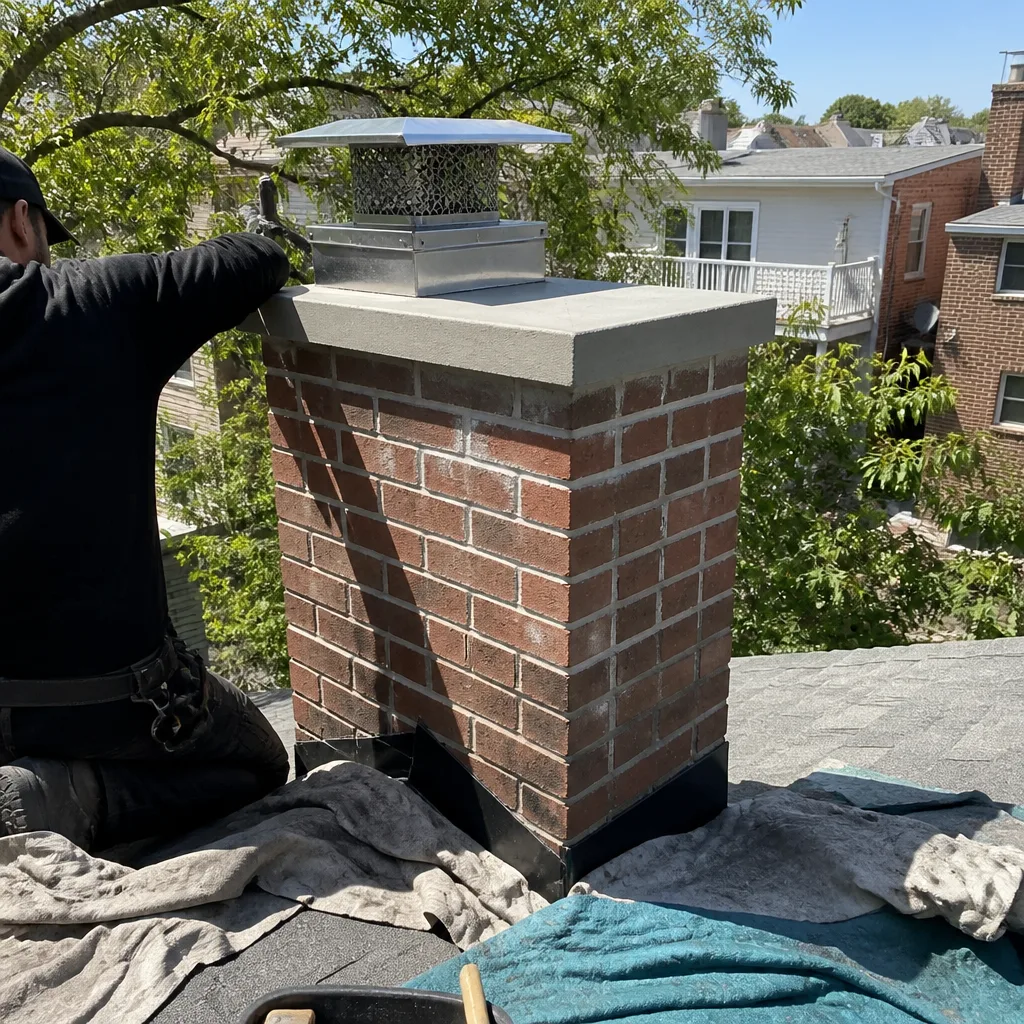
The crown is the concrete cap at the top of the chimney. Its job is to shed water away from the flue and the masonry below. Hairline cracks in the crown allow water directly into the chimney structure. Because the crown is exposed to the most direct weather, crown cracks are one of the earliest exterior warning signs. A crown crack wider than a quarter inch is an active water entry point.
Rust Stains from the Cap
Rust staining below the chimney cap or running down the flue tile means the cap or damper assembly is corroding. Metal components rust when they are repeatedly wetted and dried. Rust stains tell you water is getting past the cap, and the cap is losing its protective function. If the rust is severe, the cap may need replacement, but the more important question is whether water has been running down the flue interior and damaging the liner.
Mortar Joint Deterioration
Run your eye along the vertical and horizontal mortar lines. Eroded, recessed, or sandy mortar joints are open channels for water. In older brick chimneys, lime-based mortar breaks down from decades of rain exposure. Repointing, which is the process of cutting out deteriorated mortar and replacing it with fresh mortar, fixes the joints. But if you can see mortar missing, the chimney has already been taking on water for years.
Creosote Odor vs. Masonry Moisture Odor: How to Tell Them Apart
Two distinct chimney odors confuse homeowners, but they point to different problems and different solutions.
Creosote odor smells like a campfire, a wood stove, or a barbecue that burned overnight. It is strongest on humid days and in summer, when downdrafts carry flue air into the house. It is concentrated near the fireplace opening. Creosote odor means the flue has accumulated combustion byproducts, and the fix is a mechanical sweep to remove the deposits.
Masonry moisture odor smells musty, earthy, or like a damp basement. It is often more noticeable in the room above the fireplace or in a closet that shares a wall with the chimney. It tends to be persistent rather than seasonal, though it can spike after rain. Moisture odor means water is entering the masonry and sitting somewhere it should not. The fix is not a sweep, it is a water entry diagnosis: crown, flashing, cap, or masonry joints. In some cases, a moisture-damaged flue liner is also due for repair or replacement with a DuraFlex liner system.
If you smell both, you have both problems: a flue with creosote buildup and a chimney that is taking on water. That combination accelerates liner deterioration, because creosote plus moisture creates an acidic environment inside the flue.
Warning Signs Specific to Gas Appliances
Gas fireplaces and inserts vent differently than wood-burning fireplaces, and their warning signs are easy to misattribute. Homeowners often blame the appliance when the real problem is in the chimney.
White or gray residue on the glass of a gas insert is combustion byproduct, and some buildup is normal. But a rapid white film that returns within days, or a blue-gray haze that forms on nearby walls, means exhaust gas is not venting properly. The cause is usually a blocked or deteriorating chimney chase, a disconnected vent pipe, or a flue liner that has been damaged by the acidic condensate gas appliances produce.
Gas appliances produce water vapor as a combustion byproduct. That vapor condenses on the flue walls and runs back down as an acidic liquid. Over time, this condensate eats through clay tile liners and mortar joints. If you see rust-colored staining on the firebox floor of a gas insert, or if you notice persistent condensation on windows near the fireplace when the unit is running, those are venting warning signs.
The smell of gas itself is a utility emergency, and the protocol is to leave the home and call the gas company. But a musty, sulfur-like odor only when the fireplace is running often means flue gases are leaking into the wall cavity instead of exiting through the chimney. That is an immediate stop-use signal.
The Triage Framework: Sweep Now, Stop Using, or Cosmetic Only
Not every warning sign requires the same level of urgency. Here is a practical framework for deciding what to do.
- Stop using the fireplace immediately: smoke entering the room, gas odor while the unit is running, visible cracks in the firebox refractory panels, or water dripping into the firebox during rain. These mean the venting pathway is compromised.
- Schedule a sweep within the month: summer campfire odor, black staining around the firebox, a fire that smokes when first lit but settles down, or a damper that no longer seats properly. These indicate creosote accumulation that will only keep building.
- Schedule an inspection this season: efflorescence, cracked crown, rust stains from the cap, or eroded mortar joints. These are moisture problems that get worse with every freeze-thaw cycle, but they will not cause a chimney fire tomorrow.
- Cosmetic only, monitor but do not panic: light soot dusting on the mantel from an open fire, minor surface staining that does not change season to season, or hairline settling cracks in the firebox that have been stable for years. These are worth photographing and watching, but they do not require immediate action.
We have used this exact triage framework on hundreds of Chimney Sweep in West Town visits. It prioritizes safety signals first, then structural moisture, then cosmetic observations. A homeowner who can sort their observations into these buckets is already ahead of most service calls we take.
West Town Specific Factors: Climate, Housing Stock, and What They Mean
West Town’s housing stock and climate create a specific set of chimney conditions that homeowners in other parts of the country do not face.
Most residential chimneys in West Town are built into masonry walls of brick homes constructed between 1880 and 1940. These chimneys have unlined or clay-tile-lined flues that have now weathered over a century of Chicago winters. That age means the mortar in the flue joints is often original lime mortar, which crumbles under decades of acidic exposure. When we scope these flues with a camera, we frequently find missing mortar joints and clay tiles that have shifted out of alignment.
The freeze-thaw cycle is the single biggest driver of exterior chimney damage in West Town. Chicago winters deliver sustained periods below freezing with periodic thaws. Each cycle pushes trapped water deeper into masonry micro-cracks. A hairline crack that is stable through a dry fall becomes a water channel by March. Homeowners who inspect their chimneys every spring, after the freeze-thaw season ends, catch spalling and crown cracks at their earliest stages.
West Town’s location near the Chicago River also means higher ambient humidity than further inland neighborhoods. Humidity accelerates creosote odor migration into living spaces and makes summer campfire smells more noticeable. It also affects how quickly metal chimney components rust, which is why cap and damper corrosion is a more frequent finding here than in drier regions.
Many West Town homes have been renovated over the years, with additions and roof lines altered. When a roofline changes, a chimney that once extended well above the ridge may now sit close to the roofline, which changes draft dynamics. A chimney that drafted fine for eighty years may smoke after a dormer addition. If a fireplace has started smoking recently, and the roofline has changed in the last decade, that is a draft calculation issue, not just a creosote issue.
What Actually Happens During a Chimney Sweep
Knowing what a proper sweep involves helps homeowners evaluate who they are hiring. A professional sweep is not a brush on a pole waved up and down the flue.
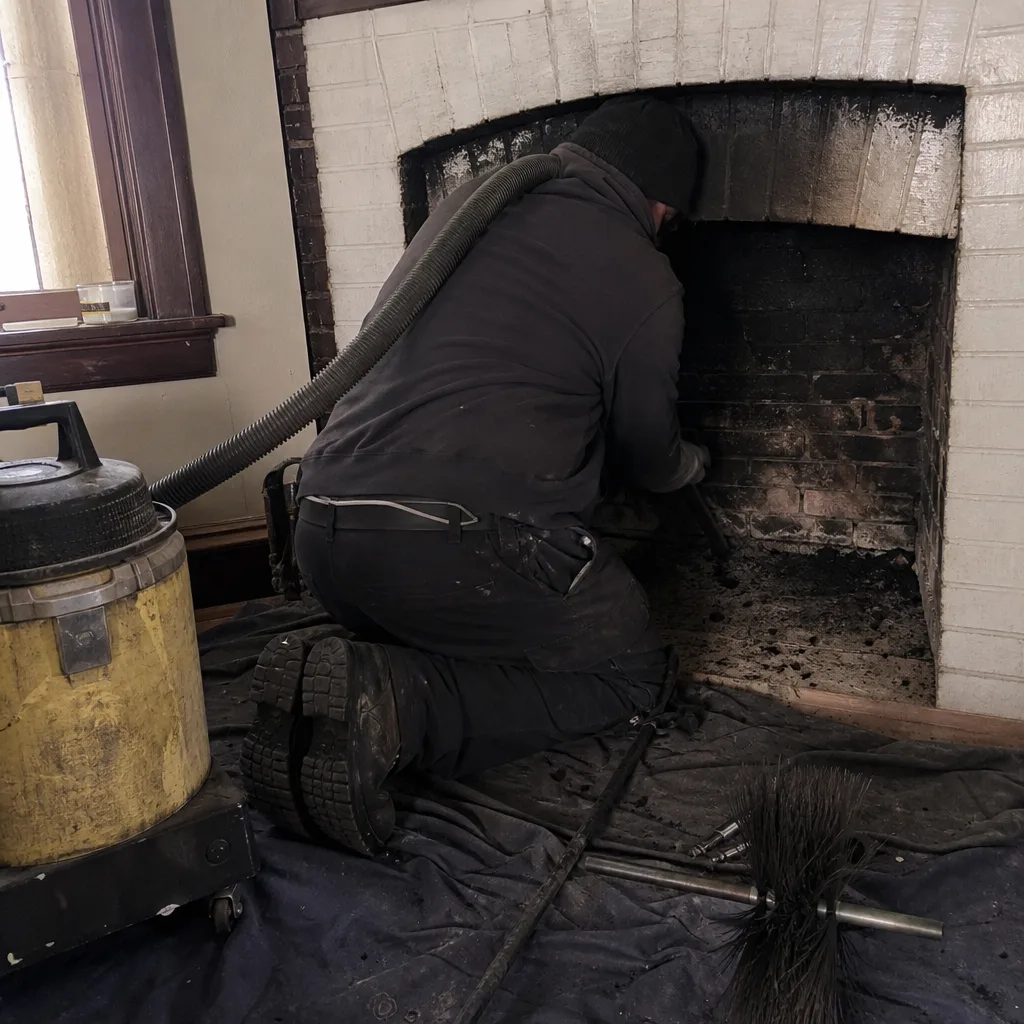
A full chimney sweep with Brightway Chimney Sweep starts with a camera inspection of the flue interior. The camera shows the condition of the liner, the presence and thickness of creosote, and any blockages like animal nests or fallen masonry. The sweep then runs mechanical brushes sized to the flue dimensions to remove creosote from the liner walls. The firebox, smoke shelf, and damper assembly are cleaned by hand with a HEPA vacuum running throughout to contain dust.
After the sweep, we walk the homeowner through the camera footage. That step matters because it turns an invisible problem into something the homeowner can see and evaluate. If we see a cracked clay tile or a breach in the liner, the footage shows it. If the flue is clean and sound, the footage shows that too. Straight answers, no pressure, that is the standard.
For flues that need more than cleaning, the repair path depends on what the camera reveals. HeatShield ceramic flue resurfacing restores damaged clay tile liners without full demolition, which is a specialized service most sweep companies cannot perform. For chimneys that need a full reline, we install DuraFlex flexible liner systems, the professional standard in the trade. Some West Town homeowners also use our Dryer Vent Cleaning in West Town service during the same visit, which addresses the other major fire risk in the home.
For a deeper service explanation, the Brightway Chimney Sweep home page covers the company’s full scope, and the Chimney Repair in West Town page details the repair side.
Common Mistakes to Avoid
- Assuming no fire means no problem. A fireplace that has not been used in five years still has a flue, and that flue is still aging. Moisture damage and animal nesting happen whether or not fires are lit. Many of the worst flue conditions we find are in chimneys that were simply ignored.
- Painting over efflorescence. Paint seals the surface and traps moisture inside the masonry, which accelerates spalling. Efflorescence is a symptom, not a stain to cover. The underlying water entry has to be addressed.
- Using a store-bought creosote log instead of a sweep. Creosote sweeping logs soften some creosote but do not remove the hardened, glazed deposits that actually create chimney fire risk. They are not a substitute for mechanical removal.
- Burning unseasoned wood and wondering why the chimney smokes. Wet wood produces cooler fires, more smoke, and faster creosote accumulation. In West Town, firewood should be split and stacked under cover for at least six months before burning.
- Ignoring a rusted damper. A damper that will not close is a year-round energy leak and a moisture pathway. Replacing a damper is a small repair compared to the damage that follows.
- Hiring a generalist for chimney work. Chimney sweeping and repair is a specialist trade. A general handyman with a brush does not carry a camera, does not stock trade-grade materials, and cannot perform relining work. The cost difference is usually small; the diagnostic difference is everything.
- Waiting until fall to book a sweep. West Town chimney companies book out weeks in advance from September through December. If you notice a warning sign in June, book then. You will get an earlier appointment and have the whole summer to complete any repairs before burning season.
When to Call a Professional
Call when you see any of the stop-use signs: smoke entering the room, gas odor while the appliance is running, water in the firebox, or visible cracking in the firebox panels. Call when you smell campfire odor in summer or see efflorescence that has not been diagnosed. Call when a home inspection flagged the chimney and you want a second opinion from a specialist. And call before burning season starts, not after. Brightway Chimney Sweep offers free estimates in West Town, call (833) 365-6591 and we will schedule a camera inspection and give you straight answers about what the chimney actually needs. Explore more guides & resources on chimney care and home safety.
Frequently Asked Questions
A standard chimney sweep in West Town typically runs between $200 and $400 depending on flue condition, accessibility, and whether the chimney has been recently maintained. A camera inspection is often included or a small add-on, and it is worth having: it tells you whether the chimney needs anything beyond a sweep. Call (833) 365-6591 for an exact quote, estimates are free.
A wood-burning chimney should be swept at least once per year if it is used regularly, and gas appliances should be inspected annually even though they do not produce creosote. The National Fire Protection Association standard is that chimneys should be swept when creosote buildup reaches one-eighth of an inch. In practice, once a year before burning season is the right rhythm for most West Town homes.
Not always. A camera inspection will show the actual condition of the flue. If the clay tile liner has minor cracks or missing mortar joints, HeatShield ceramic resurfacing can restore it without demolition. If the liner has deteriorated significantly, or if the chimney was never properly lined, a DuraFlex flexible liner system is the fix. What you should not accept is a contractor recommending thousands of dollars of liner work without showing you the camera footage that justifies it.
Creosote accumulates, the flue passage narrows, and the chimney drafts worse. The worst-case outcome is a chimney fire, where creosote ignites and burns inside the flue at temperatures high enough to crack the liner and spread to the house structure. Less dramatic but more common is progressive water damage that goes from a $400 crown repair to a $4,000 masonry rebuild over several freeze-thaw seasons.
Summer fireplace odor in West Town is almost always creosote residue in the flue interacting with humid downdraft air. A clean flue does not smell because there is nothing for the humid air to pick up. A flue with creosote deposits acts like a stale campfire every time the air pressure outside drops. A sweep fixes it, and if the smell persists after a sweep, the next step is a camera inspection to look for moisture intrusion in the masonry.
Mechanical chimney sweeping involves accessing the roof, running brushes down a flue, and containing the creosote dust that falls. It is dangerous work for an untrained person on a pitched roof, and a homeowner cannot see the flue interior without a camera. What you can do yourself is inspect from the ground: look for efflorescence, spalling, crown cracks, and rust stains. Leave the rest to a professional.
The Bottom Line
Most chimney problems in West Town announce themselves early and quietly. Efflorescence on the exterior means water is entering the masonry. Summer campfire odor means creosote is sitting in the flue. Black staining around the firebox means drafting is already compromised. A homeowner who learns to read these signs catches problems when they are still cheap to fix. The discipline is simple: inspect your chimney every spring, schedule a sweep before burning season, and get a camera inspection whenever something changes. The alternative is waiting until the chimney makes itself impossible to ignore.
Written by the team at Brightway Chimney Sweep, serving West Town since 2016.
See the difference
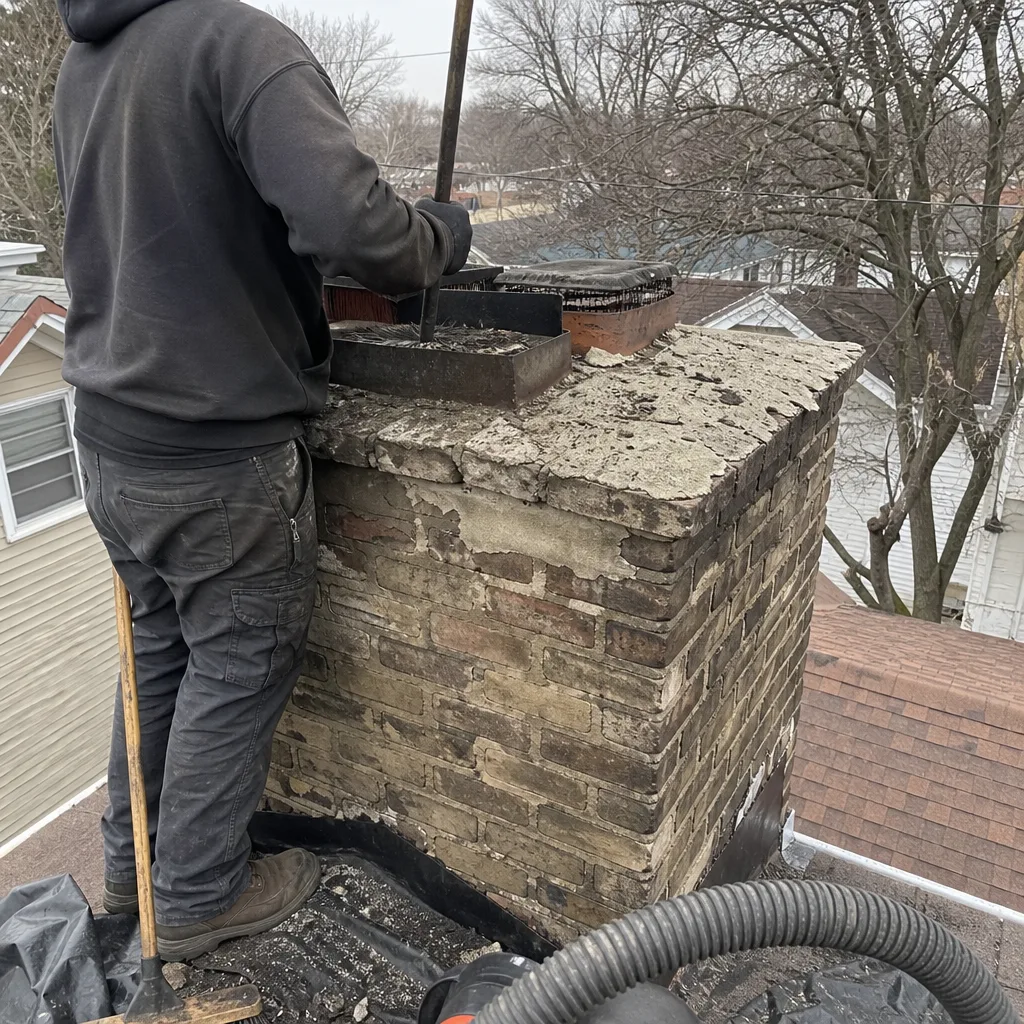 Before
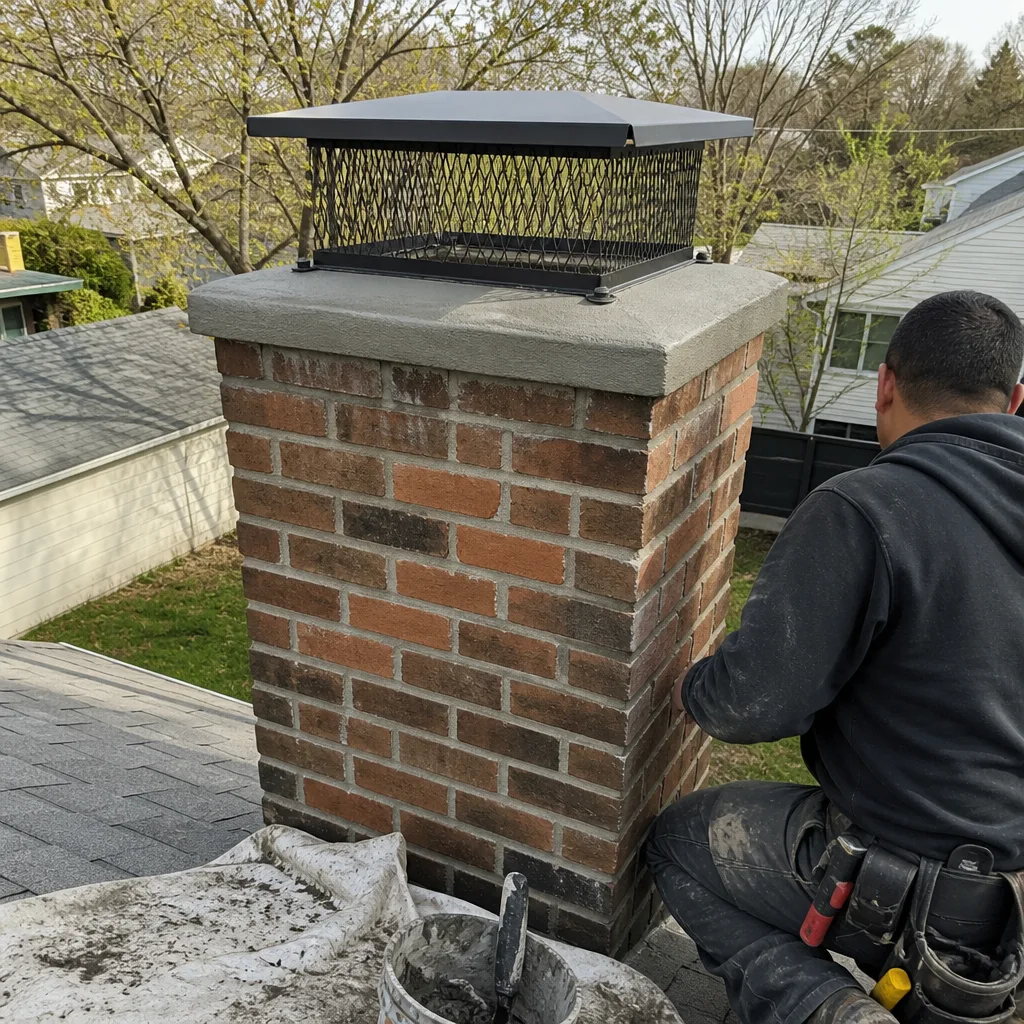 After
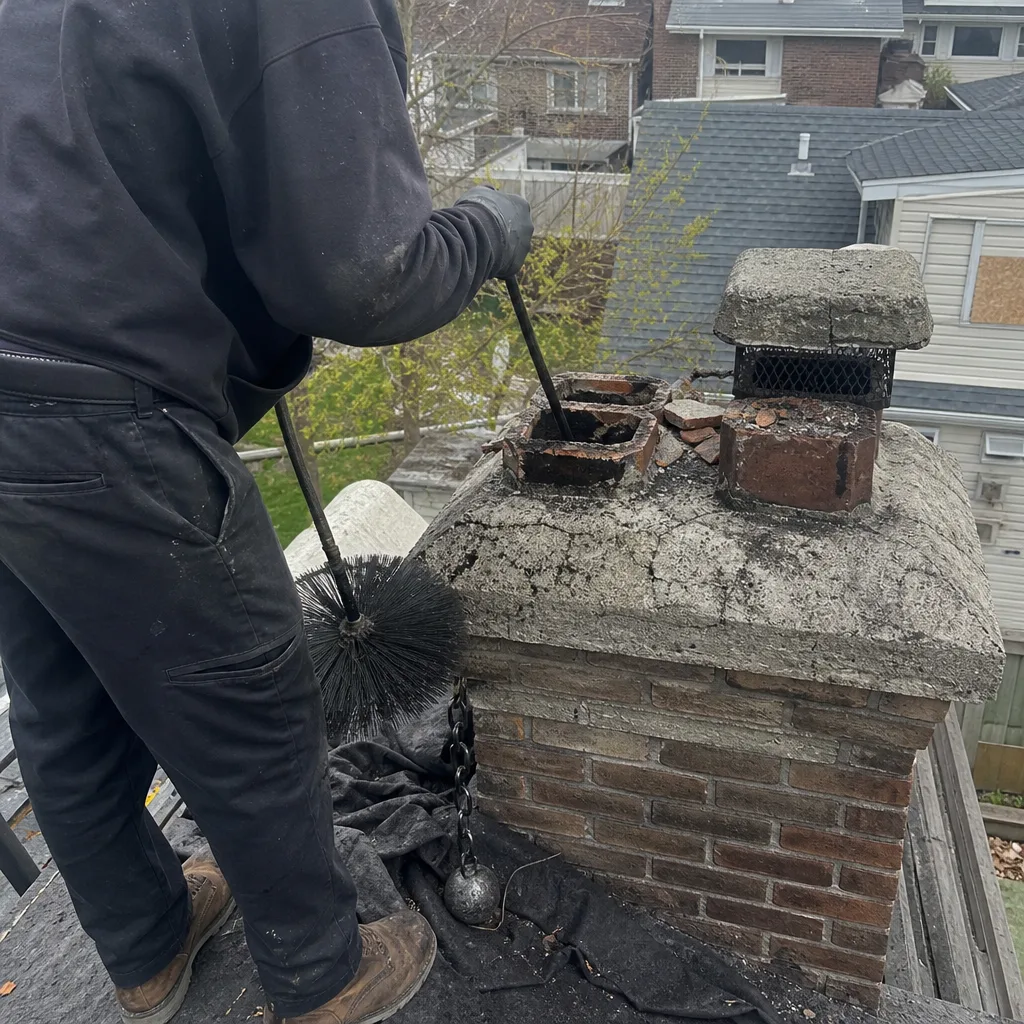 Before
 After
 Before
 After