
Last updated October 31, 2026
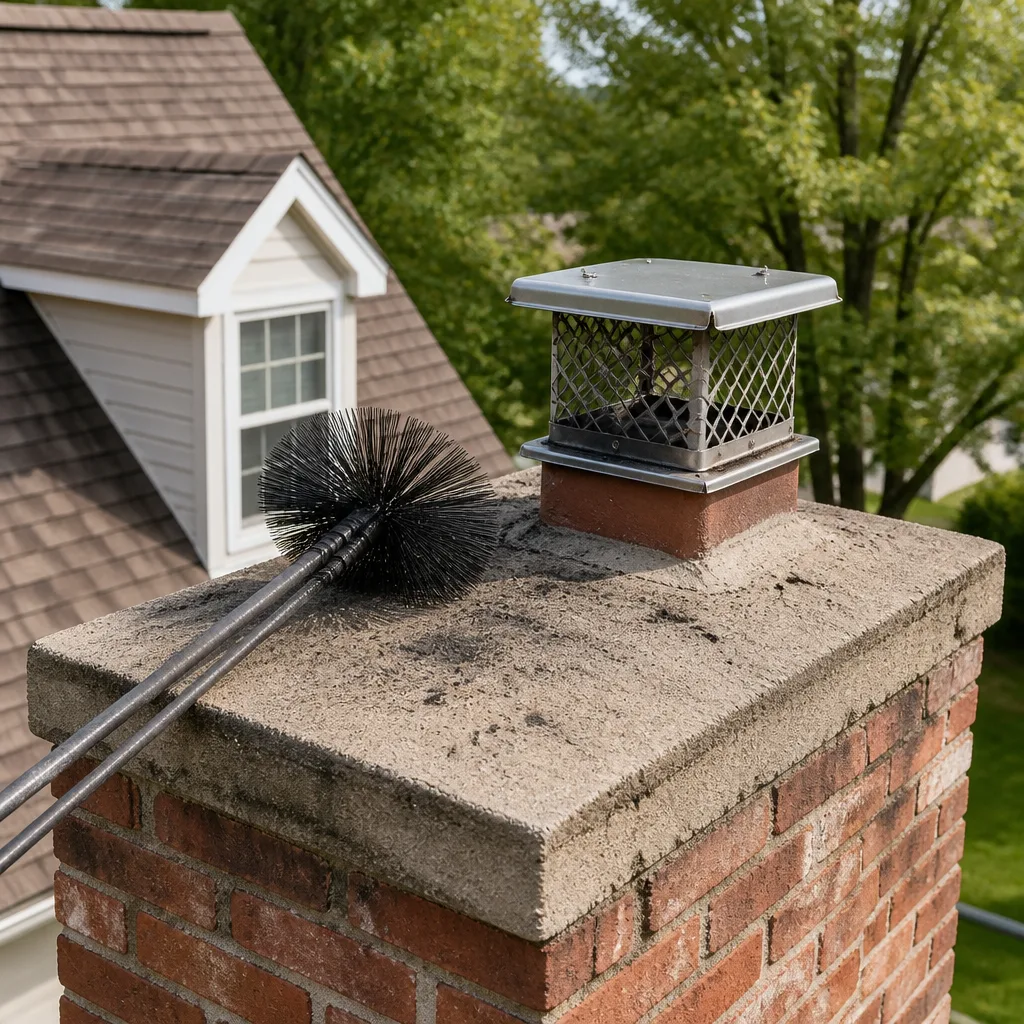 Sweep & inspection
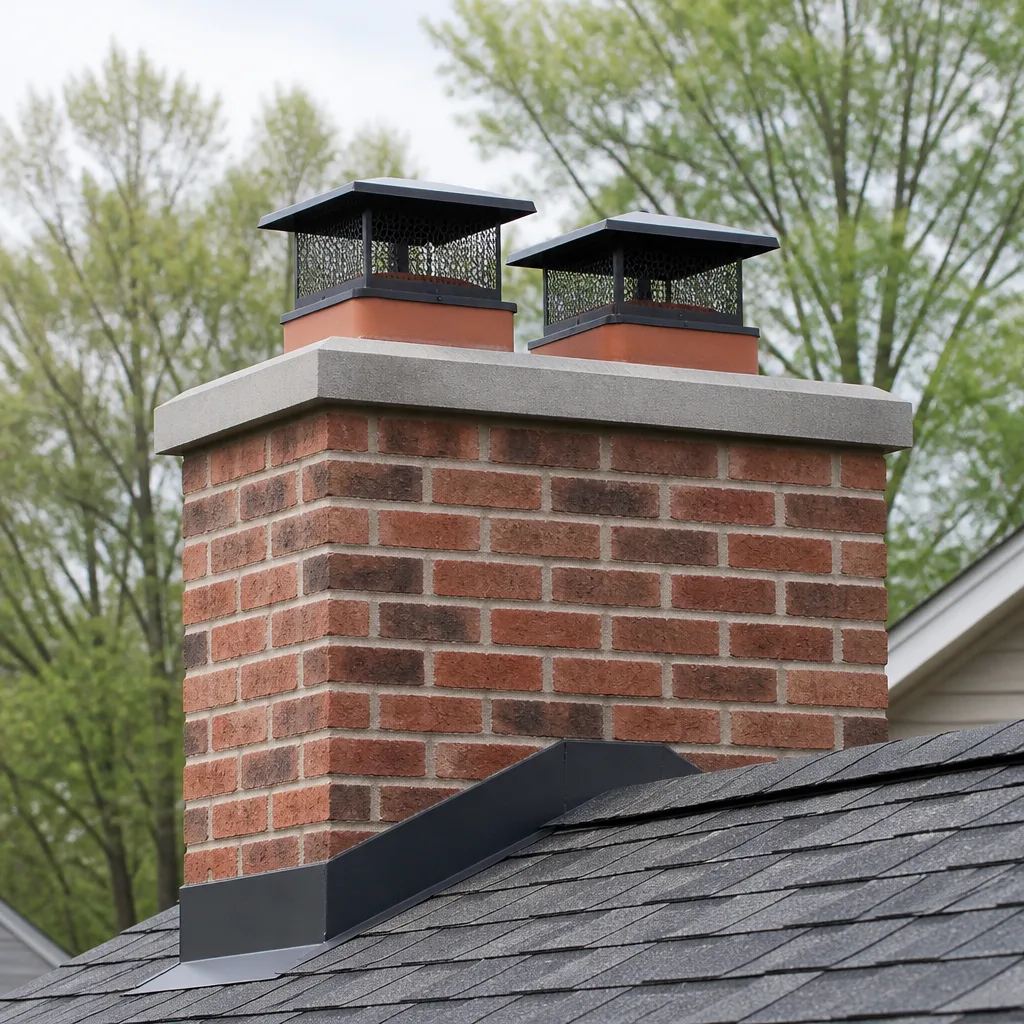 Caps & crowns
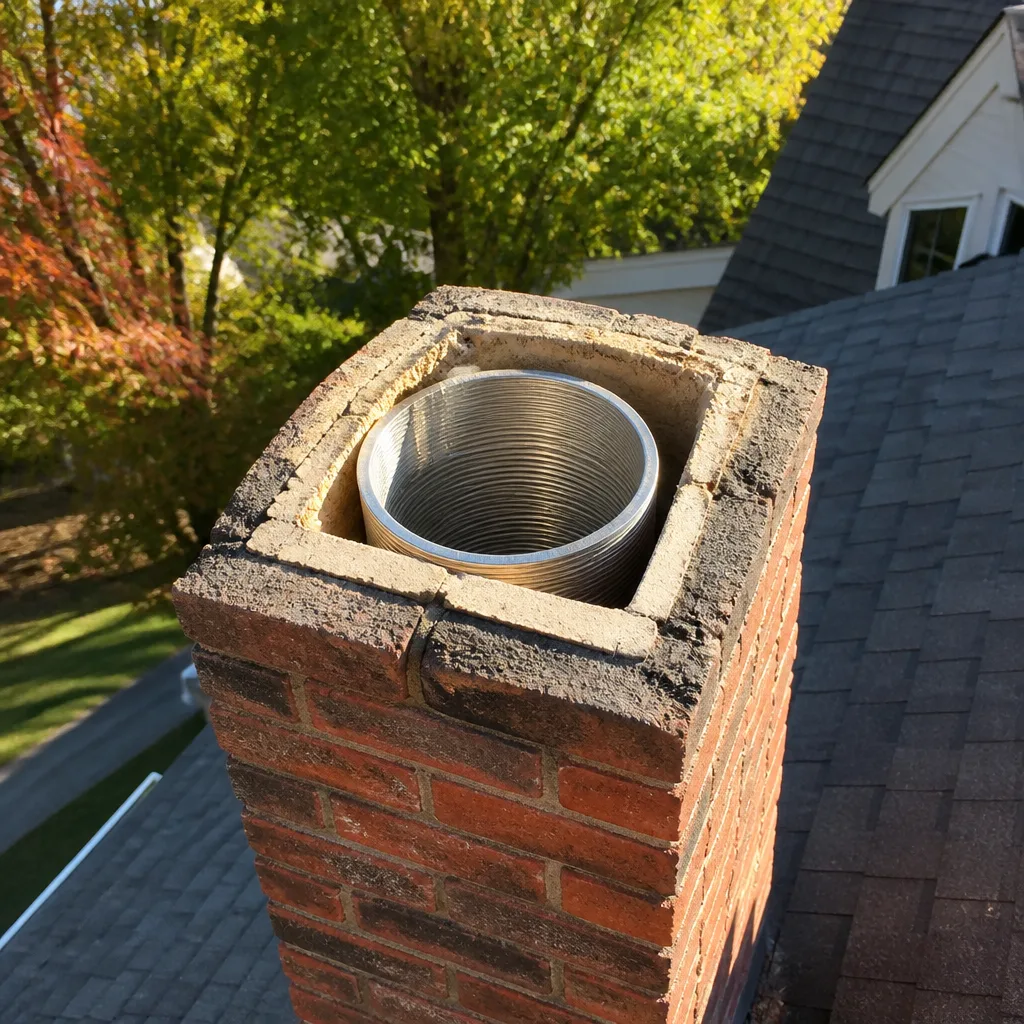 Flue relining
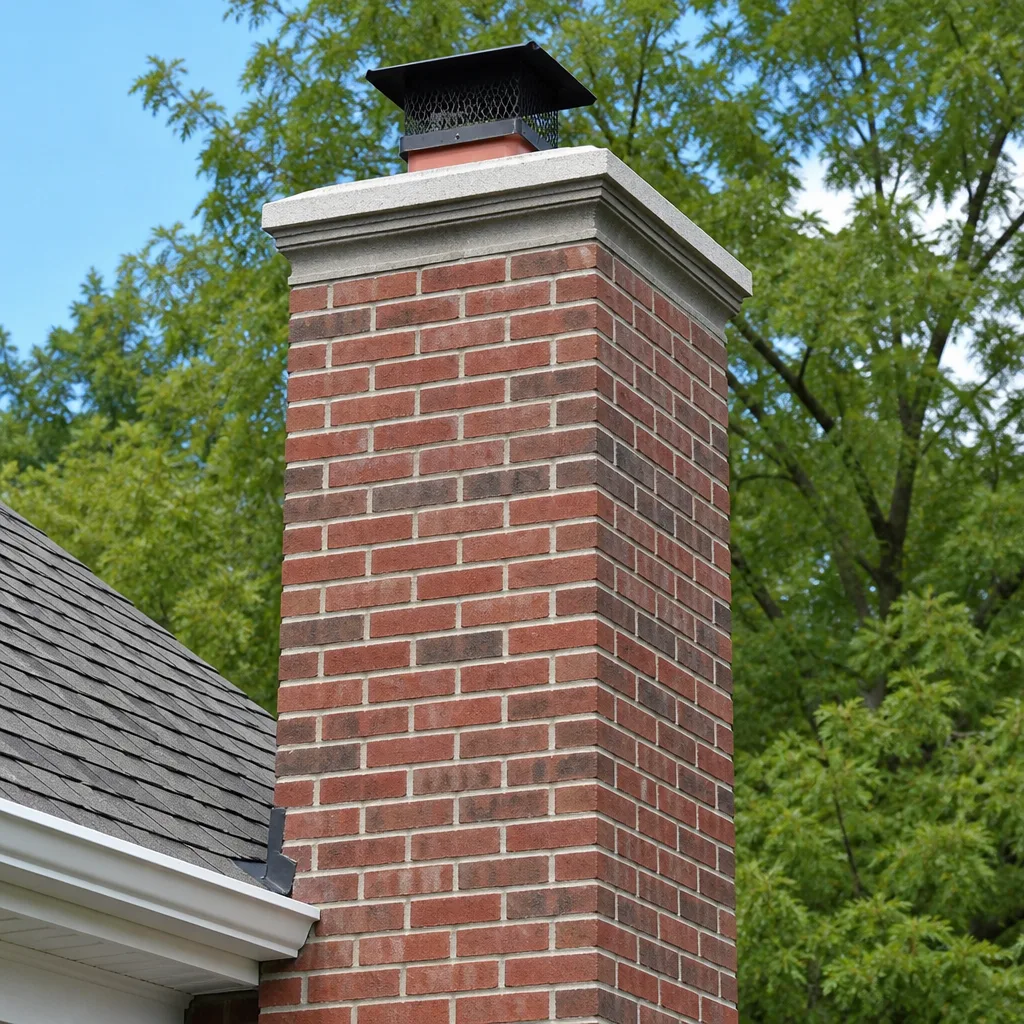 Masonry repair
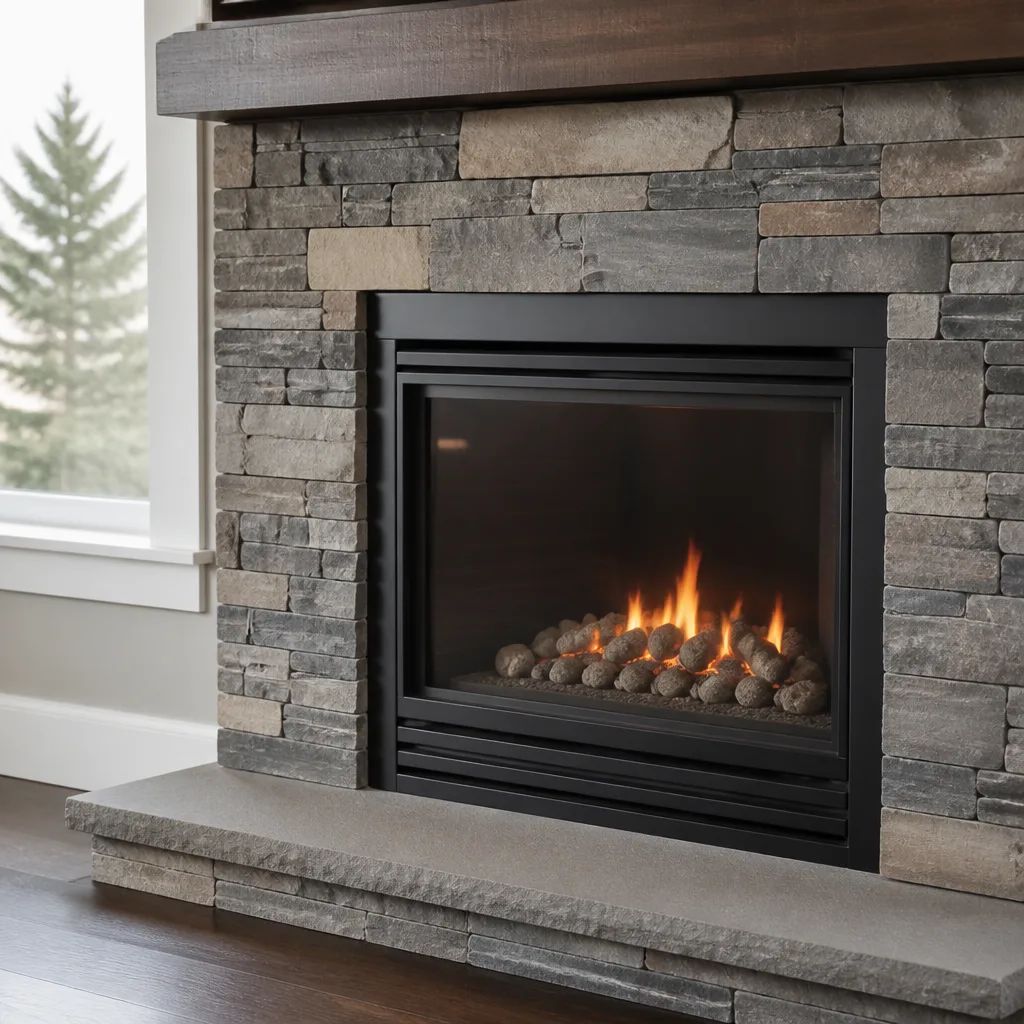 Gas fireplace service
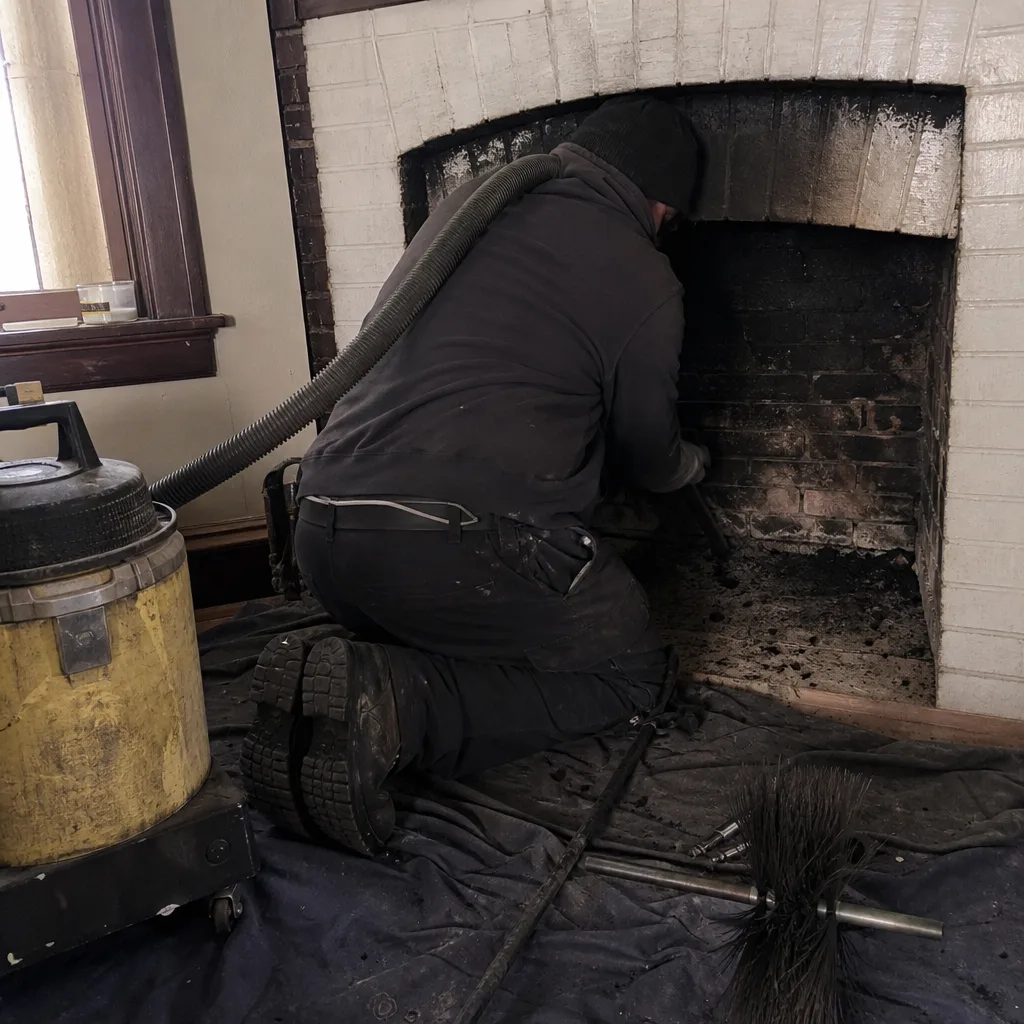
Level 1 sweep and inspection to the NFPA 211 annual standard - flue, crown, cap, and flashing checked and photographed
Chimney sweep logs do not sweep chimneys. They loosen some creosote - which then falls where a brush and vacuum still have to collect it.
Chimney Cleaning Emergency Preparedness Guide for West Town Homes
A chimney fire in a West Town row house or greystone isn’t only your emergency. Shared party walls mean heat transfer is a real risk to adjacent units, and the first sixty seconds of your response matter for everyone on your block, not just your own home. Most homeowners have never been told what a chimney fire actually sounds like from inside the house, which means they lose critical minutes trying to figure out whether the roaring noise coming from the flue is normal or the start of something serious. This guide gives you that information before you need it: how to recognize a chimney fire, what to do in the first minute, what to document afterward, and the pre-season steps that make an emergency far less likely in the first place.
Styles & brands we work with
Quick Answer
Chimney fire preparedness for West Town homeowners means knowing three things in advance: what a chimney fire sounds and looks like from inside your home, the exact sequence of actions to take in the first sixty seconds if one occurs, and the documentation you’ll need for insurance and repair afterward. A loud roaring sound from the flue that resembles a freight train or low-flying jet, dense smoke pushing from the chimney cap, and popping or crackling noises louder than normal fire sounds are the primary warning signs. Pre-season preparation, including an annual sweep and visual inspection of the flue, reduces chimney fire probability dramatically because the overwhelming majority of chimney fires are caused by creosote buildup that regular cleaning removes; for a full checklist, see our Chimney Sweep Maintenance Checklist for West Town Homeowners.
Table of Contents
- How to Recognize a Chimney Fire: Sounds, Sights, and Smells
- The First Sixty Seconds: A Step-by-Step Response Protocol
- Why West Town’s Multi-Unit Buildings Change the Emergency Protocol
- What to Document After a Chimney Fire Event
- Pre-Season Preparedness: What to Confirm at Your Annual Sweep
- Level 2 Inspections: What NFPA 211 Requires After a Fire
- Common Mistakes to Avoid
- When to Call a Professional
- Frequently Asked Questions
- The Bottom Line
How to Recognize a Chimney Fire: Sounds, Sights, and Smells
A chimney fire is often mistaken for a normal, active fire in the firebox. The reason is simple: most people have never heard one, so they have no reference point for the difference. A normal fire crackles softly. A chimney fire roars. The sound has been described by homeowners who have experienced it as a freight train passing through the living room, a low-flying jet overhead, or a deep rumble that you feel in your chest as much as you hear. If your fireplace suddenly gets loud, that is not the wood settling. That is combustion happening inside the flue where it was never meant to burn.
The visible signs are equally specific. Dense, dark smoke pushing from the chimney cap is a classic indicator, particularly if the smoke is thicker and darker than what your fire normally produces. Flames visible at the chimney top are an obvious red flag, though in West Town’s dense rooflines, you may not have a sightline to your own cap from inside the house. Inside the firebox, you might notice the fire suddenly burning more intensely than it should, almost as if it has a draft of its own. That’s because it does: a chimney fire creates its own draft, pulling air up the flue with force and feeding itself.
There is also a smell component. Homeowners sometimes report an acrid, hot-metal odor, or a smell they describe as “burning tar” even when the fireplace has been cold for hours. Creosote, the residue that builds up inside flues from incomplete wood combustion, smells like this when it ignites. If you smell something unusual coming from your chimney on a day when no fire is lit, take it seriously. In our experience serving West Town homes, we’ve seen cases where a smoldering creosote fire was caught early precisely because a homeowner noticed an odd smell and called for an inspection rather than dismissing it—learn the full range of warning signs in our Chimney Cleaning Warning Signs: A West Town Homeowner’s Reference Guide.
The reason recognition matters so urgently is that chimney fires burn fast and hot. Flue temperatures during an active chimney fire can exceed 2,000 degrees Fahrenheit. Masonry chimneys crack under that kind of thermal shock, and cracked flue tiles create pathways for the next fire to reach combustible framing. A chimney fire is never just an isolated event. It is a structural event that changes the safety profile of your entire chimney system until it is properly inspected and repaired.
The First Sixty Seconds: A Step-by-Step Response Protocol
What you do in the first minute of a chimney fire matters more than anything that happens afterward. Here is the sequence, in order, that every West Town homeowner should know before an emergency happens.
- Close the damper if you can do so safely. A fully open damper feeds a chimney fire with oxygen. Closing it starves the fire of one of its three required elements. Most dampers are controlled by a handle or lever near the firebox opening. If you can reach it without putting your hands near flames, close it immediately.
- Close the fireplace doors or glass screen. If your fireplace has glass doors, shut them. This further reduces air supply to the firebox and prevents embers from escaping into the room. Do not open the fireplace to add water or any other material to the fire. Water inside a hot flue can create steam expansion and make things worse, and some materials react violently with creosote fires.
- Call 911. This is not the time to wait and see. A chimney fire can spread to the structure of your home in minutes, and in West Town, where buildings share walls and rooflines are close together, time is the one resource you cannot afford to spend slowly. Tell the dispatcher plainly that you believe you have a chimney fire and give your exact address. Do not wait to see if it “calms down.”
- Evacuate everyone from the building. Get people and pets out. Do not stop to gather belongings. If you live in a multi-unit building, knock on adjacent unit doors on your way out if you can do so without delaying your own exit. Your neighbors need to know there is a fire event happening in the shared structure.
- Do not assume the fire has self-extinguished. Even if the roaring stops and the visible flames disappear, creosote fires can smolder inside the flue or behind masonry for hours. A fire that seems “out” is not an all-clear signal. Firefighters will check for extension into the structure using thermal imaging before declaring the scene safe. Stay out until professionals say it is safe to re-enter.
A note on when to monitor versus when to call: if you hear a brief, loud pop that stops immediately and you see no dense smoke, no roaring sound, and no unusual smell, you may be dealing with a small creosote flare rather than a full chimney fire. But if there is any doubt at all, call. The cost of a false alarm is a few minutes of a firefighter’s time. The cost of a missed chimney fire is unthinkable in a dense neighborhood like West Town.
Why West Town’s Multi-Unit Buildings Change the Emergency Protocol
West Town’s housing stock is unlike most of suburban Chicago. Greystones, brick row houses, and two- and three-flat buildings dominate the neighborhood, and that changes the math on chimney fire response in ways that are easy to overlook. When your chimney shares a wall with the unit next door, a chimney fire is not confined to your property line. Heat transfer through shared masonry can ignite materials on the other side of the wall even if your own unit remains structurally intact.
The first difference is notification. If you live in a multi-unit building, your emergency protocol does not end with your own evacuation. You need to alert adjacent units immediately, either by knocking on doors as you exit or by letting first responders know exactly which units share walls with your chimney. Firefighters cannot see through brick. They rely on residents to tell them where the fire started and which walls are shared. That information shapes how they attack the fire and where they check for extension.
The second difference is flue configuration. Many older West Town buildings have flues that were originally separate but have since been modified, partially blocked, or compromised by decades of exposure to Chicago freeze-thaw cycles. Some buildings have flues that were combined during renovations without proper documentation. If you are not certain whether your flue is truly independent from your neighbor’s, a chimney fire in your unit could be spreading heat into someone else’s flue system without any visible sign on your side. This is one reason a pre-season inspection matters so much in these older buildings: knowing your flue configuration before an emergency gives you accurate information to give to firefighters when seconds count, and understanding Chimney Cleaning Permits, Codes & Inspections in IL: What You Need to Know helps ensure you’re meeting all legal requirements.
The third difference is building management. Condo associations and rental property managers in West Town have a legal and practical obligation to maintain common chimney systems, but that does not mean they always act quickly. If you rent or own a condo, document every conversation you have with building management about chimney maintenance. Written records establish a timeline that matters for insurance purposes if a fire occurs and negligence is alleged. At minimum, know who is responsible for chimney maintenance in your building and confirm that scheduled cleanings are actually happening, not just written into the condo bylaws.
What to Document After a Chimney Fire Event
After the fire is out and everyone is safe, the documentation phase begins. What you capture in the first 24 to 48 hours determines how smoothly your insurance claim and repair process will move forward. In our experience, homeowners who document systematically get faster resolutions and face fewer disputes than those who try to reconstruct the timeline from memory weeks later.
Start with photographs. Take pictures of the firebox from multiple angles before anyone cleans or disturbs it. Photograph the chimney cap if you can safely access a sightline from the ground or a neighboring roof deck. Document any smoke staining on walls, ceilings, or the exterior brick around the chimney. These images become the baseline evidence for your insurance adjuster and for any contractor who evaluates the damage afterward. Do not let well-meaning friends or family “clean up” before you have documented the scene.
Contact your insurance carrier the same day if possible. Describe the event accurately but stick to facts: what you heard, what you saw, what actions you took. Do not speculate about cause in a way that could be recorded and later used to limit coverage. Your job is to report the event, not to diagnose it. Let the professionals who come afterward determine cause through proper inspection.
Finally, schedule a Level 2 inspection before anyone performs repair work. NFPA 211, the national standard for chimney systems, mandates a Level 2 inspection after any chimney fire, regardless of how minor the fire appeared. A Level 2 inspection includes everything in a Level 1 inspection plus access to attics, crawl spaces, and basements to check for fire extension, plus video scanning of the flue interior. No reputable chimney contractor will perform repairs after a fire without this inspection first. Anyone who skips it is not following the standard, and their work will not satisfy your insurance carrier’s documentation requirements.
Pre-Season Preparedness: What to Confirm at Your Annual Sweep
The most effective emergency preparedness is prevention. An annual chimney sweep removes the creosote that fuels chimney fires, but a good sweep does more than clean. It should also include a visual inspection that identifies risks before they become emergencies. Here are the specific things to confirm at your annual sweep that directly correlate with chimney fire risk.
The obvious one is creosote volume. Creosote forms when wood smoke condenses on the flue walls, and it can accumulate faster than many homeowners realize. A quarter inch of creosote is enough to sustain a chimney fire. Your sweep should tell you how much creosote was found, where it was concentrated, and whether the accumulation rate suggests a change in burning habits or wood quality. Wet wood, restricted airflow, and low-temperature fires all accelerate creosote buildup. If you are burning unseasoned wood in a West Town fireplace, you are creating the conditions for a chimney fire even if you sweep annually.
Confirm that the flue liner is intact. Older masonry chimneys in West Town were often built with clay tile liners, and clay tiles crack over time due to thermal stress and Chicago freeze-thaw cycles. Cracked tiles allow heat and gases to reach the brick and mortar surrounding the flue, which is exactly how chimney fires spread into the structure. If your sweep finds cracked tiles, a repair option like HeatShield ceramic flue resurfacing can restore the liner without full demolition. Professional trade brands like DuraFlex and Copperfield also manufacture liner systems that bring older chimneys up to current safety standards when a full reline is necessary.
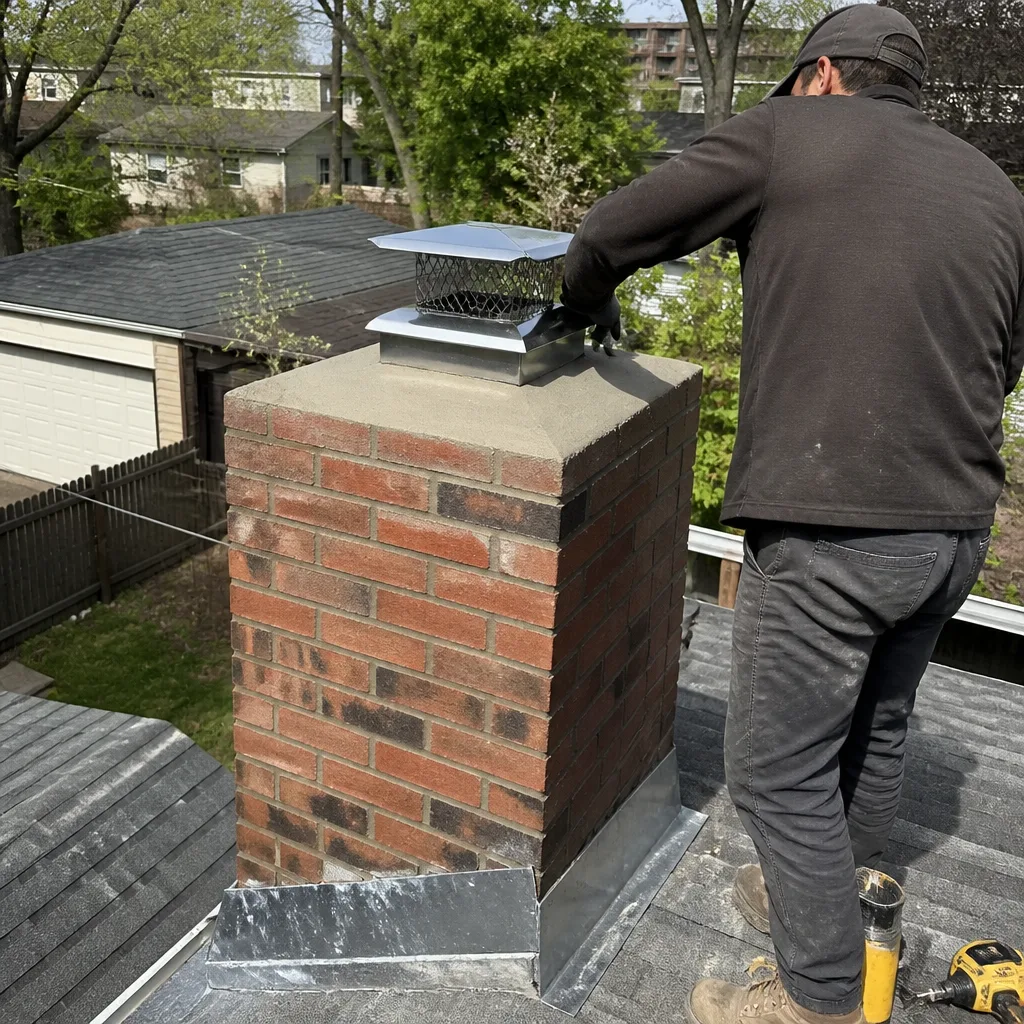
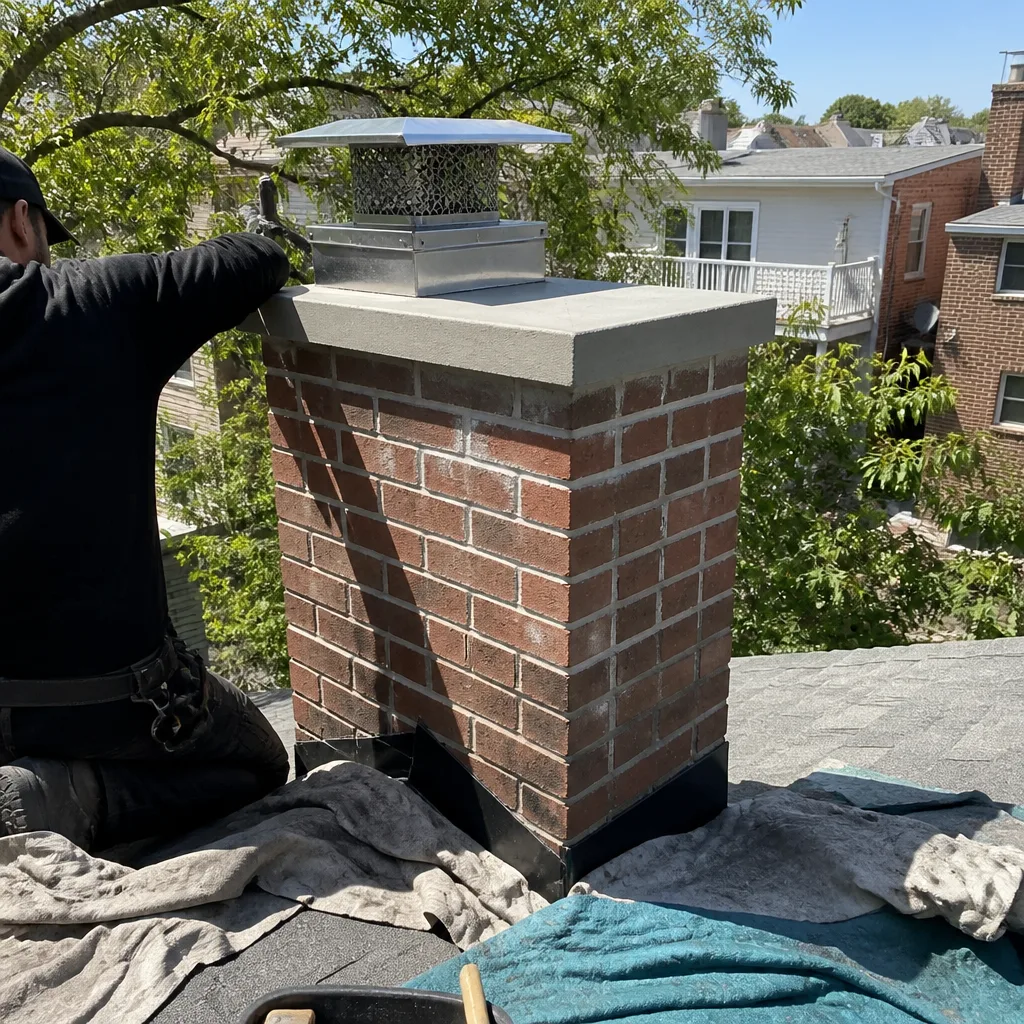
Ask about the chimney cap. A missing or damaged cap allows rain, snow, and debris into the flue, and it also lets animals in. Water in the flue mixes with creosote and creates acidic conditions that deteriorate mortar and brick. A blocked or deteriorated cap is a common contributor to chimney problems in West Town because the neighborhood’s mature tree canopy produces constant debris that finds its way into uncapped flues. Your sweep should verify the cap is intact and properly secured.
Finally, discuss what you are burning. The firewood you use determines what accumulates in your flue. Burn seasoned hardwood with moisture content below 20 percent. Green wood smolders at low temperatures, producing more creosote per log than properly dried wood. If you are buying wood by the face cord in West Town, ask the supplier how long the wood has been seasoned and whether it has been stored dry.
Level 2 Inspections: What NFPA 211 Requires After a Fire
Understanding the inspection levels helps West Town homeowners know what to expect after a chimney fire. NFPA 211 defines three levels of chimney inspection. Level 1 is the standard inspection performed during a routine annual sweep. It covers the readily accessible portions of the chimney interior and exterior and verifies basic soundness. Level 2 goes further: it includes all Level 1 elements plus inspection of accessible attics, basements, and crawl spaces, and it requires video scanning of the flue interior. Level 3 goes further still, involving removal of building components to access concealed areas.
After any chimney fire, NFPA 211 mandates a Level 2 inspection at minimum. The standard recognizes that a chimney fire changes the structural integrity of the flue even when visible damage is not apparent. Thermal shock can crack mortar joints, shift firebricks, and compromise the bond between flue tiles and surrounding masonry without leaving a visible trace on the firebox floor. A Level 1 inspection would miss this damage. A Level 2 inspection with video scanning catches it.
The video component is important because it gives you something you have probably never had before: a visual record of the interior of your flue. As a homeowner, you cannot see inside your chimney. A video scan shows you exactly what the inspector sees, which means you can make repair decisions based on evidence rather than someone else’s verbal description. If a contractor tells you a liner needs to be replaced, ask to see the footage. A professional chimney company will have no problem showing you exactly where the damage is and explaining why a particular repair approach is the right one.
For West Town condominium owners and apartment dwellers, note that your insurer may require Level 2 inspection documentation before processing a claim related to a chimney fire. This is standard industry practice, not an unusual request. Schedule the inspection promptly after a fire event, and make sure the inspection report clearly states that it was performed according to NFPA 211 Level 2 standards.
Common Mistakes to Avoid
- Assuming a loud fire is normal. A properly functioning fireplace does not roar. If the sound level from your fireplace suddenly increases dramatically, treat it as a possible chimney fire until proven otherwise. The minutes you save by recognizing this early are the minutes that determine how much damage your home sustains.
- Closing the damper after the fire is already raging. Closing the damper is the correct first step, but reaching into a firebox with an active chimney fire to do it can put your hands and face directly in harm’s path. Close it only if you can do so safely from outside the firebox. Your safety comes first.
- Skipping the post-fire Level 2 inspection. Some homeowners think a small chimney fire is no big deal if the fire “burned itself out.” That assumption leads to the second fire, which is often much worse because the first one already damaged the flue. NFPA 211 exists precisely because this scenario is common.
- Relying on a handyman or generalist for post-fire repair. Chimney systems are specialized, and post-fire repair requires knowledge of NFPA standards, flue dynamics, and proper repair materials. A general contractor who “does chimneys too” is not the same as a chimney specialist who works with trade-grade materials from brands like DuraFlex, HeatShield, Famco, and Copperfield.
- Burning the wrong wood to save money. Unseasoned or soft wood creates more creosote per fire than properly dried hardwood. The money you save on cheap firewood gets spent on more frequent cleanings, and in the meantime, your flue is accumulating fuel for a chimney fire.
- Not tracking chimney maintenance history. When you sell a West Town home, buyers and inspectors ask about chimney maintenance. When you file an insurance claim, adjusters ask about it too. Keep receipts and records from every sweep and repair. Documentation is not just paperwork; it is the evidence that protects you when something goes wrong.
When to Call a Professional
Call a chimney professional whenever you have reason to believe your chimney system has been compromised. That includes after any chimney fire event, of course, but also after noticing strong creosote odors, visible smoke entering your living space during normal use, crumbling mortar on the exterior chimney, water staining near the firebox, or drafts coming from the fireplace when it is not in use. These are not quirks of an old house. They are symptoms of a system that needs attention before it becomes an emergency. If you are in West Town and need a professional assessment, our team at Brightway Chimney Sweep in West Town offers free estimates. Call (833) 365-6591 to schedule.
Frequently Asked Questions
A standard chimney sweep in West Town typically ranges from $150 to $300 for a single flue with a standard fireplace, depending on the level of creosote buildup, flue configuration, and whether any obstructions are present. Homes with multiple flues, hard-to-access roofs common in older greystone buildings, or heavy creosote accumulation may run higher. The best way to get an exact number is to call (833) 365-6591 for a free estimate based on your specific chimney system.
The National Fire Protection Association recommends an annual inspection and sweeping whenever creosote buildup reaches one-eighth of an inch, which for most wood-burning fireplaces means once per year under normal use. Gas fireplaces accumulate less creosote but still need annual inspection for venting integrity, blockages, and carbon monoxide risk. If you burn more than two cords of wood per season, consider a mid-season check as well.
Creosote accumulates inside the flue until it reaches a thickness that can ignite and sustain a chimney fire. Even without a fire event, accumulated creosote restricts airflow, which causes smoke to back up into your living space and reduces overall fireplace efficiency. In West Town buildings with shared flues or older masonry, skipped cleanings compound existing structural risks. A chimney fire that could have been prevented by a $200 sweep can cause tens of thousands of dollars in structural damage.
It depends on the type and extent of the damage. Cracked clay tiles can often be restored using the HeatShield ceramic flue resurfacing system, which seals cracks and restores the flue interior without full liner replacement. More extensive damage may require a full reline with a professional system like a DuraFlex flexible liner. A Level 2 video inspection shows you exactly what is happening inside your flue so you can see the evidence behind any repair recommendation rather than taking someone’s word for it. Call (833) 365-6591 to discuss your situation.
Homeowner’s insurance policies generally cover chimney fire damage as a fire loss, but coverage depends on the specifics of your policy and the documentation you provide. Your insurance carrier will want to see the post-fire Level 2 inspection report, photographs, and a repair estimate from a qualified chimney professional. Delaying inspection or failing to document the damage properly can complicate the claim. Contact your carrier the same day as the event and keep records of every conversation.
Yes, a properly performed chimney sweep leaves the system ready for use immediately since the cleaning removes creosote and debris without introducing any drying or curing time. Some homeowners notice a faint creosote odor for a few hours after cleaning, which is normal. If you had repairs performed rather than just a cleaning, follow the specific instructions from your chimney professional about curing time and usage restrictions.
The Bottom Line
Chimney fire preparedness for West Town homeowners comes down to knowing what a chimney fire sounds like, acting decisively in the first sixty seconds, and documenting thoroughly afterward. The specific sounds and smells of a chimney fire are recognizable once you know what to listen for, and the correct response sequence is straightforward: close the damper if safe, call 911, evacuate, and never assume the fire is out until professionals confirm it. In a neighborhood of shared walls and dense housing, that preparation protects more than your own unit. Pre-season sweeps, attention to what you burn, and prompt professional response after any fire event are the practical steps that keep a West Town fireplace a source of warmth rather than a source of risk. For more guides & resources, visit our blog.
Written by the team at Brightway Chimney Sweep, serving West Town since 2016. For more information on dryer vent cleaning in West Town or chimney repair in West Town, call (833) 365-6591 for a free estimate.
See the difference
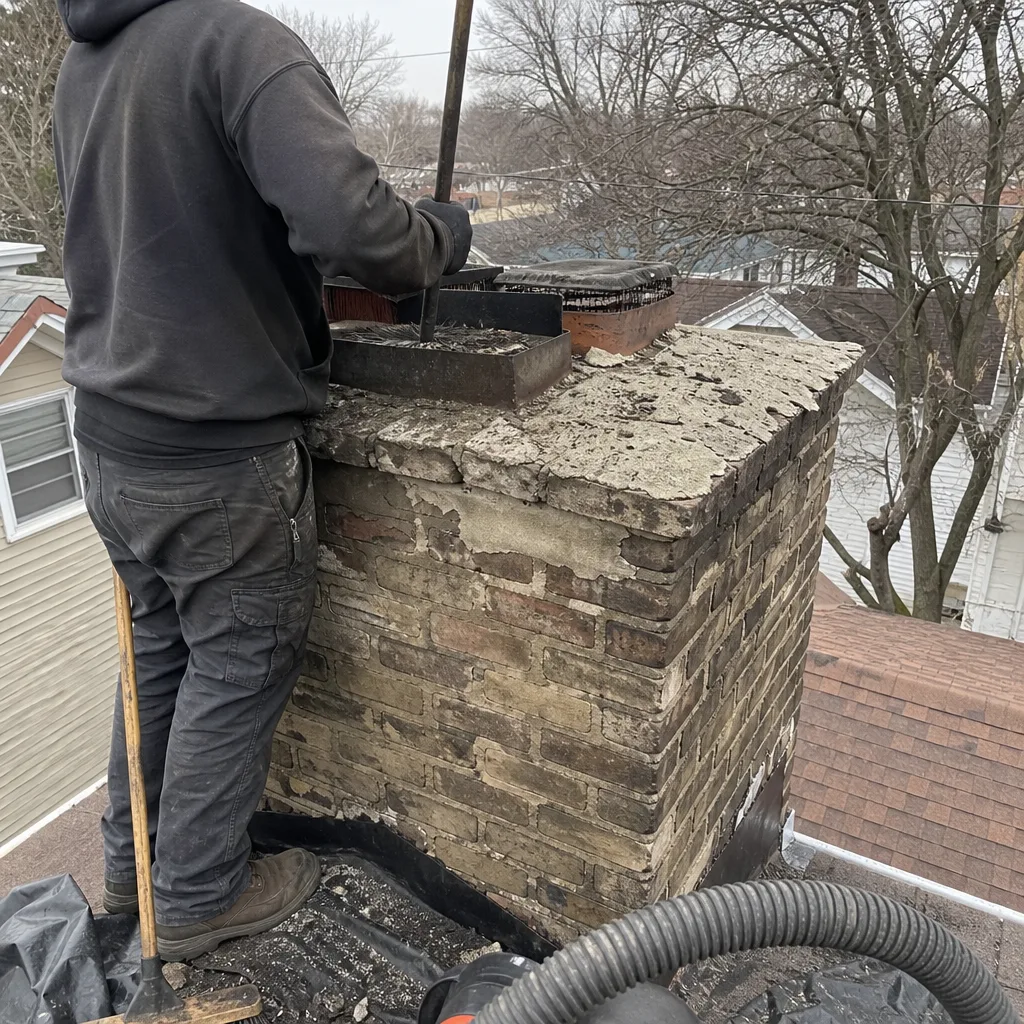 Before
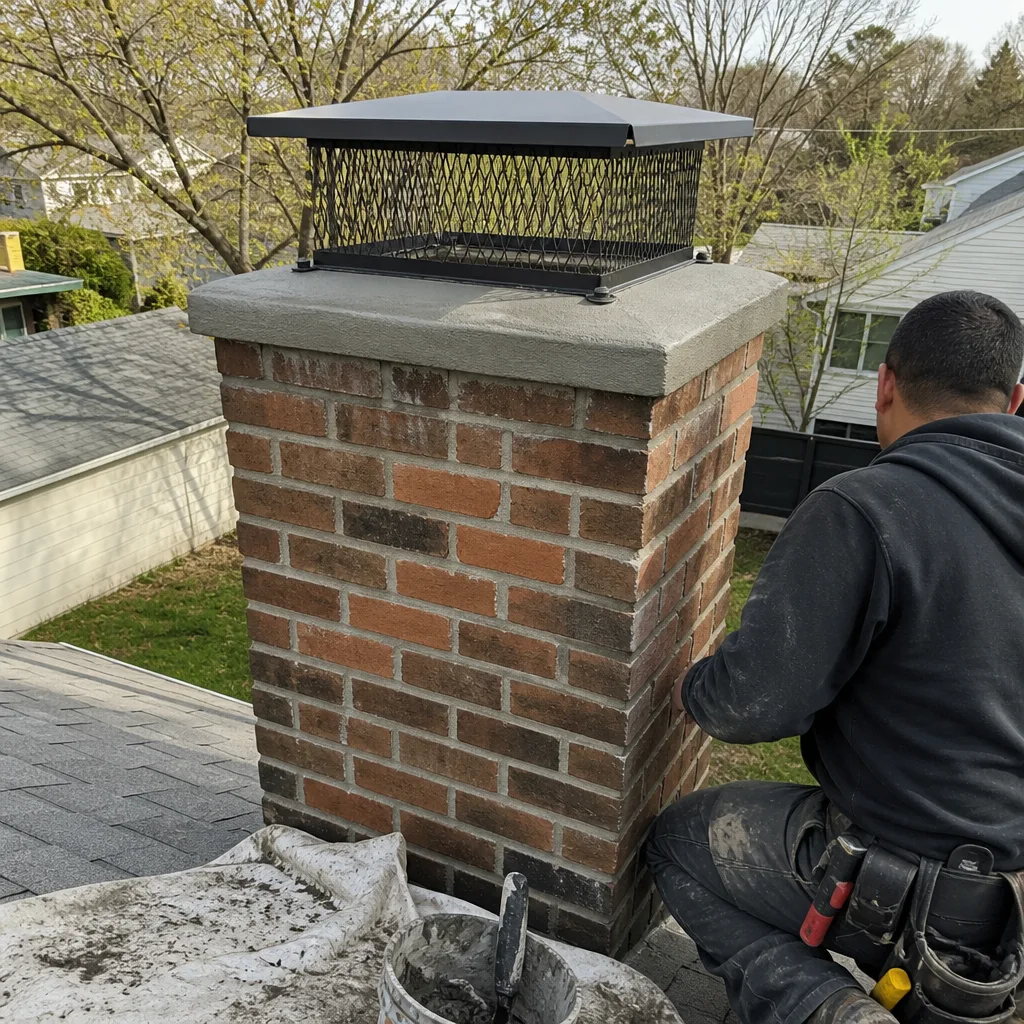 After
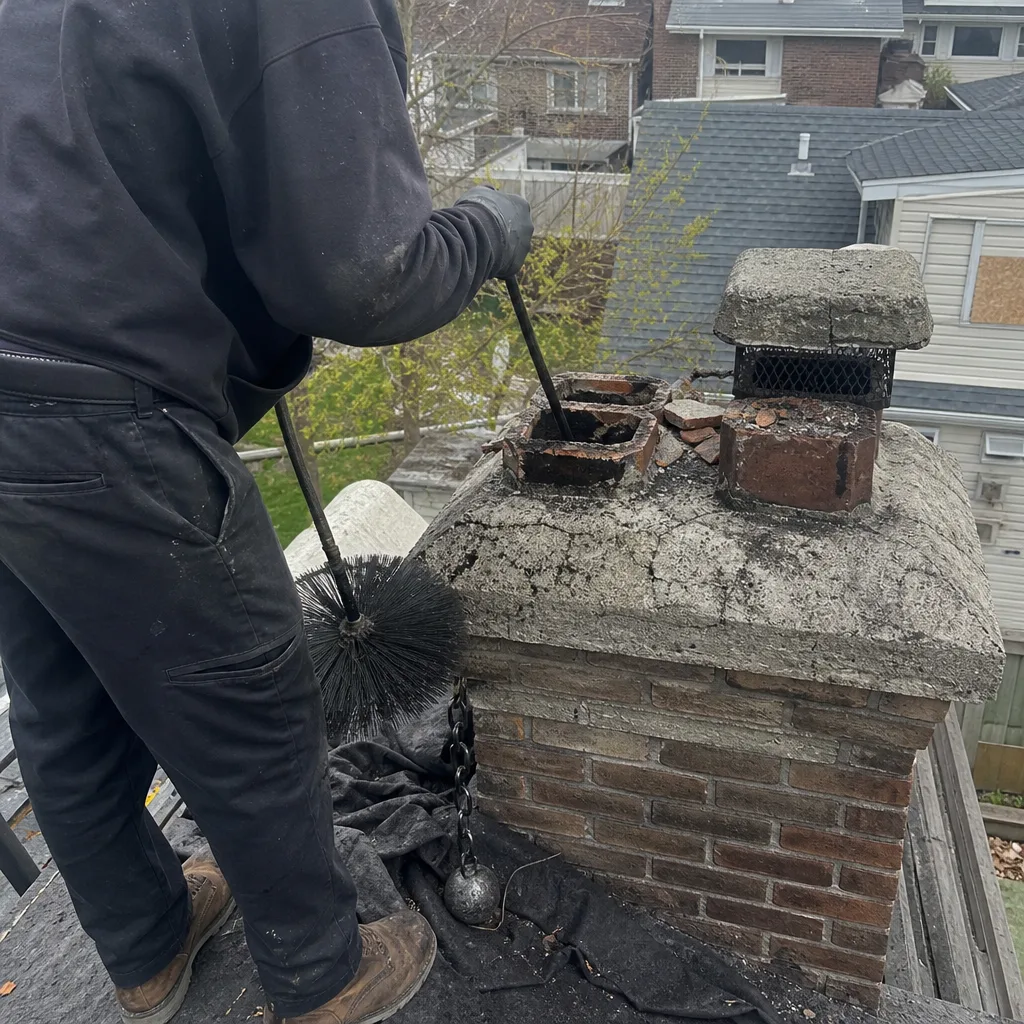 Before
 After
 Before
 After