Last updated October 31, 2026
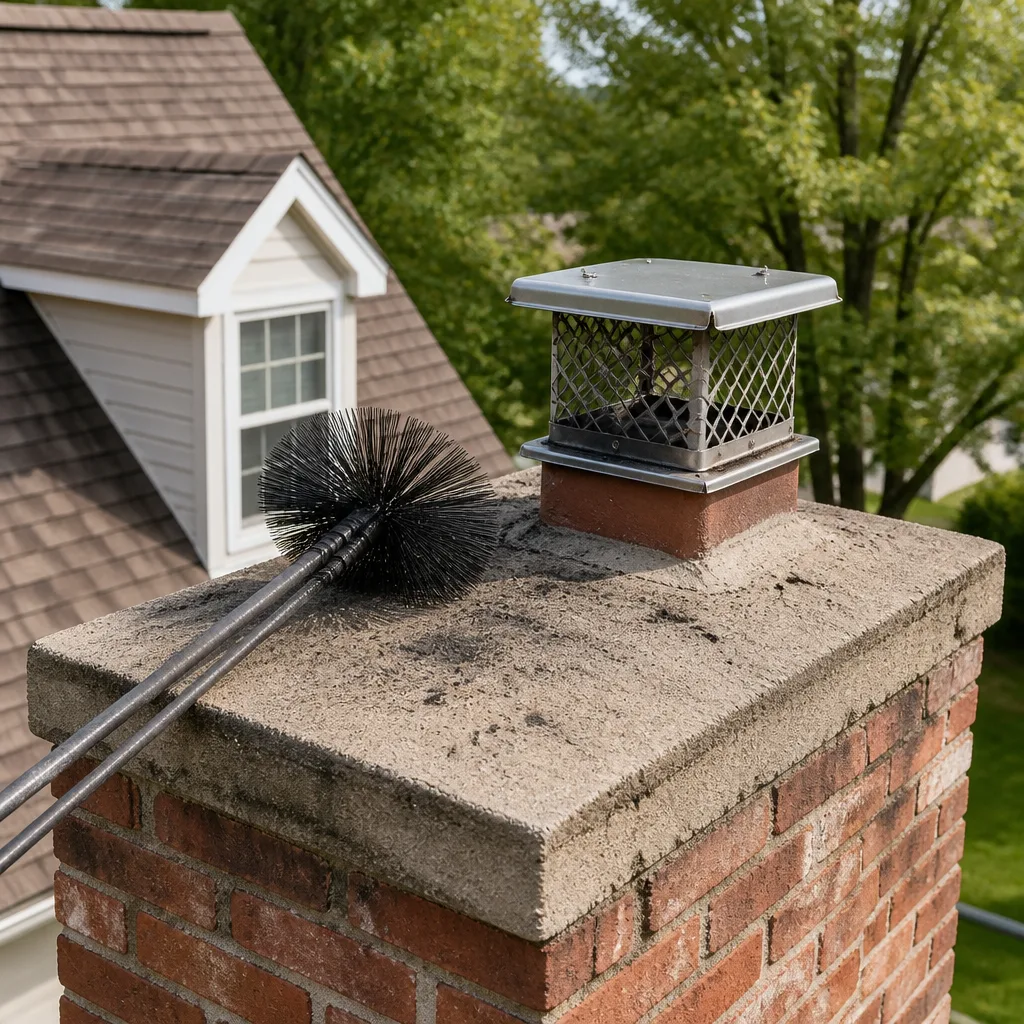 Sweep & inspection
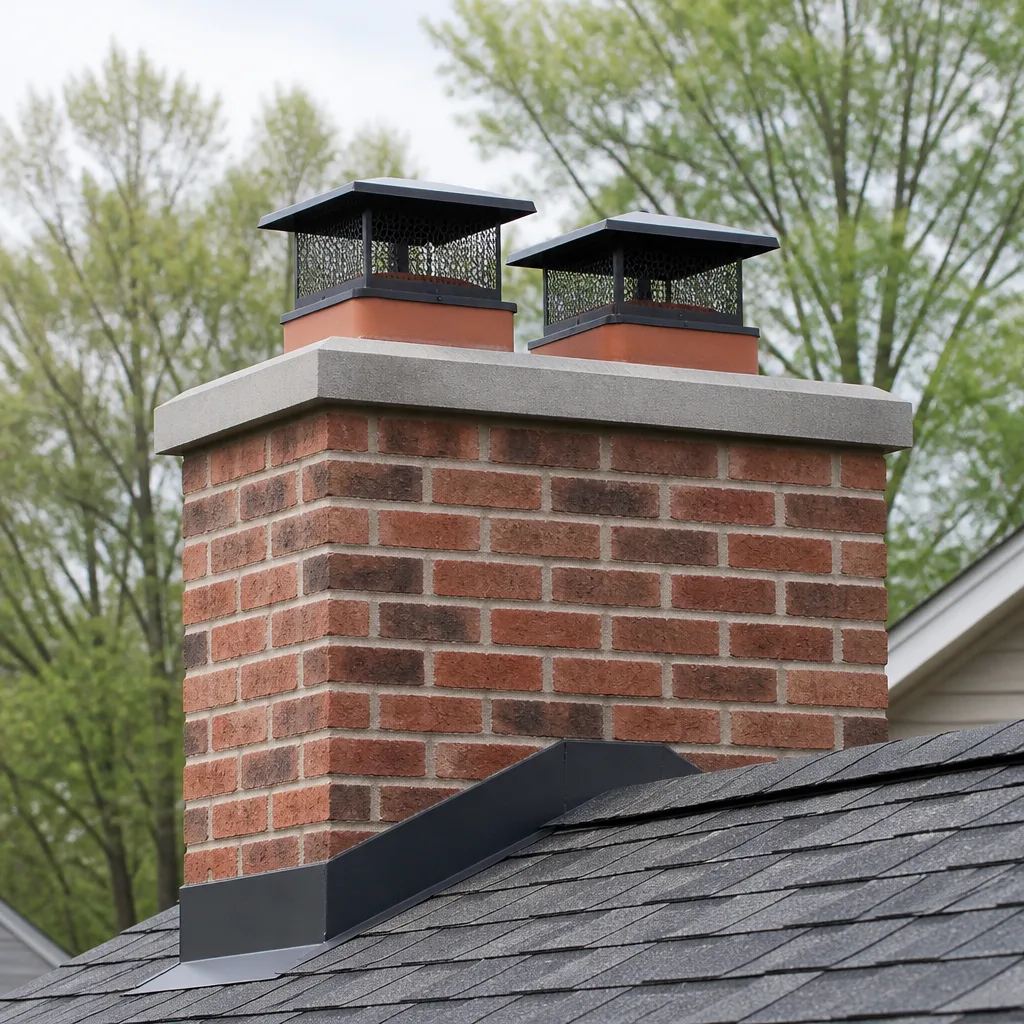 Caps & crowns
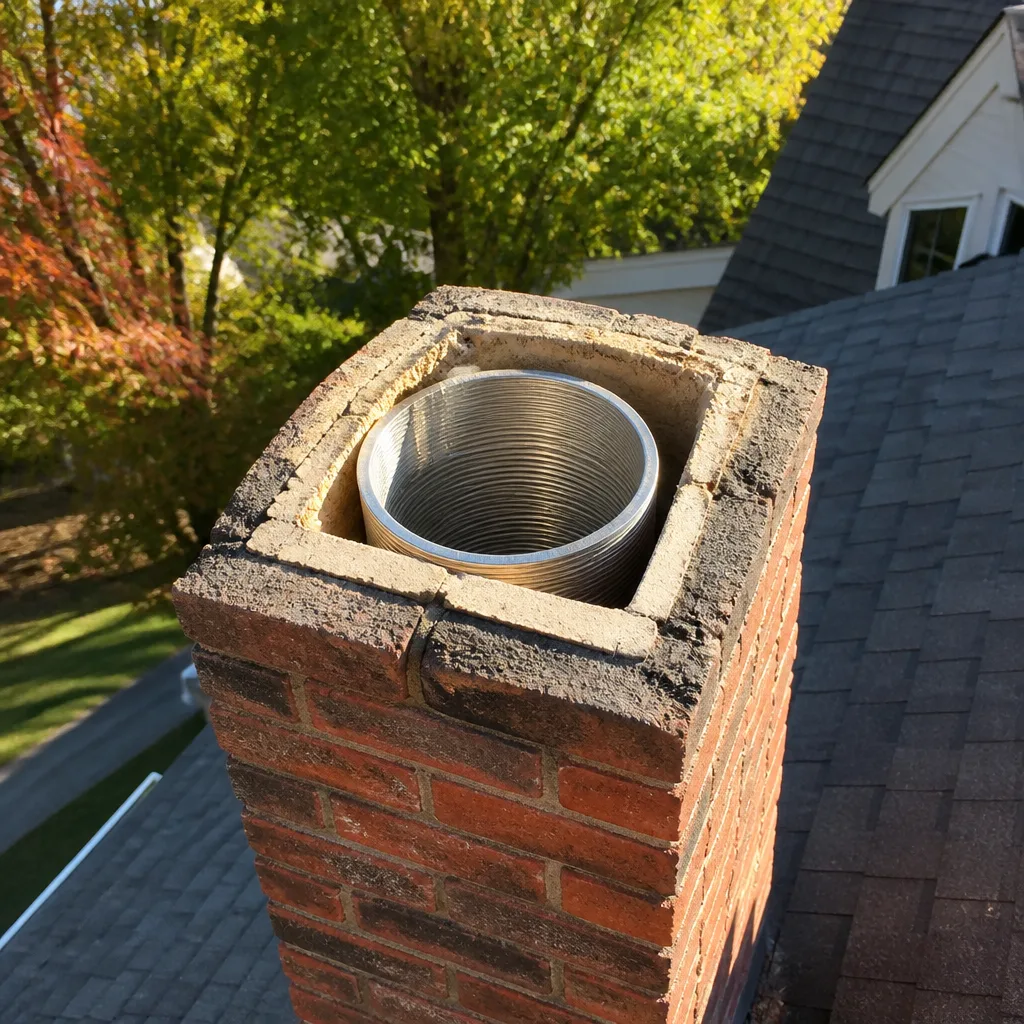 Flue relining
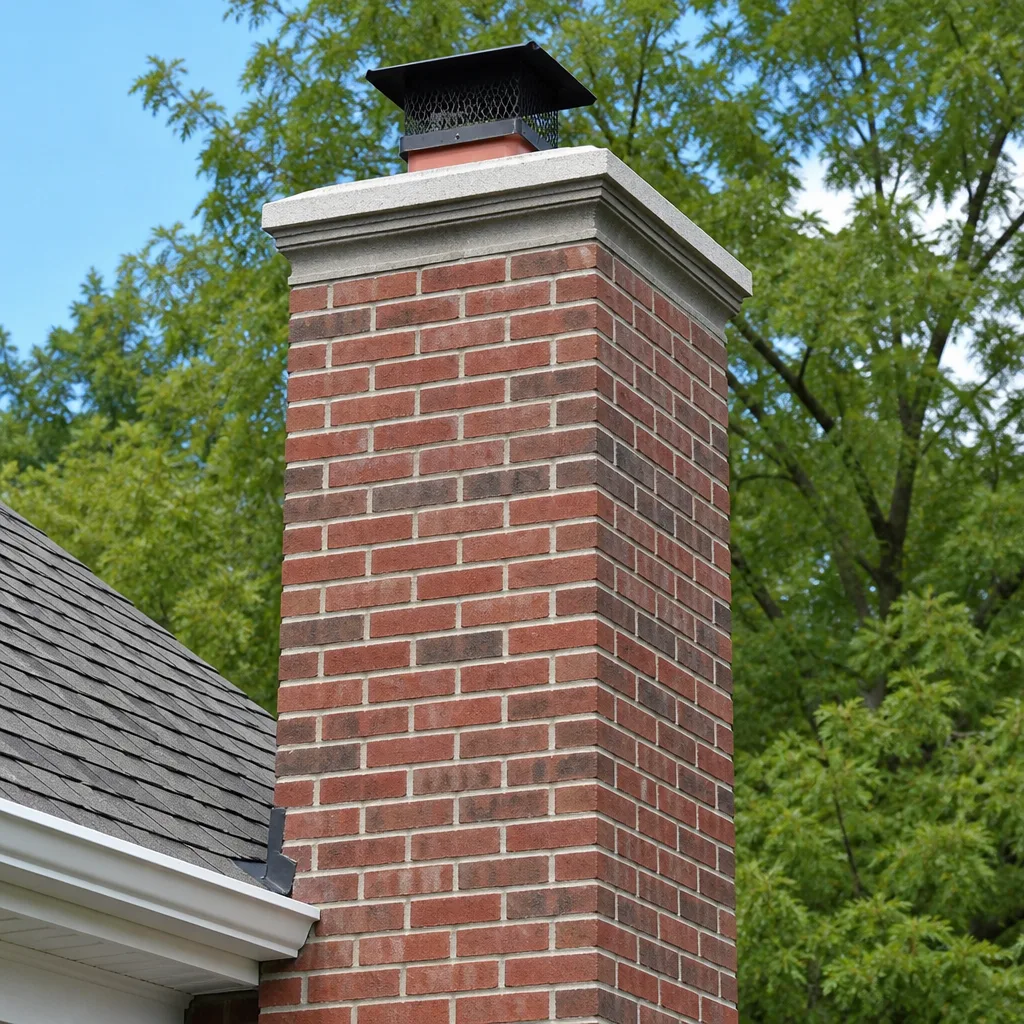 Masonry repair
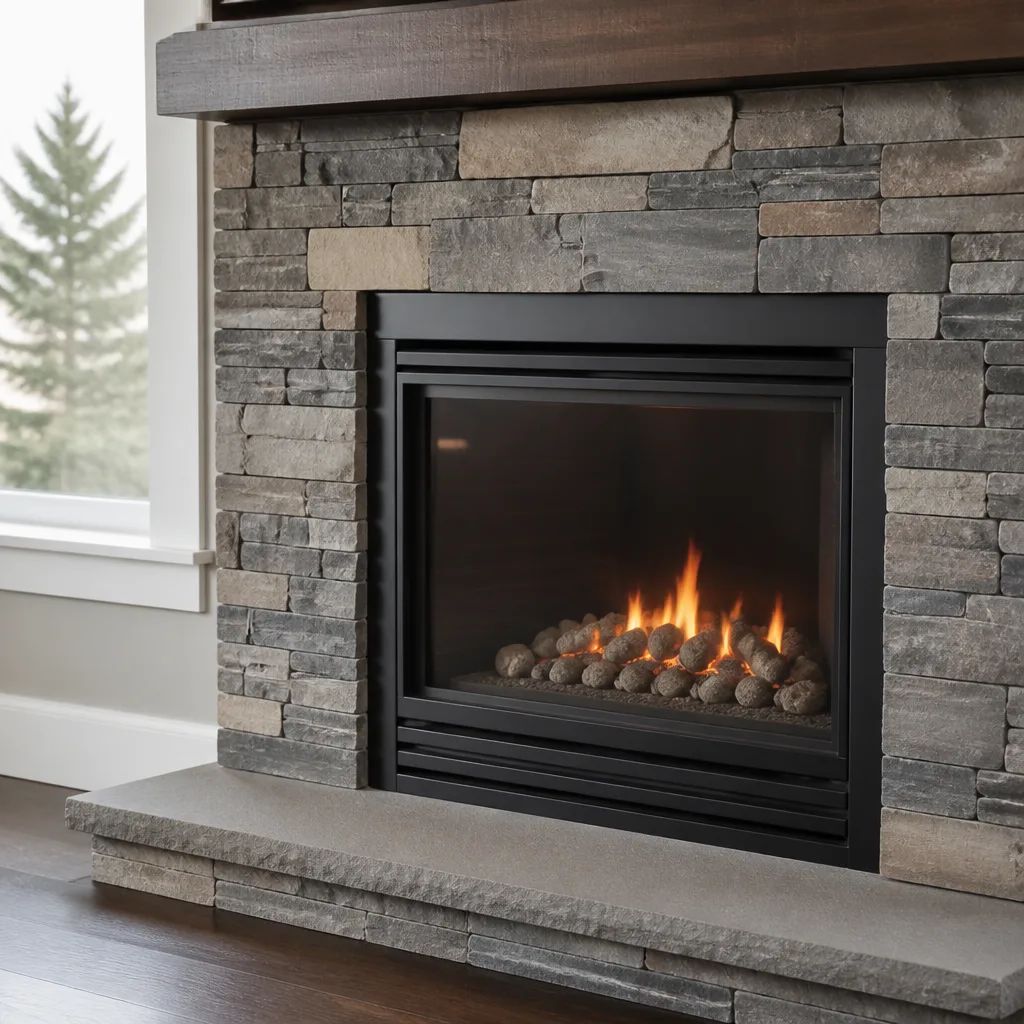 Gas fireplace service
Level 1 sweep and inspection to the NFPA 211 annual standard - flue, crown, cap, and flashing checked and photographed
Chimney sweep logs do not sweep chimneys. They loosen some creosote - which then falls where a brush and vacuum still have to collect it.
Chimney Cleaning Cost Breakdown: The West Town Homeowner’s Reference for 2026
The $99 chimney cleaning coupon that shows up in local mailers typically covers a visual sweep of a single, straight flue with no inspection documentation. That’s fine for a straightforward situation, but it’s meaningless if your West Town greystone has an offset flue, an aging liner, or a history of heavy use. This guide—along with our Chimney Cleaning Warning Signs: A West Town Homeowner’s Reference Guide—breaks down what you should actually expect to pay for a chimney sweep in West Town in 2026, line item by line item, including the inspection costs and repair discoveries most online estimates conveniently leave out.
Quick Answer
A standard chimney sweep in West Town for 2026 runs between $225 and $400 for a single flue with a Level 1 inspection included. Add a camera inspection and you’re looking at $350 to $550 total. If the inspection uncovers liner damage, cracked mortar joints, or smoke chamber deterioration, repair costs start around $400 for minor repointing and climb to $2,500 to $4,500 for a full liner replacement.
Styles & brands we work with
Table of Contents
- Why Online Estimates Miss the Mark
- The Real Line-Item Costs for 2026
- What Drives Cost Variation Besides Contractor Markup
- How West Town’s Housing Stock Affects Pricing
- Repair Costs That Follow Inspections
- How to Evaluate a Significantly Lower Quote
- The Cost of Doing Nothing: A Concrete Breakdown
- Common Mistakes to Avoid
- When to Call a Professional
- Frequently Asked Questions
Why Online Estimates Miss the Mark
Most chimney cleaning cost articles you’ll find online were written by content mills using national averages pulled from a spreadsheet. They don’t know what a Chicago common brick chimney looks like after 30 winters of freeze-thaw cycles. They don’t account for the fact that West Town’s housing stock skews heavily toward buildings constructed between 1880 and 1930, when masons built chimneys with terracotta tile liners and lime-based mortar that behaves differently than modern materials.
The national average sweep price you’ll see quoted ($167 to $260, depending on the source) assumes a few things that often don’t hold true in West Town:
- The flue is straight with no offsets. Many older West Town chimneys have offset flues that route around structural beams, adding time and tooling requirements.
- Creosote buildup is Stage 1 (light, dusty soot) rather than Stage 2 (flaky, shiny) or Stage 3 (glazed, tar-like). Stage 3 removal requires rotary equipment and chemical treatments that a basic brush can’t touch.
- The chimney cap and crown are intact, the damper works, and the firebox doesn’t need attention. In our experience, roughly half of the chimneys we inspect in West Town need at least one of these addressed.
- The homeowner knows when the chimney was last swept. Most don’t, because the previous owner didn’t leave records.
So when a homeowner books a $99 sweep based on an online estimate and then gets a $600 invoice because the flue had Stage 3 creosote and the cap disintegrated in our hands, it feels like a bait-and-switch. It isn’t. It’s the difference between an estimate written for a generic house in a suburb with a 1990s chimney and the reality of a 120-year-old chimney in West Town.
The Real Line-Item Costs for 2026
Here’s what we tell West Town homeowners to budget for in 2026. These ranges reflect what a certified chimney specialist charges, not a generalist handyman who owns a brush kit from a hardware store.
Standard chimney sweep (single flue, Stage 1 or light Stage 2 creosote): $225 to $400. This includes full interior cleaning with professional brushes sized to the flue, drop cloths and a HEPA vacuum to contain dust, and a Level 1 inspection of the accessible portions of the chimney. In West Town, you’ll likely pay toward the higher end of this range because of the age of the housing stock and the access challenges it creates.
Level 1 inspection (included with a standard sweep): $0 to $75 if booked separately. A Level 1 inspection is visual only, covering the readily accessible portions of the chimney interior and exterior. It’s the minimum standard and it will catch obvious problems like missing caps, cracked crowns, and severe creosote accumulation. It will not catch hairline cracks in the flue liner or damage inside the smoke chamber.
Level 2 inspection: $150 to $350. A Level 2 inspection uses a camera to examine the entire flue interior, including areas a Level 1 inspection can’t see. This is the standard we recommend for any West Town homeowner who has just purchased the property, hasn’t had the chimney inspected in three or more years, or has experienced a chimney fire, lightning strike, or structural event. If you’re buying a greystone or vintage brick building in West Town, a Level 2 inspection should be non-negotiable before you close—see our Chimney Cleaning Emergency Preparedness Guide for West Town Homes for why.
Camera inspection add-on: $100 to $200. If you booked a standard sweep and the technician recommends a camera inspection mid-visit because they found something concerning, this is the add-on cost you’re looking at. At Brightway Chimney Sweep home, we always provide photo or video documentation so you can see exactly what we’re seeing, not just take our word for it.
Standard sweep plus Level 2 camera inspection bundle: $350 to $550. This is the most common package we recommend, and it represents the realistic all-in cost for a properly maintained West Town chimney that doesn’t need repairs.
Here’s the line-item breakdown in table form for quick reference:
| Service | 2026 Price Range | What’s Included |
|---|---|---|
| Standard sweep, single flue | $225 – $400 | Interior cleaning, Level 1 inspection, dust containment |
| Level 2 inspection (standalone) | $150 – $350 | Camera scan of full flue, documented report |
| Camera add-on to a sweep | $100 – $200 | Flue camera scan during existing visit |
| Sweep + Level 2 bundle | $350 – $550 | Full clean plus camera inspection plus report |
| Additional flue (per flue) | $75 – $150 | Each additional flue beyond the first |
| Stage 3 creosote removal | $100 – $250 surcharge | Rotary equipment, chemical treatment, extra time |
| Chimney cap replacement | $150 – $400 | Includes cap, hardware, installation |
| Crown repair (minor) | $200 – $600 | Crack filling and sealing |
| Repointing (spot repair) | $400 – $1,200 | Mortar joint replacement on limited sections |
| Smoke chamber parging | $800 – $1,800 | Resurfacing of smoke chamber walls |
| Full liner replacement (DuraFlex) | $2,500 – $4,500 | Includes removal of damaged liner, installation of new flexible liner |
| HeatShield cerfied relining | $1,500 – $3,500 | Ceramic flue resurfacing, no demolition |
These are the numbers we quote in West Town, and they assume a professional contractor using trade-grade materials. If you’re getting quotes significantly above or below these ranges, the next two sections will help you understand why.
What Drives Cost Variation Besides Contractor Markup
Every chimney is a custom-built masonry structure. Two identical-looking greystones on the same West Town block can have chimneys that are wildly different to service, and the reasons have nothing to do with the contractor padding the bill.
Flue height
A chimney on a two-story greystone with an attic will have a longer flue than a chimney on a single-story worker’s cottage. A longer flue means more brushing time, more equipment setup, and more careful ladder work or roof access. It’s simply more work.
Number of flues
Many West Town buildings have two or even three flues: one for the main fireplace, one for a kitchen stove, one for a basement furnace. Each flue is a separate cleaning. Many older homes had their secondary flues sealed off decades ago, but if yours are active, they add $75 to $150 per flue.
Degree of creosote buildup
Creosote forms in stages. Stage 1 is loose, dusty, and brushes off easily. Stage 2 is flaky and shiny, needs more aggressive brushing, and often requires an additional pass or two. Stage 3 is glazed and tar-like, and a standard brush will skip right over it. Removing Stage 3 creosote requires rotary equipment with chains or a chemical treatment that softens the glaze before it can be scraped off. It adds $100 to $250 to the sweep cost and takes significantly longer.
A homeowner who burns green wood, runs regular fires with the damper closed, or has a stove with a slow burn will build Stage 3 creosote faster than a homeowner who burns dry hardwood and gets annual cleanings. In West Town, where many homeowners supplement their heating with wood-burning fireplaces, Stage 3 buildup is more common than in the suburbs.
Access difficulty
Roof pitch, roof material, and chimney location all affect access. A chimney on the peak of a steeply pitched slate roof is more difficult and dangerous to access than one on a shallow asphalt shingle roof. Ladder setup, safety equipment, and sometimes a second person on site all add to the cost. Some West Town rowhouses have chimneys that are only accessible from a shared wall, which creates additional coordination and safety considerations.
Roof work is genuinely dangerous, especially on older buildings with steep pitches and aging roofing materials. This is not an area for a homeowner to attempt a DIY approach. The cost of professional access pays for training, fall protection, and insurance coverage that a handyman with a ladder may not carry.
How West Town’s Housing Stock Affects Pricing
West Town is not Naperville. The buildings are older, the masonry is different, and the chimneys have seen more winters. Here’s what that means for your chimney cleaning cost.
The median building age in West Town is roughly 1910 to 1925, which means most chimneys are built with terracotta flue tiles set in lime mortar. Lime mortar is softer than modern Portland cement mortar and was designed to breathe and flex. Over a century of freeze-thaw cycles, it crumbles. When it crumbles, the flue tiles shift. When they shift, gaps open up between them, letting heat and gases escape into the surrounding masonry and potentially into the house.
This is why West Town chimney inspections so often turn up repair items. The chimney isn’t in bad shape because the previous owner neglected it. It’s in bad shape because it’s 110 years old and the materials it was built with have a lifespan of about 90.
West Town’s specific geography and climate also play a role. The neighborhood’s proximity to the Chicago River and its dense urban heat island effect means more freeze-thaw cycling in the winter months. Moisture gets into hairline cracks, freezes, expands, and widens the cracks. Every winter accelerates the deterioration.
If you live in Wicker Park, Ukrainian Village, East Village, Noble Square, or any of the sub-neighborhoods that make up greater West Town, your chimney has been through the same cycle. The good news is that the deterioration follows predictable patterns, and a Level 2 inspection can tell you exactly where you stand.
Repair Costs That Follow Inspections
If you book a sweep and inspection and the technician recommends repairs, you’ll want a clear picture of what those cost in 2026. Here are the common ones, with realistic ranges.
Repointing ($400 to $1,200 for spot repair)
Repointing is the replacement of deteriorated mortar joints between bricks. On a West Town chimney, this is often needed around the top 10 to 15 courses of brick where the weather hits hardest. Spot repointing covers limited sections. If the entire chimney above the roofline needs repointing, you’re looking at $2,000 to $4,000. This is masonry work, and it should be done by a chimney specialist who understands the difference between historic lime mortar and modern cement, not by a generalist bricklayer who might create more problems than they solve.
Smoke chamber resurfacing ($800 to $1,800)
The smoke chamber is the transition zone between the firebox and the flue. In older chimneys, it was often built with corbeled brick and never finished, which creates a rough, porous surface that accumulates creosote. Parging (smoothing) the smoke chamber with an insulating ceramic mortar improves draft and reduces fire risk. This is standard practice on many modern chimneys but was skipped on most West Town chimneys built before 1940.
Chimney cap replacement ($150 to $400)
The cap is the metal cover on top of the chimney that keeps rain, animals, and debris out of the flue. In Chicago’s wind and weather, caps rust, blow off, or get dented by falling branches. A missing or damaged cap is the single most common repair item we see in West Town, and it’s also one of the cheapest to fix. If your cap is missing, water gets into the flue, accelerates brick and mortar deterioration, and invites raccoons and birds.
Liner repair ($2,500 to $4,500 for a full replacement)
The flue liner is the vertical tube that contains the smoke and heat from your fire and directs it out of the house. When terracotta flaps crack or shift, the safest repair is often the installation of a DuraFlex flexible liner system, which is the professional standard for relining damaged flues. A full liner replacement is not cheap, but it is far less expensive than a chimney fire or carbon monoxide intrusion, both of which are the reasons liners exist in the first place.
There’s an alternative to full liner replacement that many West Town homeowners don’t know about: HeatShield ceramic resurfacing. This is a specialized relining method that restores the interior surface of a damaged flue without full demolition. It costs less than a full liner replacement (typically $1,500 to $3,500) and can be completed faster. At Brightway Chimney Sweep, we’re one of the contractors in the area trained and certified to perform HeatShield installations. For chimneys where the terracotta liner has minor to moderate cracking but the structure is otherwise sound, it’s a proven system that extends the life of the existing flue rather than replacing it.
The bottom line: when an inspection leads to a repair recommendation, ask to see the camera footage. Any legitimate chimney specialist will have it and will walk you through what they’re seeing. If they can’t show you the evidence, get a second opinion.
How to Evaluate a Significantly Lower Quote
A $99 chimney sweep in West Town is not competing with a $350 sweep on price alone. One of three things is happening.
1. Scope reduction
The $99 quote is for a visual sweep only. No Level 1 inspection. No documentation. No cap check. No damper assessment. The technician runs a brush up the flue and leaves. This is a legitimate service for a chimney that was professionally inspected last year and just needs a mid-season cleaning. It is not a substitute for a proper sweep and inspection, and it will not catch the problems that a $350 visit will catch.
2. Non-rated materials
Some cut-rate sweeps use brushes and equipment purchased from big-box hardware stores rather than professional chimney supply brands. The difference matters. A professional rotary brush system from a supplier like Famco is engineered for the specific creosote stage and flue dimensions. Cheaper equipment leaves residue behind and can damage soft historic brick. When a contractor tells you they use trade-grade materials from suppliers like Famco or Copperfield, that’s a specific claim about equipment quality, not a marketing slogan.
3. No inspection training or certification
A proper Level 2 camera inspection requires training in how to interpret what the camera shows. The technician needs to know the difference between a natural joint gap and a cracked flue tile, between harmless efflorescence and water damage that signals a crown failure. This training is what separates a certified chimney specialist from a generalist who bought a camera and learned on YouTube.
For more guides & resources, here’s a step-by-step approach to evaluating a quote that seems too good to be true:
- Ask what’s included line item by line item. Does the quote include a Level 1 inspection? Is the inspection documented in writing? Will you receive a written report?
- Ask what equipment and materials the contractor uses. Are they working with professional-grade supplies from chimney trade brands, or whatever was cheapest at the hardware store?
- Ask how long the cleaning will take. A proper sweep of a single flue with a Level 1 inspection takes 45 to 90 minutes. If the quote implies a 20-minute job, scope has been cut.
- Ask what the contractor will do if they find damage. Will they hand you a repair quote from a separate masonry crew, or do they have the in-house capability to fix what they find? A contractor who can diagnose and repair under one roof saves you the coordination cost of a second opinion and a second appointment.
- Ask for proof of insurance. This is non-negotiable for anyone working on your roof or inside your chimney. A contractor without proper coverage can leave you liable for injuries on your property.
None of this means that a low quote is automatically a bad quote. It means you should know what you’re getting for the money. A straight flue with light Stage 1 creosote in a well-maintained chimney is a straightforward job, and some honest contractors will price it aggressively. But if your chimney hasn’t been inspected in five years and you’re getting a $99 quote, the quote is for less than what your chimney actually needs.
The Cost of Doing Nothing: A Concrete Breakdown
Let’s talk about what deferred maintenance actually costs, because it’s the most useful way to understand the value of a $350 sweep and inspection.
Scenario A: You book a standard sweep and Level 2 inspection today for $450. The camera shows minor mortar joint deterioration and a slightly corroded cap. You replace the cap for $300 and repoint the affected section for $800. Total cost: $1,550. Your chimney is now in good shape for the next decade with annual $300 sweeps. Ten-year total: roughly $4,250.
Scenario B: You skip the inspection. You run fires every winter for the next three years. The cap, already failing, lets water into the flue. The freeze-thaw cycles widen the existing cracks. After three winters, the terracotta liner has shifted enough that hot gases are escaping into the surrounding masonry. The next time you get a proper inspection, the technician shows you camera footage of the shifted tiles and tells you the flue can’t be safely used until it’s relined. Your options now are a full DuraFlex liner replacement at $3,500 plus the sweep and inspection you skipped, plus repointing that now covers twice as much area at $1,500 plus a new cap at $300. Total cost: $5,750 in a single season, compared to the $1,550 you would have spent three years earlier.
The math is not complicated. The difference between acting on a $450 inspection finding and deferring it for three seasons is a $4,200 delta. That’s not fear-mongering. It’s a straightforward comparison based on what we see repeatedly in West Town.
There’s a less quantifiable cost too, and it matters more than the money. A chimney with a cracked liner is a carbon monoxide risk. Carbon monoxide is odorless, colorless, and fatal. This is not a scare tactic. It’s the entire reason flue liners exist. The liner’s job is to guide smoke and combustion gases out of your house. When the liner fails, those gases have a path into your living space. A $450 inspection that catches a liner crack before it becomes a carbon monoxide event is not a luxury. It’s the minimum standard of home fire safety.
Dryer vents operate by the same principle. A clogged dryer vent is a house fire waiting to happen, and it also drives up your energy bill by forcing the dryer to work harder. Many West Town homes have older, longer dryer vent runs that are more prone to lint accumulation. We offer dryer vent cleaning in West Town as a dedicated service precisely because it addresses one of the most overlooked fire risks in urban housing. If you haven’t had your dryer vent cleaned in the past year, it’s worth adding to the same service visit.
Common Mistakes to Avoid
- Booking a sweep without an inspection. A sweep removes creosote. An inspection catches structural problems. Without the inspection, you’re cleaning a chimney that might not be safe to use. Always confirm whether the sweep price includes a Level 1 inspection and whether you’ll receive written documentation.
- Choosing a quote based on price alone. A $99 sweep and a $350 sweep are not the same service wearing different price tags. The cheaper one is cheaper because something has been removed from the scope. Find out what before you book.
- Waiting until fall. Chimney sweep schedules fill up in September and October with homeowners who want to be ready for the first fire of the season. Book in spring or summer and you’ll have more scheduling flexibility and often better availability. West Town chimney specialists book up deep into the fall months.
- Ignoring the cap. The chimney cap is a $300 part that protects a $15,000 masonry structure from water damage. It is the most commonly neglected component we see. Check it annually, replace it when rusted or missing.
- Burning the wrong wood. Green or wet wood produces more creosote than dry hardwood at 20% moisture content or lower. If you’re buying firewood from a roadside seller, ask when it was split and whether it’s been seasoned. Burning unseasoned wood adds to your sweep cost in the long run.
- Assuming the previous owner maintained the chimney. Most don’t. Assume the chimney hasn’t been inspected in at least five years and act accordingly, which means booking a Level 2 inspection with your first sweep.
- Skipping the dryer vent. A chimney that’s clean doesn’t make your house fire-safe if your dryer vent is clogged with lint. These are the two leading residential fire risks that homeowners can directly control, and they’re worth addressing together.
When to Call a Professional
If you haven’t had your chimney inspected in three or more years, call a professional. If you’ve just purchased a West Town home and don’t have service records from the previous owner, call a professional. If you’ve noticed a burning smell that isn’t wood smoke, visible cracks in the chimney masonry, water stains on the ceiling near the chimney, or a damper that won’t operate smoothly, call a professional. If you’ve had a chimney fire, no matter how small, call a professional before you use the fireplace again. These are the same situations where a Level 2 inspection is warranted, and none of them is a DIY scenario. Chimney work at height, especially on older West Town buildings with steep roofs, is genuinely dangerous. High-tension access equipment, structural masonry evaluation, and flue condition assessment all belong with a trained specialist. Brightway Chimney Sweep offers chimney sweeping in West Town with free estimates. Call (833) 365-6591 to schedule.
Frequently Asked Questions
A standard chimney sweep in West Town for 2026 runs between $225 and $400 for a single flue with a Level 1 inspection included. This reflects the pricing of a certified chimney specialist working on older urban housing stock. A Level 2 camera inspection adds $150 to $350, bringing the total for a full sweep and camera inspection to $350 to $550. Call (833) 365-6591 for a precise quote based on your chimney’s specifics.
The National Fire Protection Association standard is that chimneys should be swept whenever there is 1/8 inch or more of creosote buildup, and inspected at least annually. For a wood-burning fireplace used regularly during the winter, an annual sweep and inspection is the right cadence. If you burn more than two cords of wood per season, you may need a mid-season sweep as well. Gas fireplaces produce less creosote but still need annual inspections for venting integrity.
If you’ve just purchased the home, haven’t inspected the chimney in three or more years, or can see exterior deterioration, yes. A Level 2 inspection is the only way to assess the condition of the flue liner, which is the component that protects your house from chimney fire and carbon monoxide intrusion. The camera footage gives you a documented baseline for future reference. It’s the smartest $150 to $350 you can spend on a West Town chimney.
A $99 chimney sweep typically includes a visual brushing of a straight, single flue with no inspection documentation, no cap check, and no damper assessment. It is a legitimate service for a chimney that was professionally inspected within the past year and needs a mid-season cleaning. It is not a substitute for a proper sweep with a Level 1 inspection. If your chimney hasn’t been inspected recently, the $99 price is buying less than your chimney needs.
It depends on the severity of the damage, and the answer should be backed by camera footage that you can see with your own eyes. Minor to moderate cracking in a terracotta liner can sometimes be addressed with HeatShield ceramic resurfacing, which restores the flue interior without full demolition and costs substantially less than a full liner replacement. Major shifting, missing tile sections, or a liner that’s more than 70% deteriorated requires a full relining, typically with a DuraFlex flexible liner system. No reputable contractor will recommend either option without camera evidence, so ask to see the footage.
In most cases, nothing catastrophic happens in a single skipped year, especially if you burn dry hardwood and your chimney is in good condition. The risk compounds over multiple seasons. Creosote builds up, the moisture content of the masonry increases, and small cracks widen through freeze-thaw cycles. The cost of reversing three to five years of deferred maintenance is typically three to ten times the cost of the cleanings you skipped. The practical advice is to book the sweep now, get a documented baseline, and set a reminder for next year. Call (833) 365-6591 for a free estimate from our chimney repair team in West Town.
The Bottom Line
A realistic chimney cleaning budget for a West Town homeowner in 2026 is $350 to $550 for a proper sweep with a Level 2 camera inspection. That’s the number you should be planning around, not the $99 coupon price. The inspection will likely find something, because most West Town chimneys are over 100 years old and have been fighting Chicago winters since the Coolidge administration. The repair items that follow will range from a $300 cap to a $4,500 liner replacement. The point of spending the money on the inspection up front is that you control which number you’re dealing with. The alternative is letting the chimney decide when you find out. Our team at Brightway Chimney Sweep handles sweeping, repair, and dryer vent cleaning under one roof, with straight answers and no pressure. Call (833) 365-6591 to schedule your free estimate.
Written by the team at Brightway Chimney Sweep home, serving West Town since 2016.
See the difference
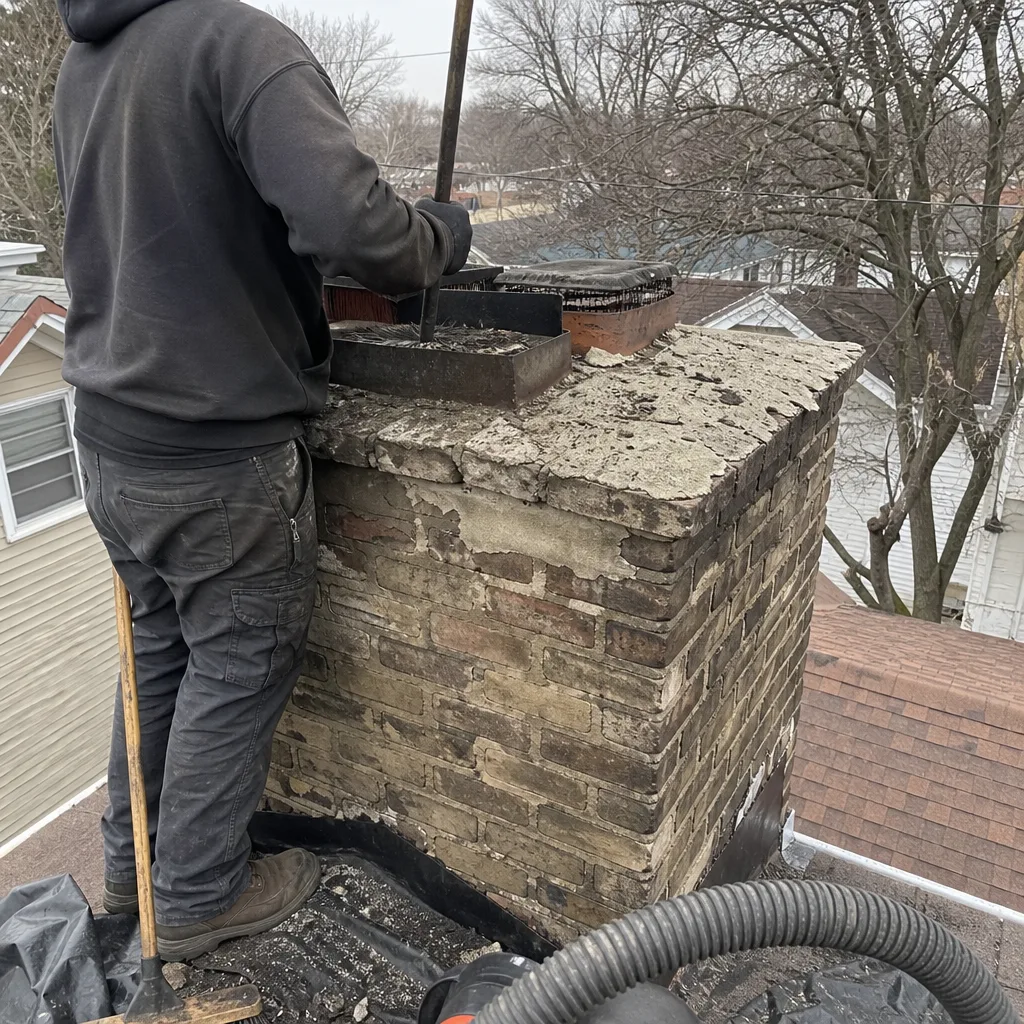 Before
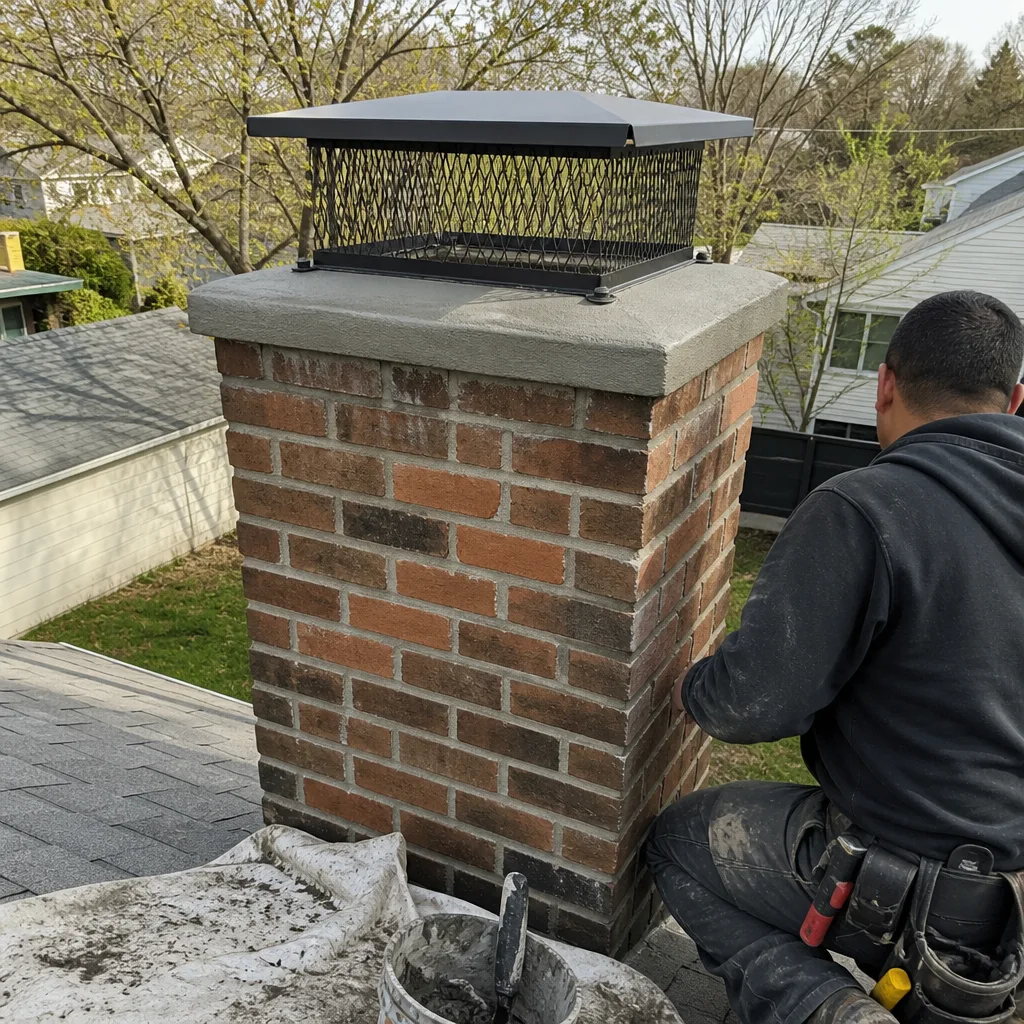 After
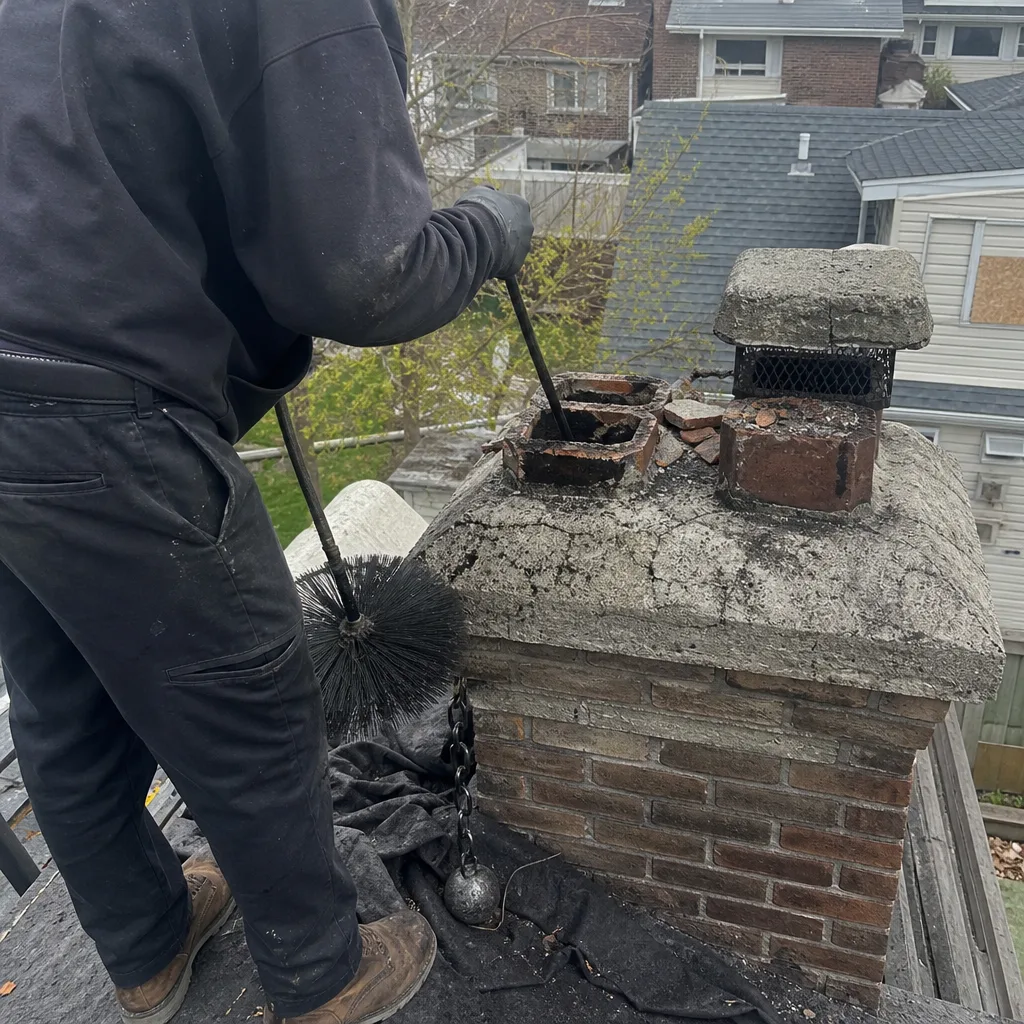 Before
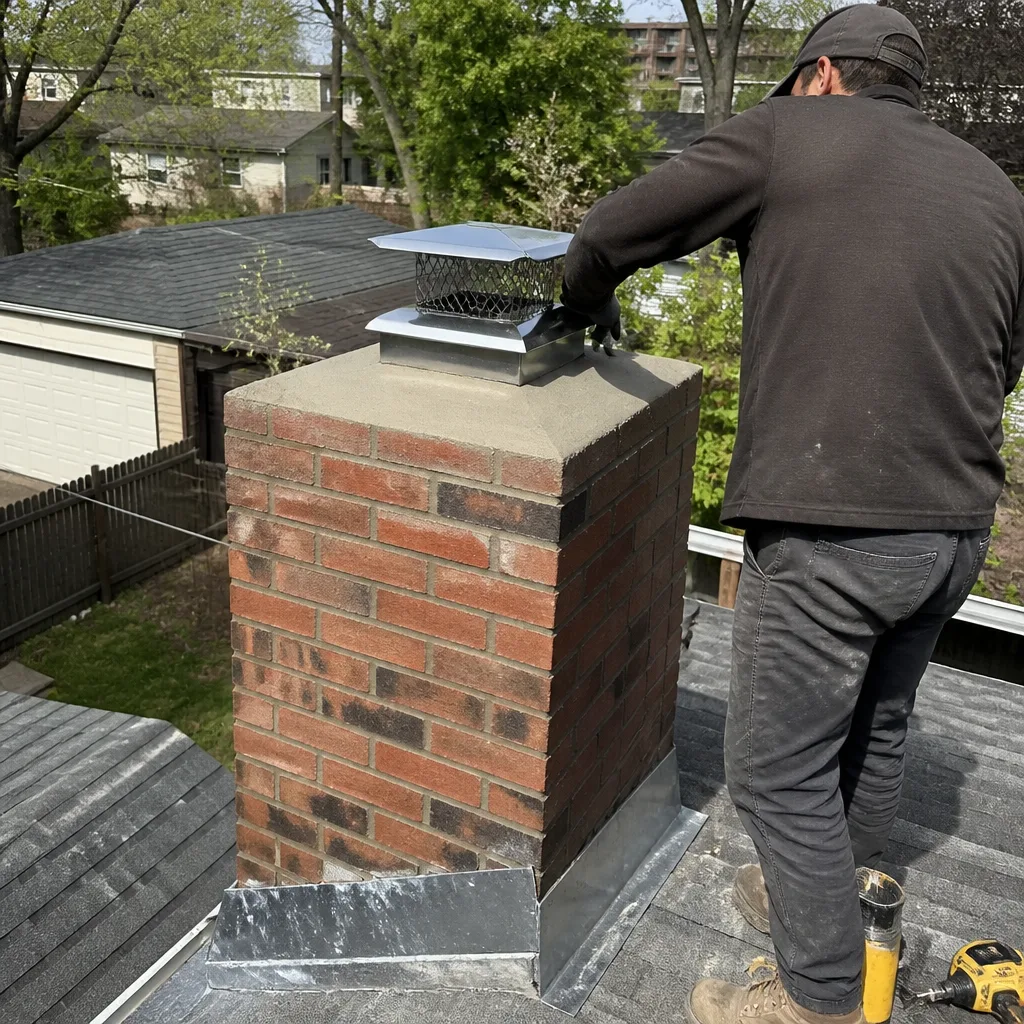 After
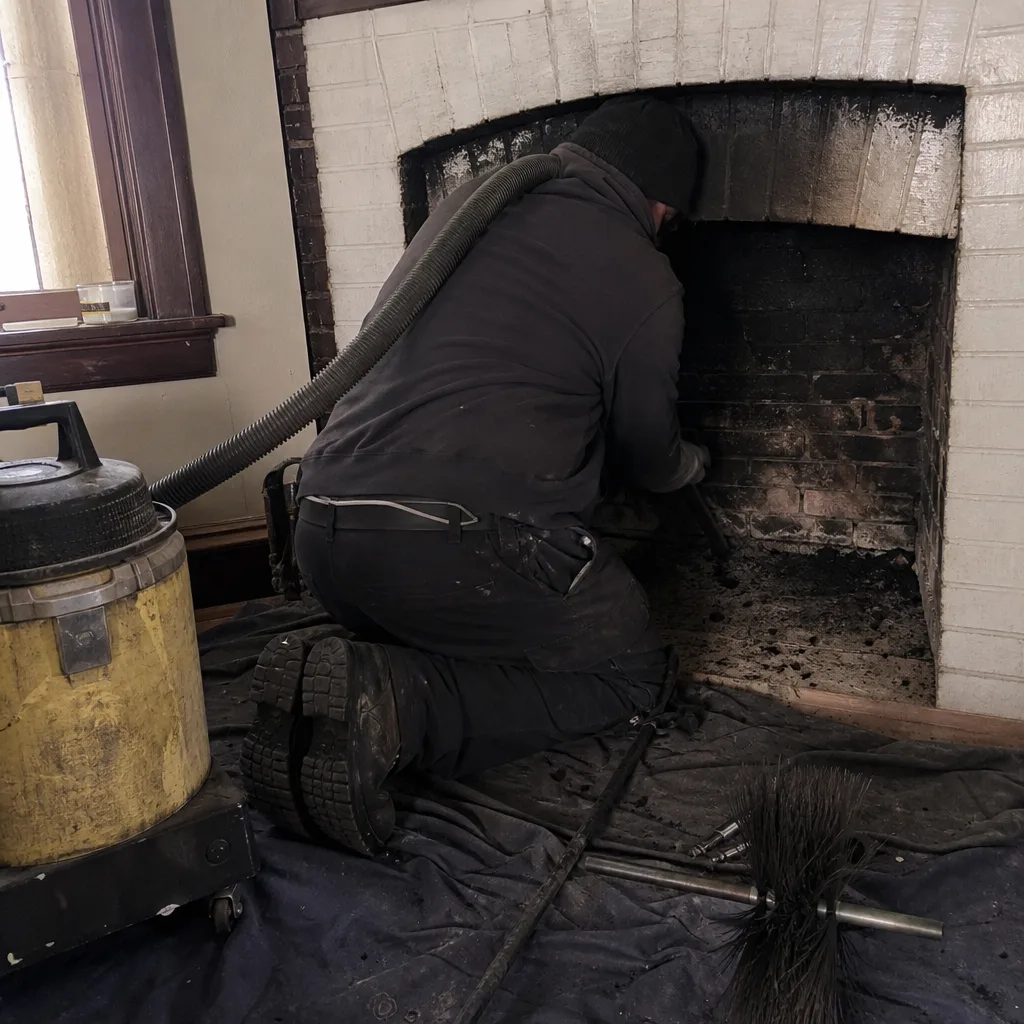 Before
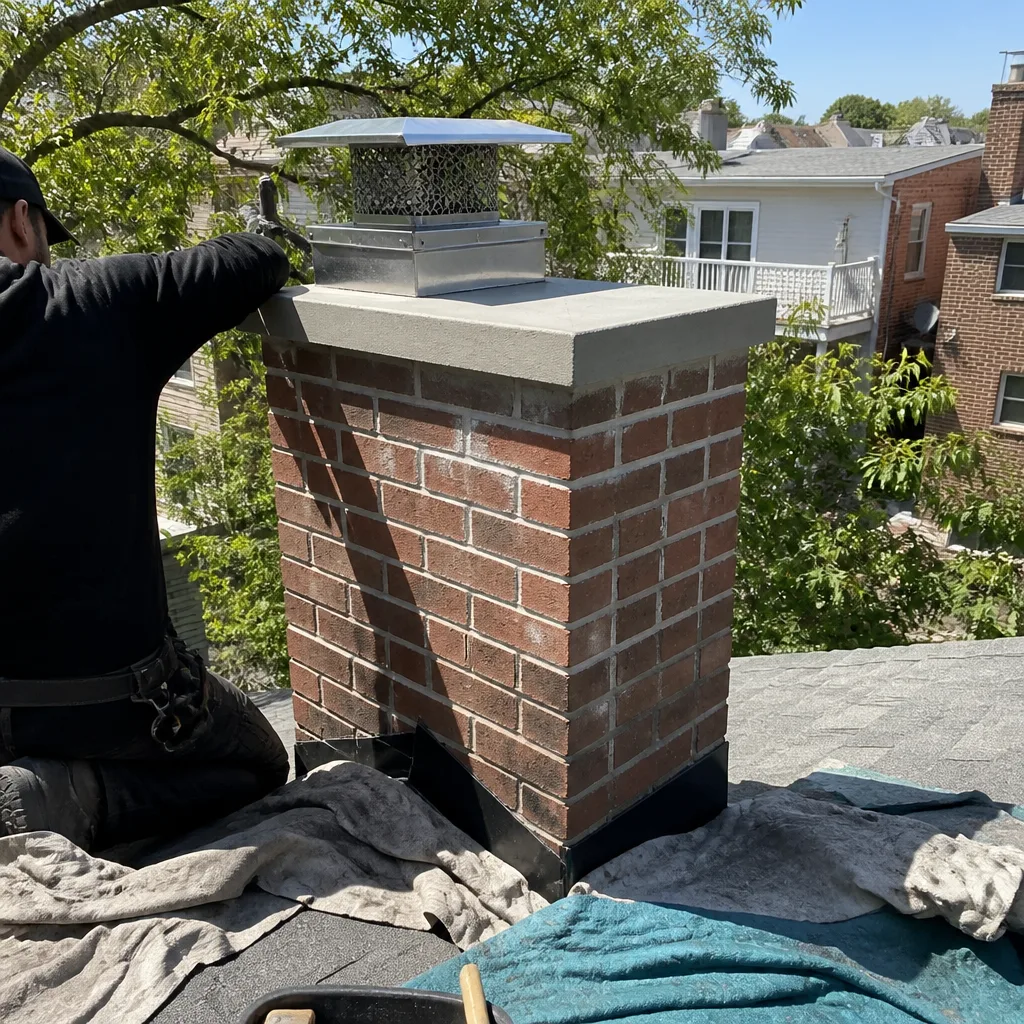 After