
Last updated October 31, 2026
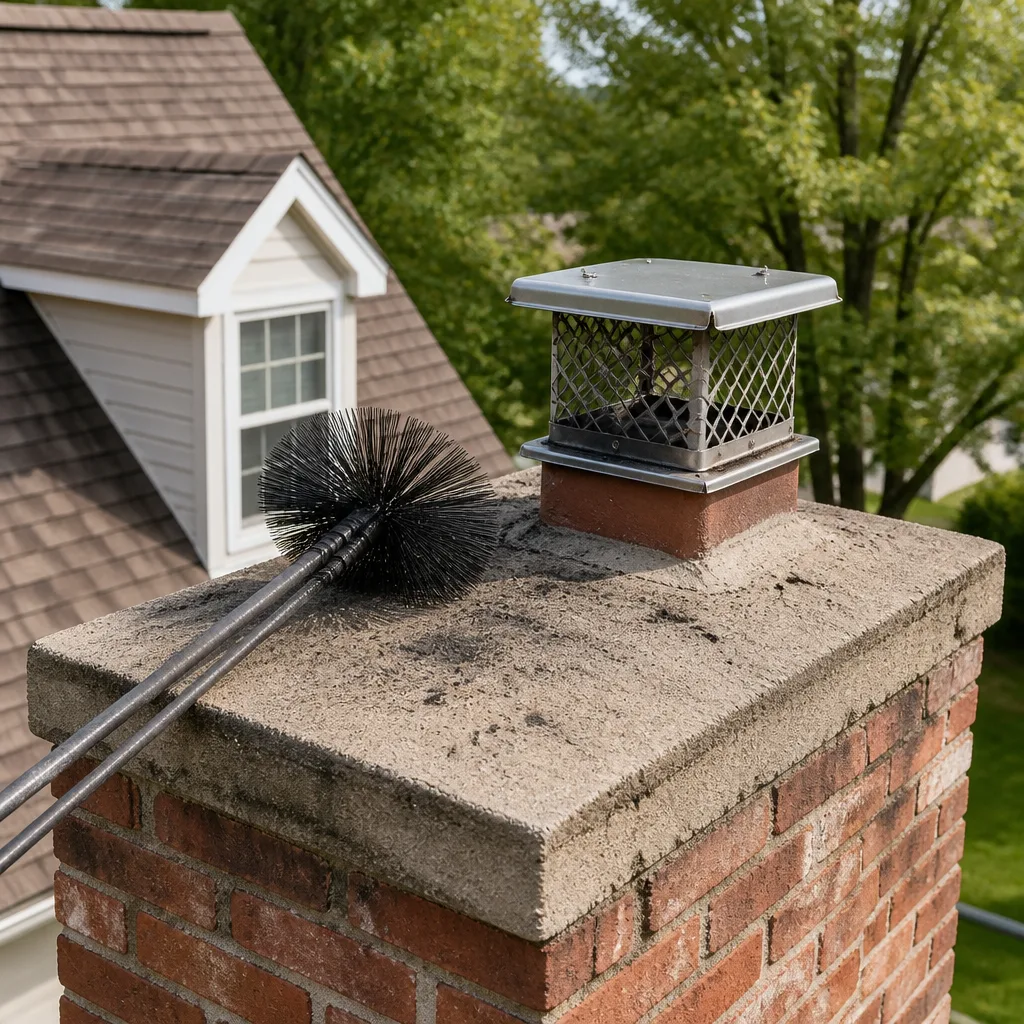 Sweep & inspection
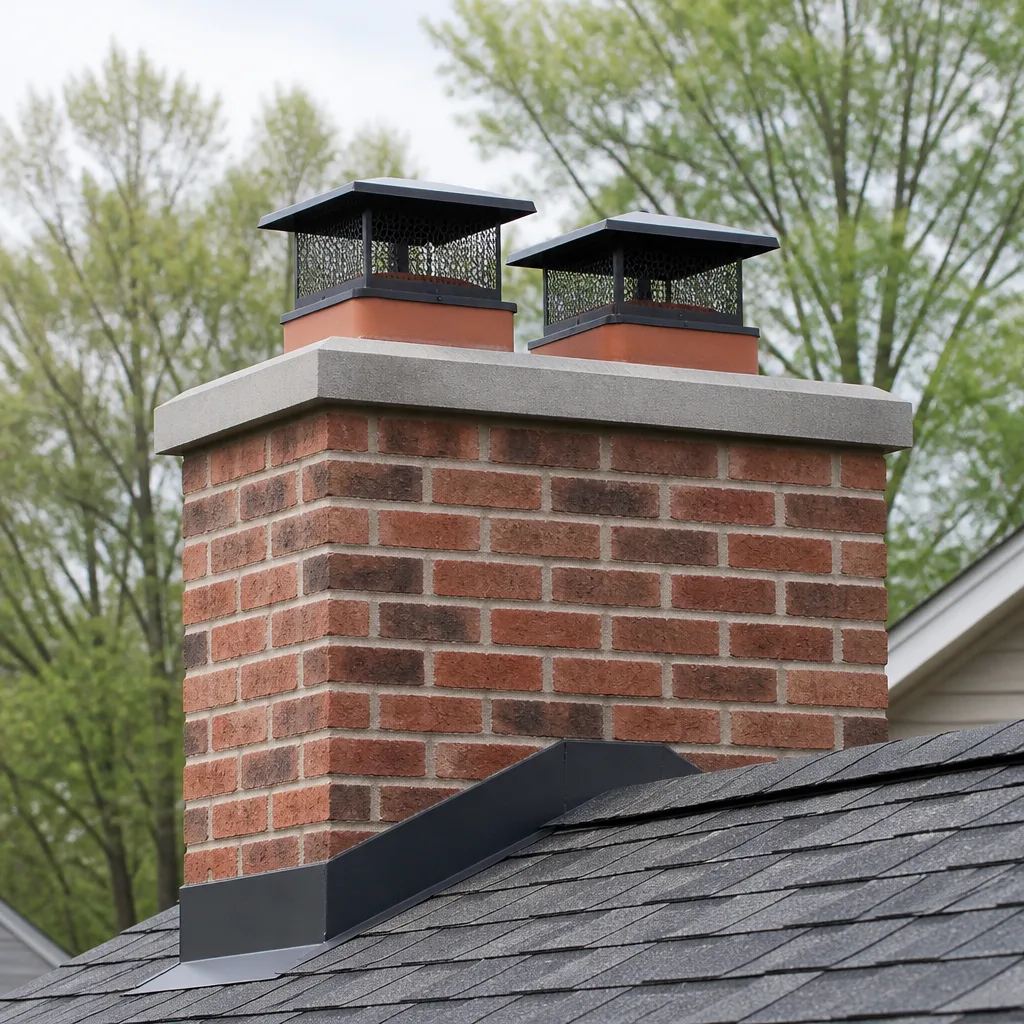 Caps & crowns
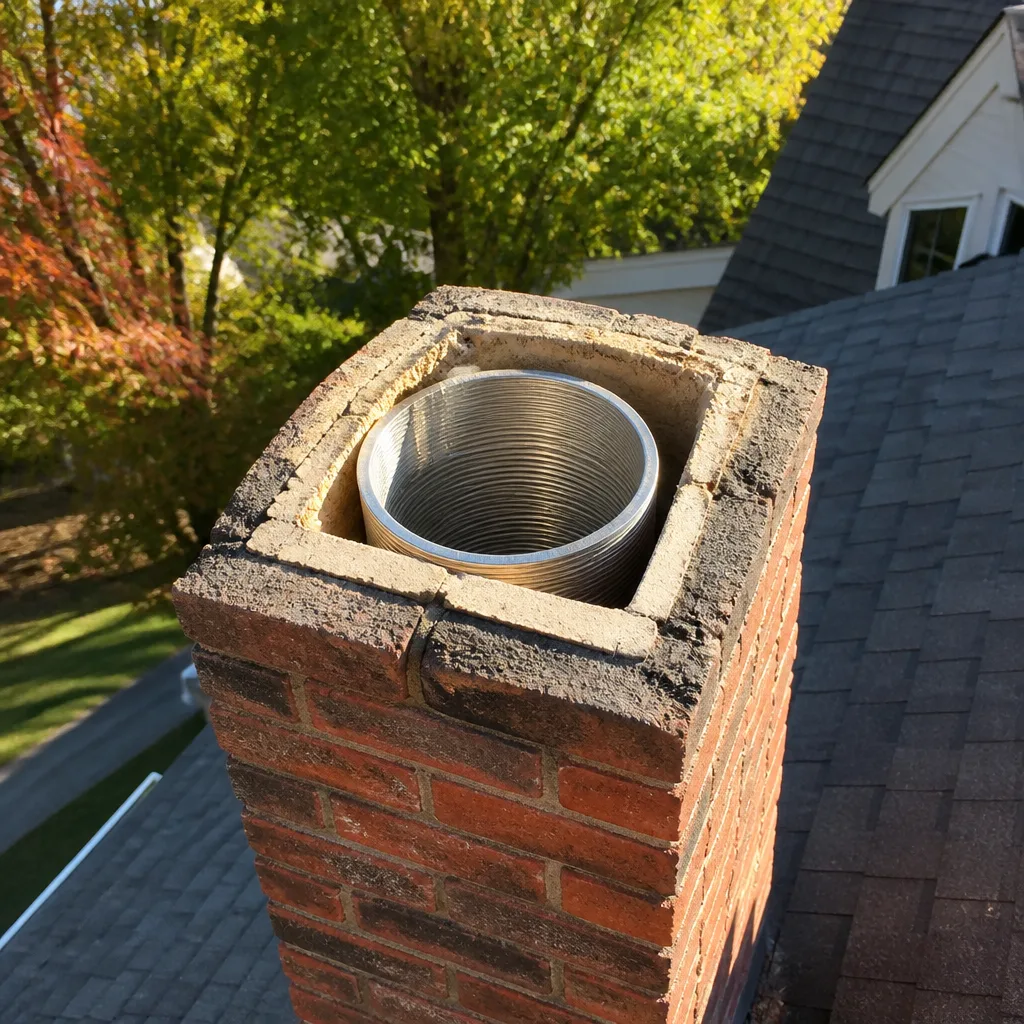 Flue relining
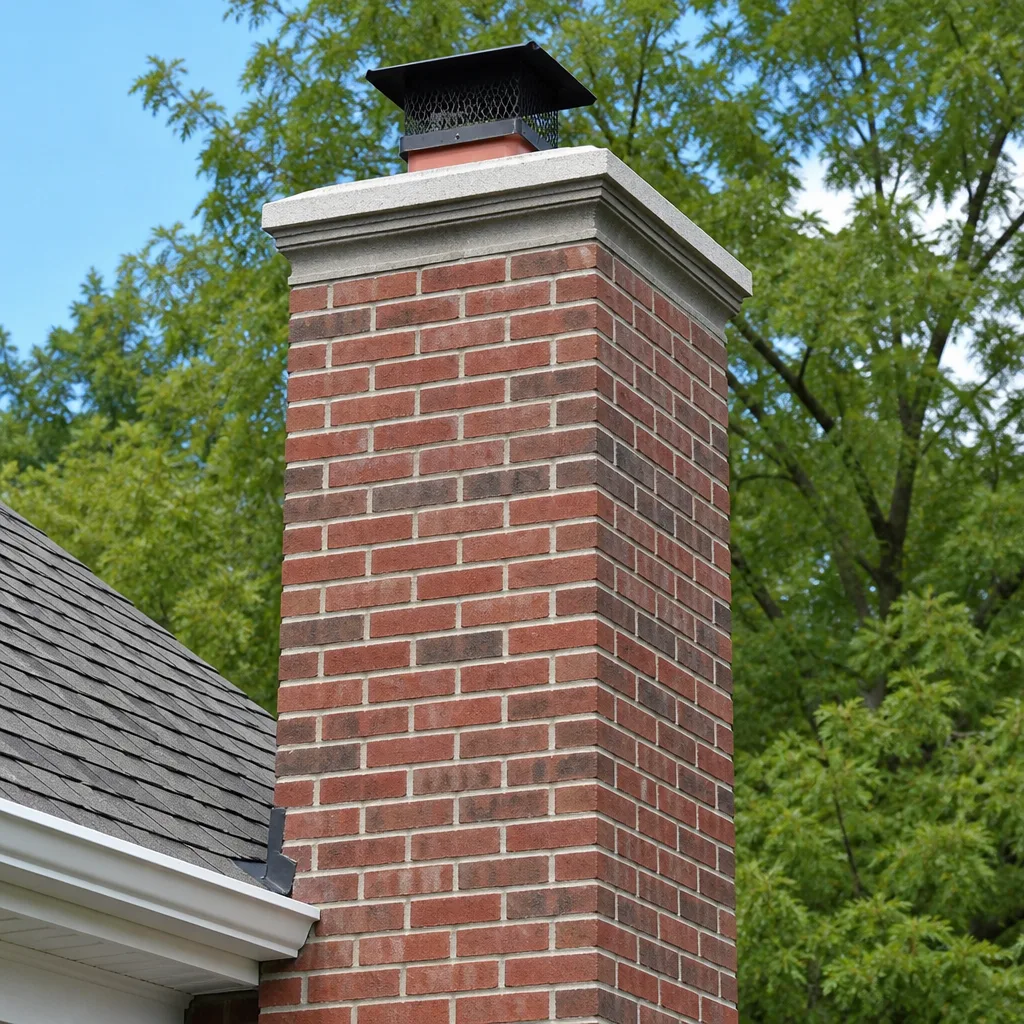 Masonry repair
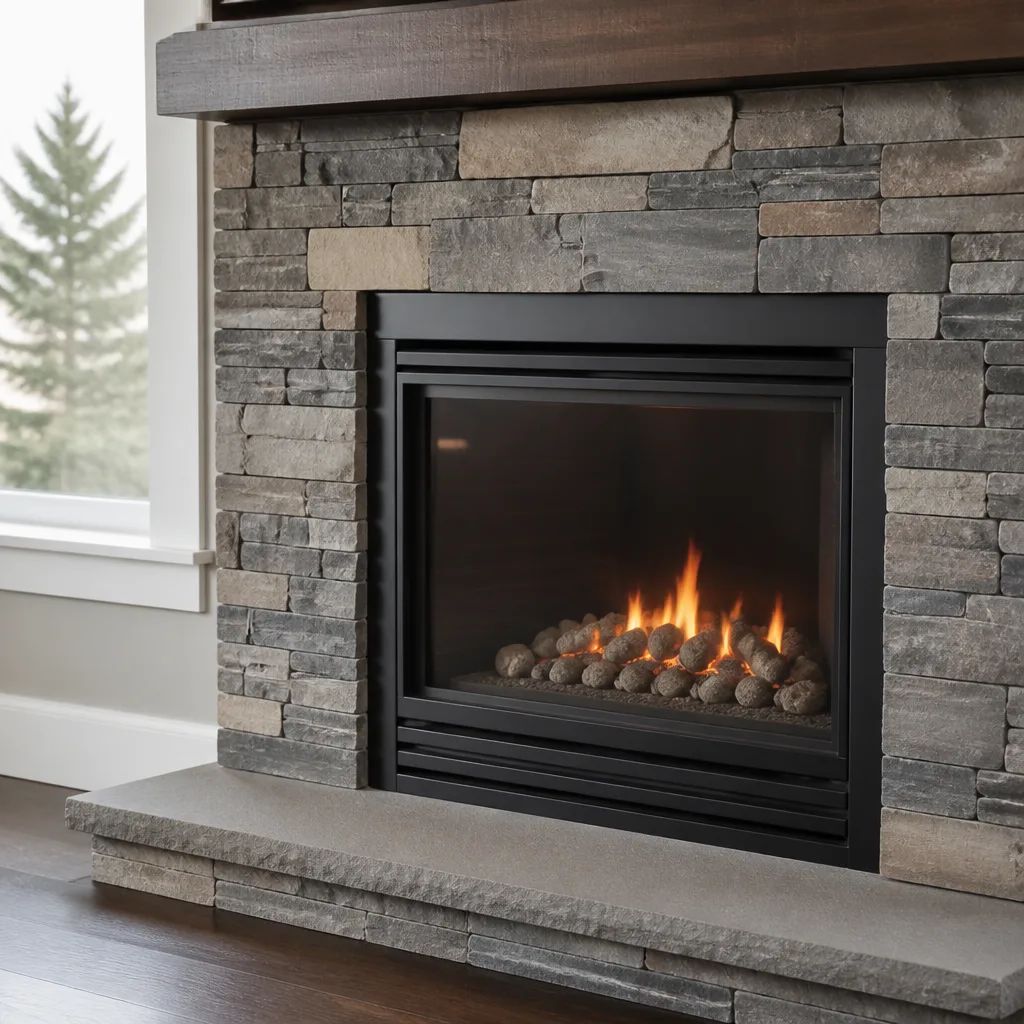 Gas fireplace service
Level 1 sweep and inspection to the NFPA 211 annual standard - flue, crown, cap, and flashing checked and photographed
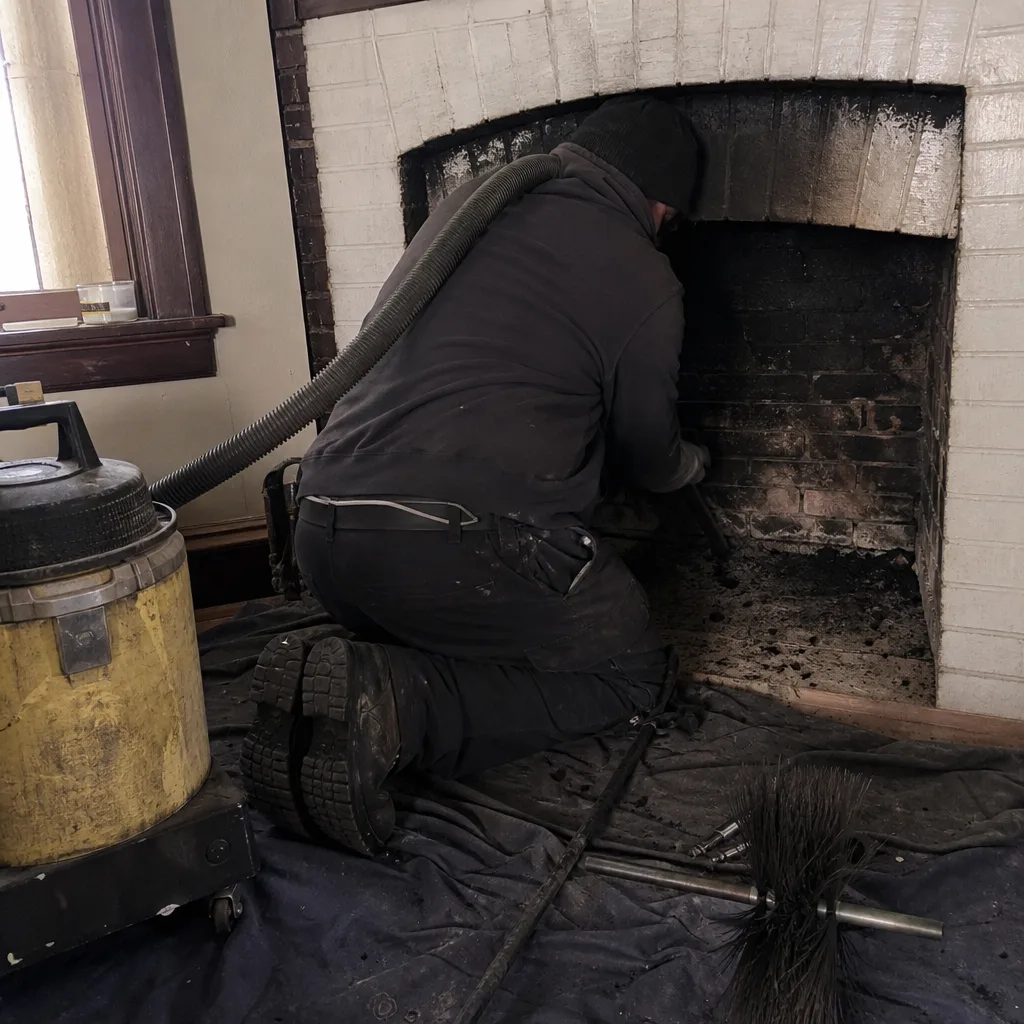
Chimney sweep logs do not sweep chimneys. They loosen some creosote - which then falls where a brush and vacuum still have to collect it.
Chimney Cleaning Permits, Codes & Inspections in IL: What You Need to Know
Here’s the counterintuitive reality most West Town homeowners discover too late: the chimney cleaning itself almost never needs a permit, but the repair work your sweep flags after the cleaning often does. A basic sweep and visual inspection is considered routine maintenance under Illinois and City of Chicago code. But if that inspection turns up a cracked flue liner, and you hire someone to reline it without pulling a building permit, you’ve just created a documented defect that a buyer’s home inspector will flag years later during a sale. In West Town’s competitive real estate market, that’s a five-figure negotiating disadvantage. This guide draws the exact line between maintenance and permitted work, explains the codes inspectors actually enforce, and tells you how to verify the paperwork is clean.
Quick Answer
Routine chimney sweeping and minor repointing in Illinois requires no permit at the state or City of Chicago level. You do need a City of Chicago building permit when the work involves relining a flue, rebuilding masonry above the roofline, or altering the chimney’s structural or venting configuration. Inspections follow the NFPA 211 standard, which Chicago code officials reference even though it’s not a city ordinance. Call (833) 365-6591 if you’d rather skip the research and get a straight answer about your specific chimney.
Styles & brands we work with
Table of Contents
- The Permit Line: What Triggers One in Illinois and Chicago
- How NFPA 211 Works as the Enforcement Standard
- What a Level 2 Inspection Report Actually Documents
- Multi-Unit Buildings and the Code Language That Applies
- How to Verify a Permit Was Properly Closed Out
- What We See in West Town Specifically
- Common Mistakes to Avoid
- When to Call a Professional
- Frequently Asked Questions
The Permit Line: What Triggers One in Illinois and Chicago
Illinois does not issue a statewide chimney permit. The authority sits with local municipalities, and in Chicago that means the Department of Buildings. The relevant code is Chapter 14X of the Municipal Code, which concerns existing buildings and the work done on them. Here’s the practical breakdown.
Work that does NOT require a permit:
- Chimney sweeping and flue cleaning. Removing creosote, soot, or debris with brushes and vacuum equipment is routine maintenance. No permit, no inspection, no paperwork.
- Minor repointing. Touching up mortar joints where the existing brick or stone remains in place and sound. This is considered cosmetic maintenance.
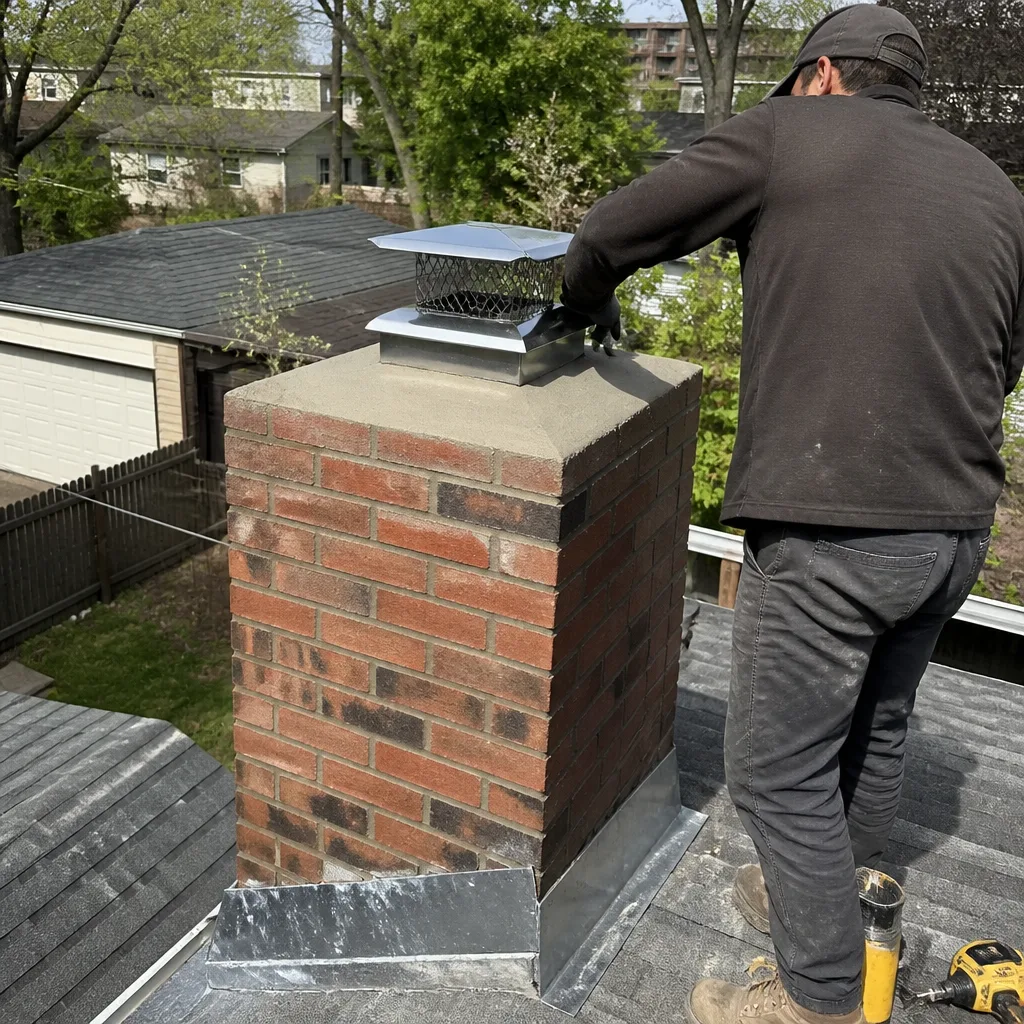
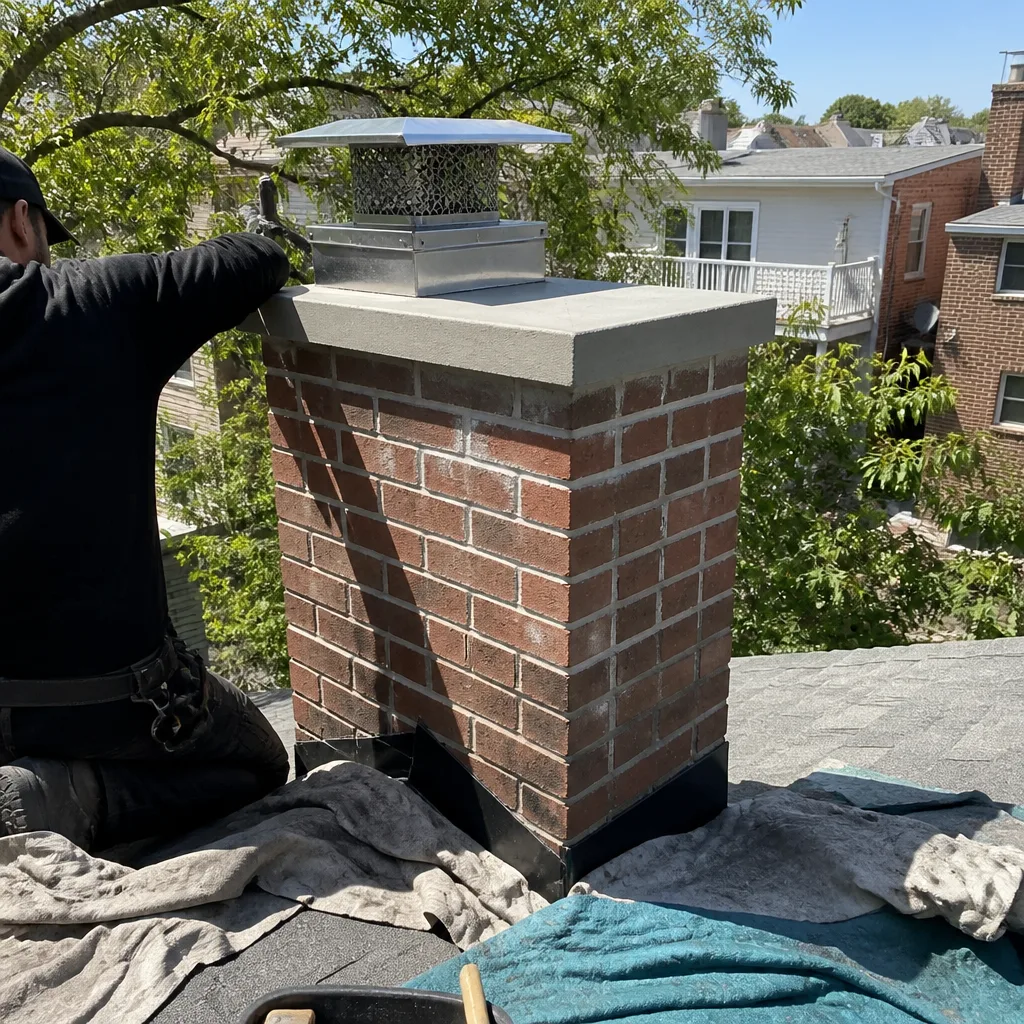
- Chimney cap installation or replacement. Adding or swapping a rain cap or spark arrestor at the very top of the flue. This does not alter the structure’s load path or venting performance in a code-relevant way.
- Damper repair that uses the original opening and framing. If you’re fixing the existing damper mechanism without changing the flue dimensions, no permit is needed.
- Camera inspection. Running a chimney camera up the flue to document its condition. The inspection itself is non-invasive.
Work that DOES require a City of Chicago building permit:
- Chimney relining. Whether you’re installing a stainless steel liner system like DuraFlex or applying a ceramic resurfacing product like HeatShield, you are changing the flue’s venting characteristics. Chicago treats this as an alteration to a fire safety system.
- Rebuilding masonry above the roofline. If more than a small patch of brick or stone is being removed and relaid, particularly if the smoke chamber or crown is involved, that’s structural work.
- Chimney reconstruction from the roofline up. Taking down and rebuilding the exposed portion of a chimney requires a permit and often a stamped drawing from an architect or structural engineer.
- Fireplace insert installation that changes venting. If you’re installing a wood-burning insert that requires a new liner or a change to the flue size, that’s a permitted alteration.
- Changing from a wood-burning chimney to gas venting, or vice versa. Altering the use of the system triggers code review.
Our shop has helped West Town homeowners sort through this distinction countless times. The rule we repeat most: if the work changes how the chimney vents or how it’s supported, assume a permit is required until the city tells you otherwise.
How NFPA 211 Works as the Enforcement Standard
NFPA 211 is the National Fire Protection Association standard for chimneys, fireplaces, vents, and solid fuel burning appliances. It’s a national standard, not an Illinois law or a Chicago ordinance. But here’s why it matters to you: when a City of Chicago building inspector signs off on permitted chimney work, they are evaluating your system against the NFPA 211 requirements. The city may not cite the standard by name in its municipal code, but the technical baseline inspectors use is NFPA 211.
That means anything a certified sweep flags during an NFPA 211-based inspection is likely to become the same issue a code official will flag if a permit is pulled.
The standard covers:
- Clearances to combustibles. How far the chimney and its surrounding chase must sit from framing, insulation, and other flammable materials.
- Flue sizing. The interior diameter of the flue must match the appliance it serves. An oversized flue on a gas insert is a common West Town retrofit problem because the original fireplace was built for wood.
- Liner condition. Cracked clay tile liners, missing mortar between tiles, or spalling brick inside the flue all fail NFPA 211 inspection criteria and trigger replacement.
- Chimney height and termination. The chimney must extend a minimum height above the roof and surrounding obstructions for proper draft and fire safety.
- Spark arrestor and cap requirements. Any chimney connected to a solid-fuel appliance must have a spark arrestor cap. That’s not a weather preference; it’s a fire code issue.
In our experience, when a Chicago inspector comes to review a permitted relining job in West Town, the things they check are almost always clearances and flue sizing. That’s why we install liners from manufacturers like Famco and Copperfield that are built to documented industry dimensions, not approximate sizes from a hardware store shelf. The inspector wants to see a match between the liner, the appliance, and the code. Trade-grade materials make that conversation shorter.
What a Level 2 Inspection Report Actually Documents
If you’re selling a West Town home or filing an insurance claim, the document that matters most is a Level 2 inspection report. Here’s what that means and why it holds legal weight.
A Level 2 inspection is the second tier of chimney inspection defined by NFPA 211. A Level 1 is what we do during a routine sweep: a visual check of the accessible portions of the flue and appliance. A Level 2 goes further. It includes a video scan of the interior of the flue with a chimney camera, and it’s required under the standard when any of these conditions apply:
- You’re selling the property.
- The property is changing ownership.
- There’s been a chimney fire, an earthquake, a severe weather event, or a building fire.
- The use of the chimney is changing (wood to gas, or vice versa).
- You’re filing an insurance claim related to the chimney.
The report documents, in writing and with images, the condition of the flue liner, the smoke chamber, the damper, the crown, and the visible masonry. If a flue liner is cracked, the report says so. If the chimney has hidden structural damage, the report says so. This is the document that a home purchaser’s attorney will request during a West Town transaction, and it’s the document an insurance adjuster will ask for if you file a claim after a chimney fire.
Here’s what a solid Level 2 report should give you:
- A video record. Still images alone aren’t enough. The video shows the full length of the flue, including transitions and the smoke chamber where problems hide.
- Condition of the flue liner. Specific language about cracks, gaps, missing mortar, or deterioration. Vague wording like “some wear” is not useful.
- Clearance observations. Notes on whether the chimney maintains required distances from combustible framing, where visible.
- A written recommendation. If work is needed, the report should say what, specifically, and reference the NFPA 211 section that applies. This connects your chimney’s condition to the standard an inspector will enforce.
For West Town homeowners, this document is the difference between a clean sale and a repair credit negotiated at the closing table. Buyers in this neighborhood are educated about chimney issues because so many of the buildings are older. The report is your evidence. Nothing in it should be vague.
Multi-Unit Buildings and the Code Language That Applies
West Town has a lot of converted two-flats and three-flats. If you own one, the code picture changes. Here’s what applies.
Chapter 14X of the Chicago Municipal Code addresses chimneys in existing multi-unit residential buildings differently than single-family homes. The logic is simple: when one chimney serves multiple dwelling units, a failure in that system affects more than one household. The enforcement posture is tighter.
Key points for multi-unit building owners:
- Shared flues must be structurally sound per NFPA 211. A shared flue that fails in one unit’s portion of the chimney is a building-wide issue. You cannot address just one unit’s section if the shared liner is compromised.
- Solid-fuel appliances in multi-unit buildings face stricter venting requirements. The code is less forgiving of oversized flues, inadequate clearances to combustible framing, and missing spark arrestors. If you’re adding a wood-burning stove or fireplace insert to a rental unit, expect a permit review that looks closely at the venting path.
- Gas venting cannot share a flue with a solid-fuel appliance. If one unit has a wood-burning fireplace and another has a gas furnace venting into the same flue, that’s a code violation. The flue must serve one type of appliance, not both. We’ve seen this condition in converted West Town two-flats where retrofits were done piecemeal over the years.
- Working smoke and carbon monoxide alarms are part of the picture. If you’re doing permitted chimney work in a multi-unit building, the city may verify that interconnected smoke and CO detectors are installed and functional in the units the chimney serves.
If you own a West Town two-flat or three-flat and haven’t had the chimney inspected since buying the building, a Level 2 inspection is the right starting point. It tells you whether the system is compliant or whether you’re carrying a code exposure you don’t know about. We do Chimney Sweep in West Town work in these buildings regularly, and the multi-unit venting questions come up more than homeowners expect.
How to Verify a Permit Was Properly Closed Out
An open building permit is a title defect. Here’s what that means and how to verify a permit was properly closed.
When a contractor pulls a City of Chicago building permit for chimney work, the permit isn’t finished when the work is finished. It’s finished when the city inspector signs off on the final inspection and the permit status changes to “closed” or “completed” in the city’s system. If the contractor skips that final inspection, or if the inspector fails the work and the contractor never brings it back, the permit remains open.
Open permits from previous owners surface on title searches during a sale. They can delay closing, require you to hire someone to finish or redo the work, and in some cases force a retroactive correction at your expense. West Town properties change hands frequently, and open permits from a decade ago are not unusual.
Here’s how to verify a permit is closed:
- Get the permit number from the contractor. Any legitimate contractor who pulled a permit on your behalf can give you the number. It’s on the permit placard and in the city’s online system.
- Check the City of Chicago Department of Buildings permit lookup. The city maintains a public online portal where you can search by address and see the status of every permit pulled for that property. Look for the status label: “closed,” “completed,” or “open.”
- If the permit is open, call the contractor who pulled it. Ask them to schedule the final inspection and close it out. If they’re unresponsive or out of business, you’ll need to contact the Department of Buildings directly.
- Pull a title report before you sell. Your attorney will do this as part of a standard transaction, but doing it earlier gives you time to remediate before you’re under contract.
- Keep the closed permit documentation with your home records. When you sell, this paper trail answers the buyer’s inspector questions before they become negotiation points.
We always advise West Town clients to ask their contractor about permit status before and after the work. A contractor who is vague about permits is a red flag. A contractor who hands you the permit number and closes it out properly is doing the job the way the code intends.
What We See in West Town Specifically
West Town’s housing stock tells a specific story. The neighborhood has a high concentration of brick masonry buildings from the late 19th and early 20th century, many with original clay tile flue liners. Those liners are now well past a century old in some cases, and clay tile degrades predictably under Chicago’s freeze-thaw cycles. Water seeps into the masonry, freezes, expands, and the tiles crack from the inside. By the time we see them, the flue is often in poor shape.
Here’s what that means for permits and inspections in West Town specifically:
- Old flues fail Level 2 inspections at a high rate. If you’re selling a West Town row home or a brick two-flat that’s never had flue work done, expect the buyer’s inspection to flag the liner. That’s a repair credit conversation if you haven’t addressed it proactively.
- Rooftop chimney work on close-set buildings requires care with access and neighboring properties. In West Town, chimneys on adjacent buildings often sit close together. Rebuilding masonry above the roofline may require coordination with neighbors’ structures, particularly on corner lots where chimneys face the street.
- Wood-burning fireplaces in converted units are frequently out of code. Many West Town two-flats had fireplaces in every unit originally, but renovations over the decades created venting arrangements that don’t meet current code. If you’re renovating, the chimney is one of the first things to check.
- The real estate market here moves quickly, and inspection contingencies are tight. Sellers who wait until under contract to have a chimney inspected lose negotiation leverage. Smart sellers get a Level 2 inspection done before listing.
We do Chimney Repair in West Town for the same buildings we sweep. The two services go together because old chimneys rarely need just one or the other. The repair work is where the permit conversation comes in. A relining using a DuraFlex system or a HeatShield resurfacing application is permitted work. We handle the permit process as part of the job. The homeowner’s role is to make sure the work is done properly and the permit is closed.
Common Mistakes to Avoid
- Paying for a “permitted sweep.” There’s no permit for chimney sweeping in Illinois or Chicago. Any company that charges extra for a “permit” on a routine sweeping is adding a line item for something that doesn’t exist. Sweeping is maintenance, not construction.
- Hiring someone to reline a flue without a permit because it’s cheaper. This is the expensive mistake. The unpermitted work will surface at sale, and you’ll pay to fix it properly then, with less time and less leverage.
- Assuming a chimney inspection is the same as a building inspection. A chimney sweep’s Level 1 or Level 2 inspection tells you the condition of your flue. A City of Chicago building inspection is a code compliance review. Both matter. They are not the same thing.
- Skipping the final inspection after permitted work. The permit isn’t closed until the city inspector signs off. Leaving it open creates a title issue. Always verify the permit status before you consider a job done.
- Trusting a low quote that doesn’t include the cost of permits and inspections. A legitimate contractor who does permitted work includes those costs in the quote. A low bid that omits them isn’t low; it’s incomplete, and the difference becomes your problem later.
- Doing structural chimney work on a multi-unit building without checking code requirements. Shared flues, fire separations, and smoke detection requirements change the scope. What’s fine on your single-family home may not be fine on your West Town two-flat.
- Ignoring the chimney because “we never use it.” An unused chimney still sits against your house. Water still gets in. The flue liner still degrades. And if you ever sell, the buyer’s inspector will check it whether you used it or not.
When to Call a Professional
Call a professional if your chimney has never been inspected since you bought the house, or if you can’t remember when it was last swept. Call if you see crumbling brick, water staining on the ceiling near the chimney, or a musty smell from the fireplace. Call if you’re planning to sell, because a clean Level 2 report from before listing is the strongest position you can be in. Call if you’ve had a chimney fire, even a small one. And call if you’re not sure whether your chimney work needs a permit, because that question is cheaper to answer before the work starts than after. Brightway Chimney Sweep home offers free estimates in West Town, call (833) 365-6591 for a straight answer about your chimney.
Frequently Asked Questions
A standard chimney sweeping in West Town typically runs between $150 and $300, depending on the height of the chimney, the amount of creosote buildup, and whether the flue is easily accessible from the roof. That price includes the sweep itself and a Level 1 visual inspection. A Level 2 inspection with a video camera scan adds $100 to $200 on top of the sweep. Repair work like relining or masonry rebuilds is priced separately, after the inspection shows what’s actually needed. Call (833) 365-6591 for an exact quote before you book. Estimates are free.
You might. Cracked clay tile liners are common in West Town’s older masonry chimneys, and once the cracks are there, the liner is no longer doing its job: containing heat and combustion gases. The decision should be based on evidence: a clear video from a chimney camera showing the cracks, gaps, or missing mortar. We never recommend a reline without showing the homeowner that video. A liner replacement is permitted work, and a trade-grade liner system like DuraFlex, properly sized for your appliance, is the standard fix. If the flue is mostly intact, a HeatShield resurfacing may be a less invasive alternative. The point is: don’t accept the recommendation without seeing the camera footage. Call (833) 365-6591 if you want a second opinion on a liner diagnosis.
The National Fire Protection Association says chimneys should be inspected at least once a year and swept when creosote buildup reaches 1/8 inch or more. For a wood-burning fireplace used regularly during a Chicago heating season, that usually means a sweep every year or every other year. Gas fireplaces don’t produce creosote, but they should still be inspected annually for venting obstructions and heat exchanger condition. In West Town, where many homeowners burn wood from November through March, annual sweeping is the safe default. If you call (833) 365-6591, we can tell you what your flue actually needs based on what we see.
Creosote builds up inside the flue, and creosote is fuel. A hot fire can ignite it, and the resulting chimney fire can reach 2,000 degrees Fahrenheit, cracking clay tile liners and spreading to the wood framing around the chimney. That’s the mechanism behind thousands of house fires every year. Even if you never have a fire, a dirty flue restricts draft, which pushes smoke and carbon monoxide back into the living space. The risks are real, and the fix is inexpensive compared to the alternative. If your chimney hasn’t been swept in years, schedule one. Chimney Sweep in West Town can inspect and sweep yours in a single visit.
No. Chimney cleaning is classified as routine maintenance under City of Chicago code and the Illinois state building code. No permit is required to sweep a flue, remove creosote, inspect with a camera, or install a chimney cap. The permit requirement kicks in only when structural or venting alterations happen: liner replacement, masonry rebuilding above the roofline, or changes to how the chimney vents. That distinction catches homeowners off guard, which is why we explain it before every job. Call (833) 365-6591 if you’re not sure which category yours falls into.
No. Dryer vent cleaning is considered maintenance and requires no permit in Chicago or anywhere in Illinois. It’s not structural work, and it doesn’t alter venting configuration. That said, dryer vent cleaning is not optional maintenance. Lint accumulation in dryer vents is one of the leading causes of residential house fires in the United States. In West Town’s older buildings, many dryer vents run long distances through walls or ceilings, which makes regular cleaning even more important. Dryer Vent Cleaning in West Town is a core service we offer alongside chimney sweeping, because both address preventable fire risks in the same house.
The Bottom Line
Chimney cleaning in Illinois and Chicago doesn’t need a permit. But the work that follows an inspection often does: relining, rebuilding above the roofline, or changing venting configuration all require a City of Chicago building permit and final inspection. The standard that inspectors use, NFPA 211, is the same standard a good sweep uses when they’re looking at your flue. The paperwork matters as much as the work itself. Open permits follow properties through title searches and complicate sales. And in West Town, where aging masonry chimneys are the norm, the smartest move is to get the inspection done before you need it, not after a buyer’s inspector flags it. Chimney Repair in West Town work should be handled by a contractor who manages permits properly. If you want the whole system checked, we offer free estimates. Call (833) 365-6591.
Written by the team at Brightway Chimney Sweep, serving West Town since 2016.
See the difference
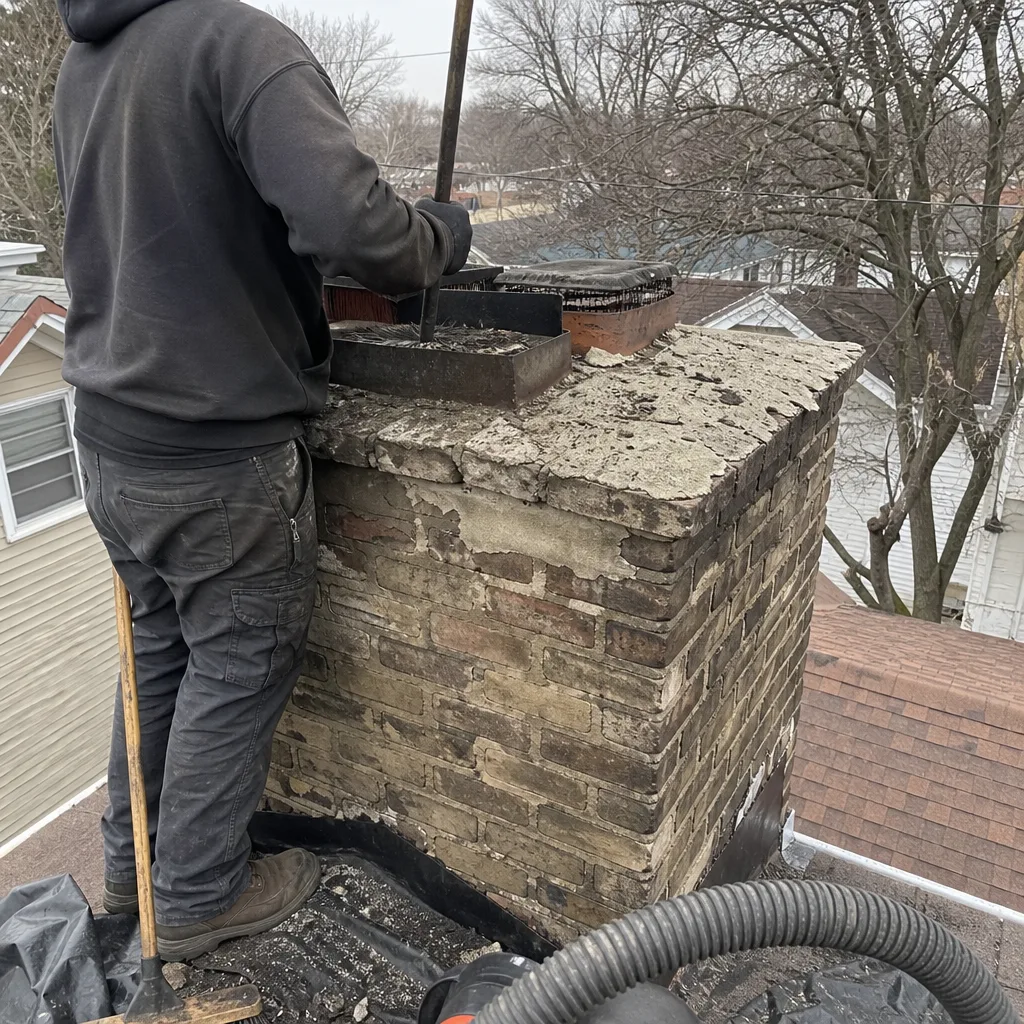 Before
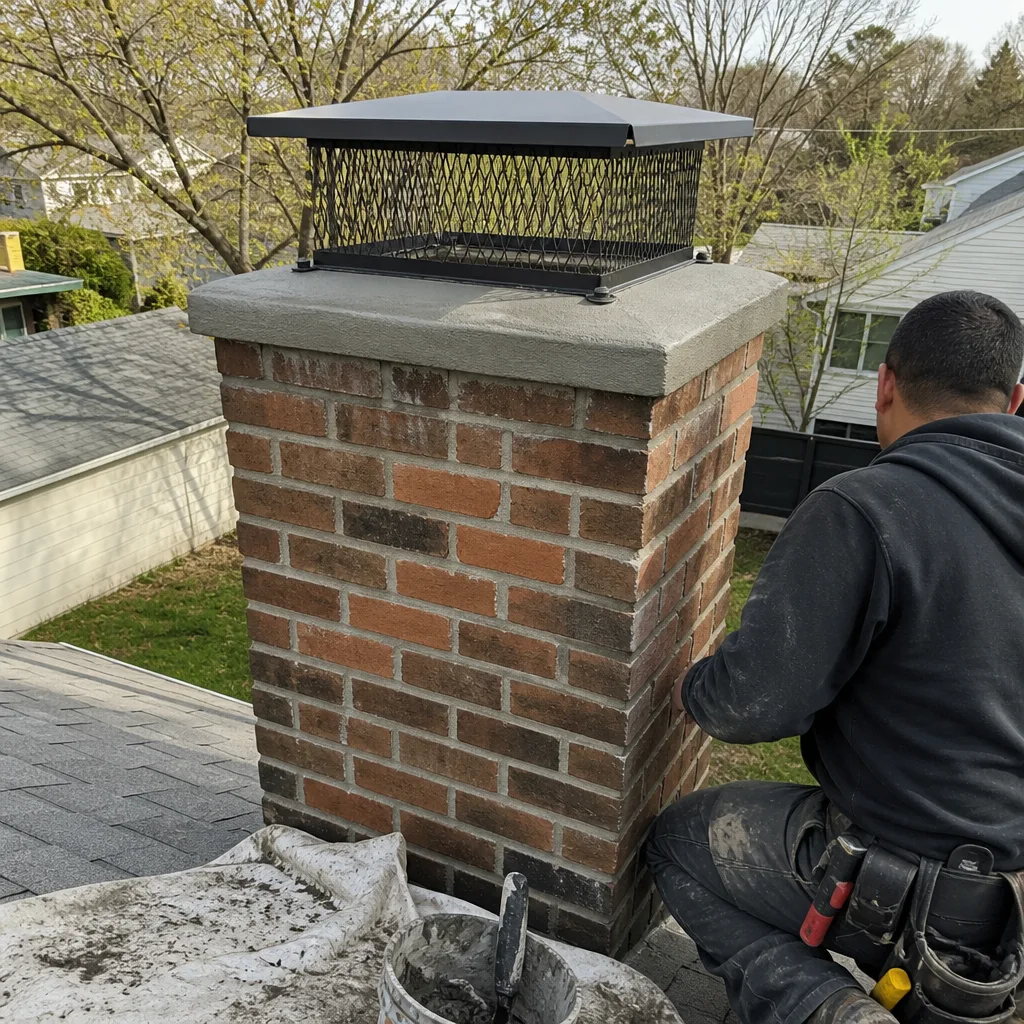 After
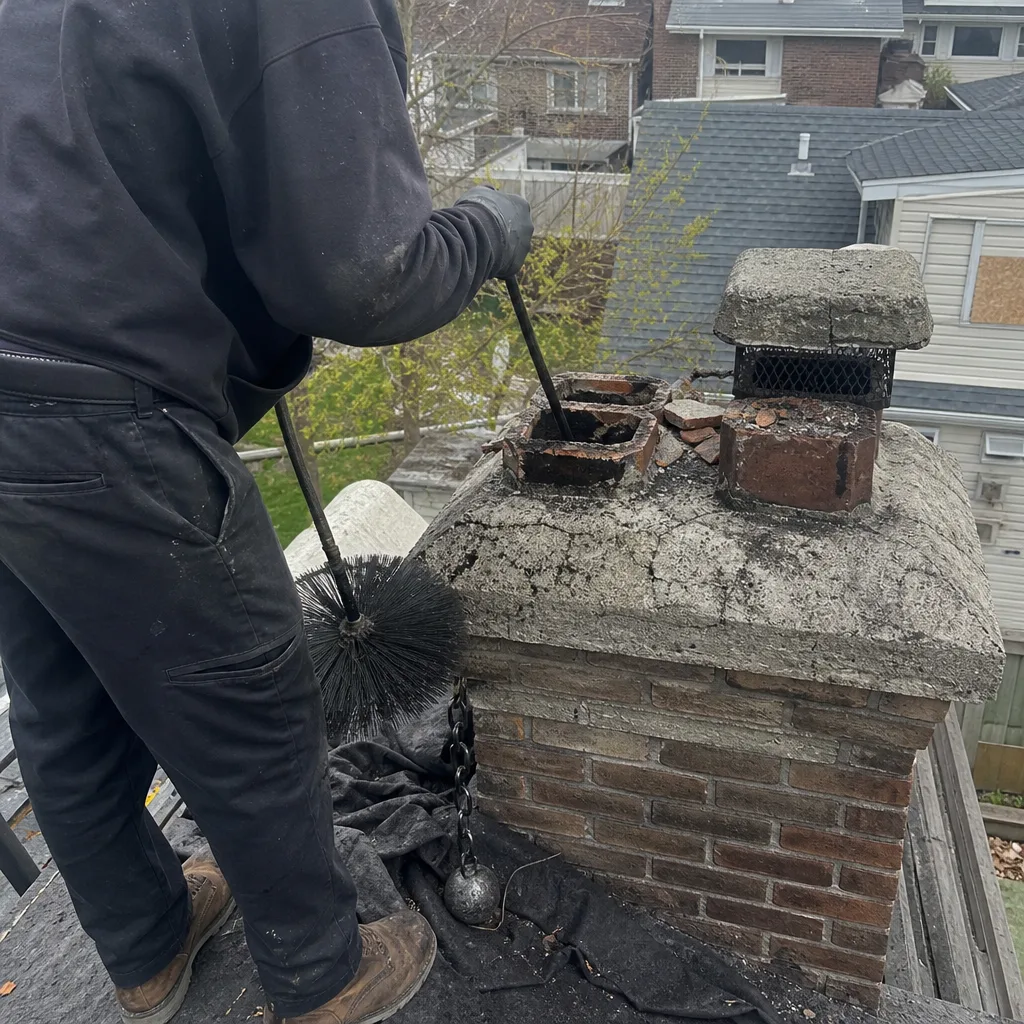 Before
 After
 Before
 After