Last updated October 31, 2026
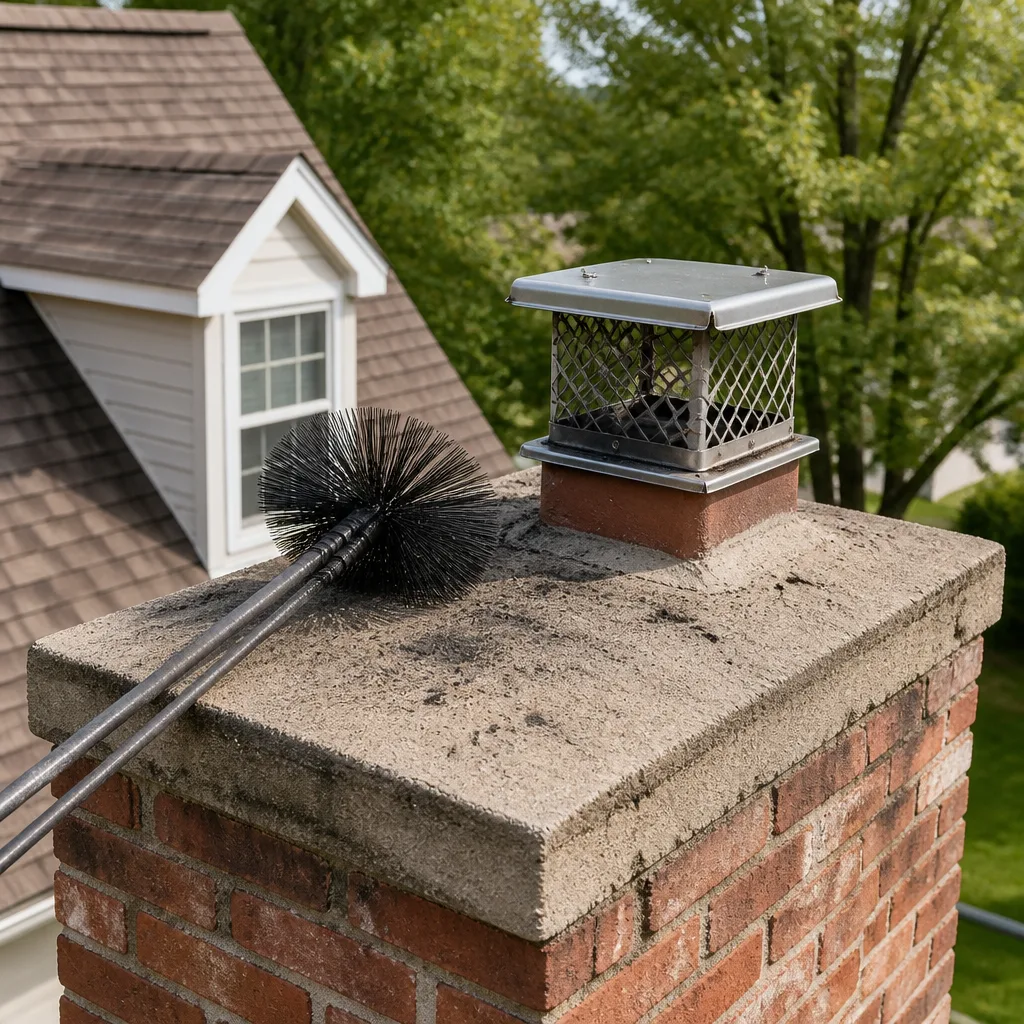 Sweep & inspection
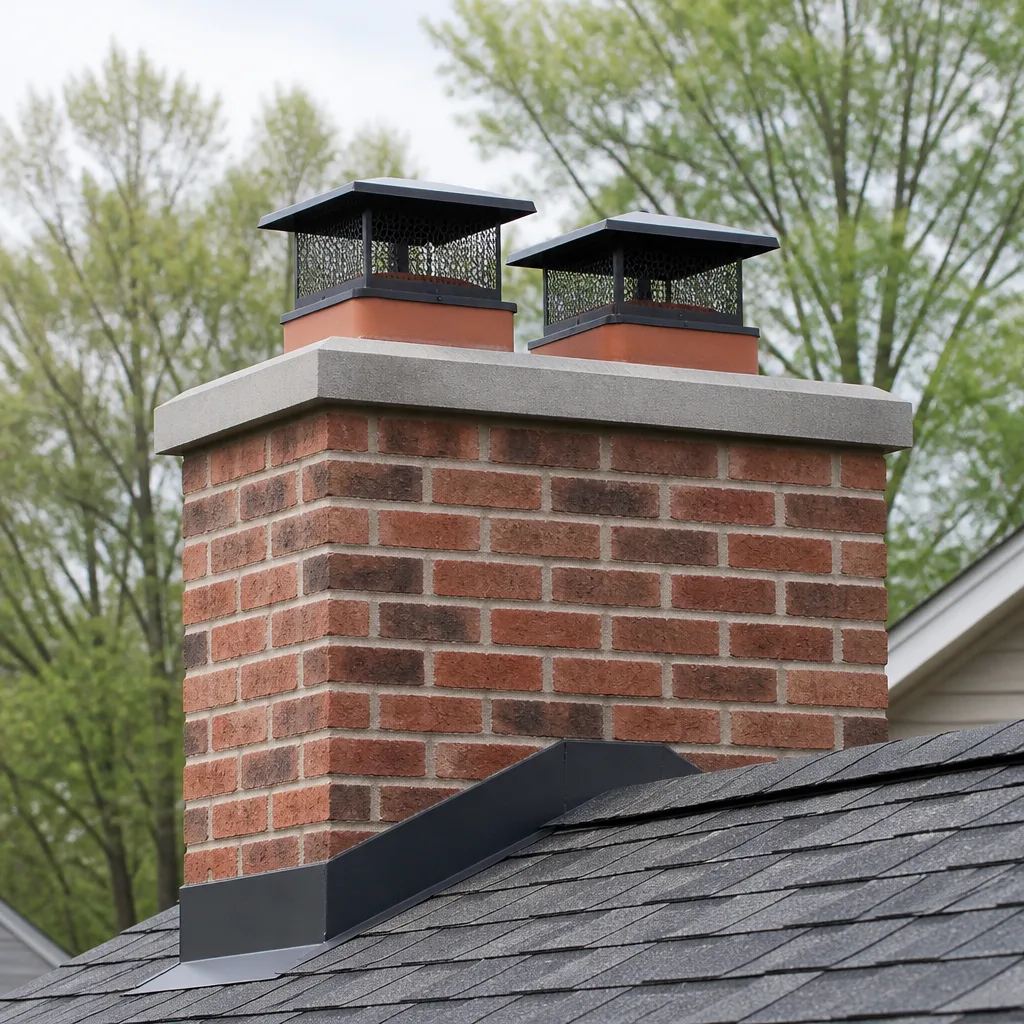 Caps & crowns
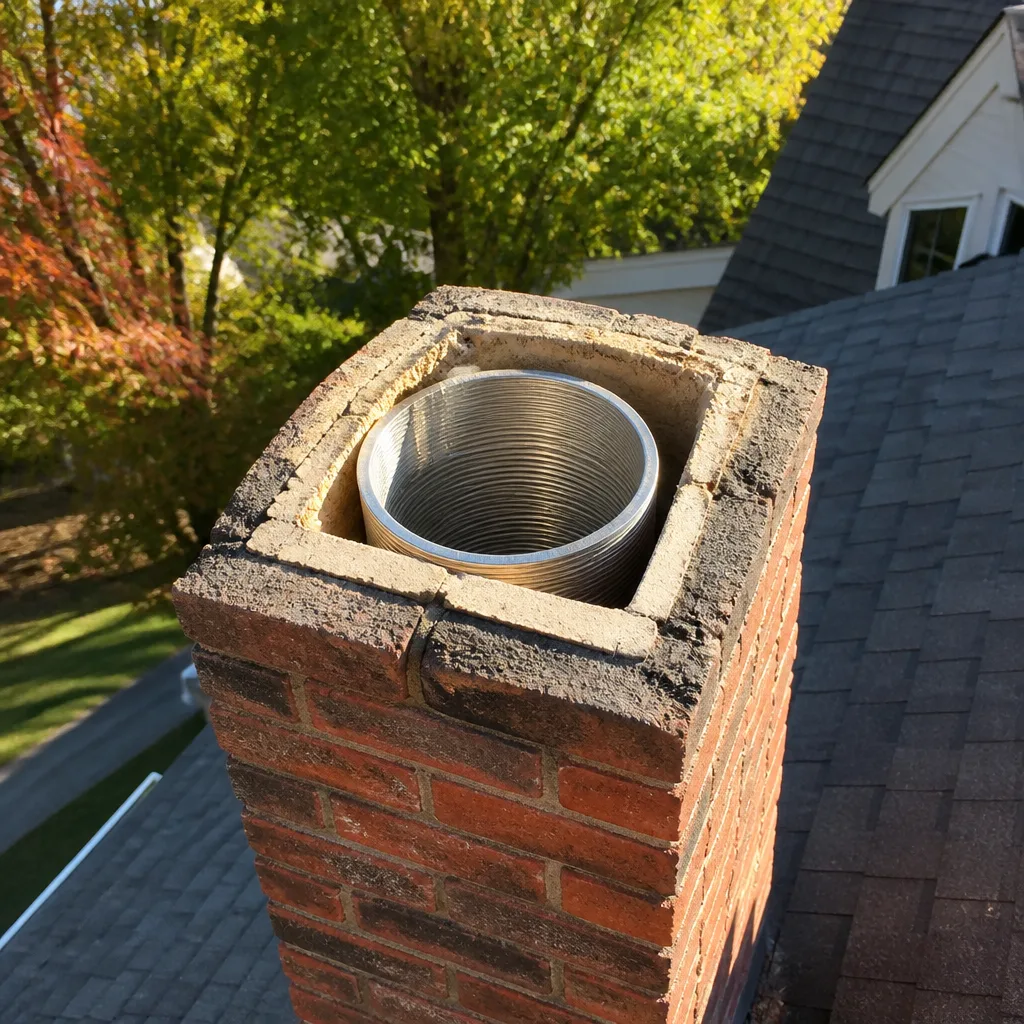 Flue relining
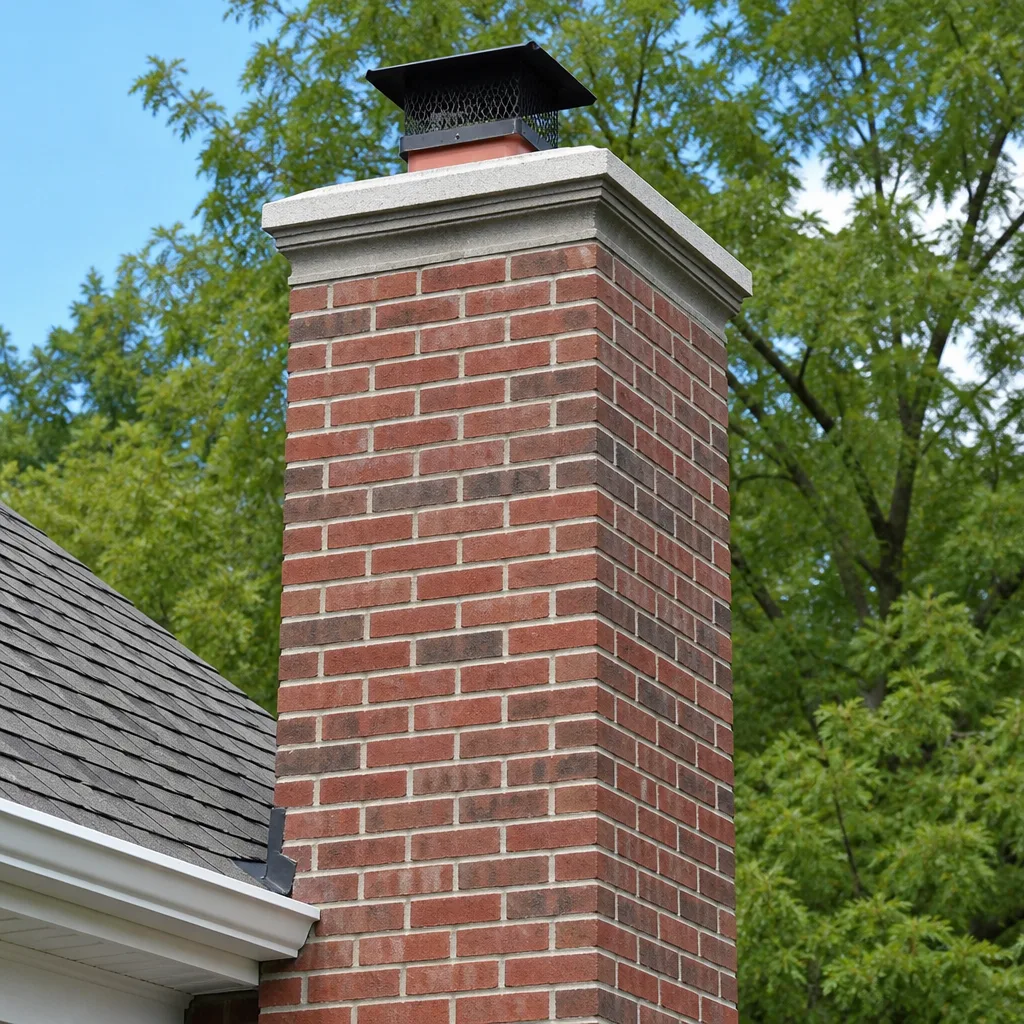 Masonry repair
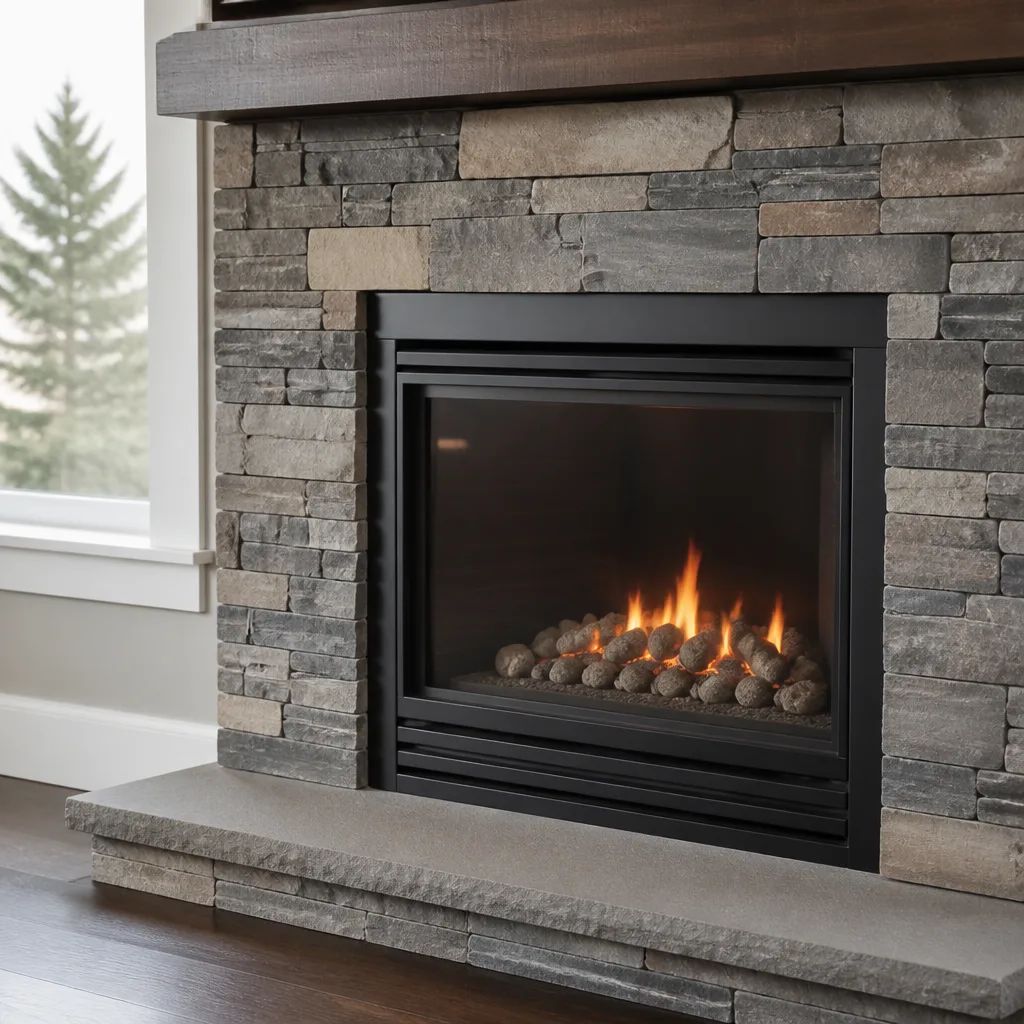 Gas fireplace service
Level 1 sweep and inspection to the NFPA 211 annual standard - flue, crown, cap, and flashing checked and photographed
Chimney sweep logs do not sweep chimneys. They loosen some creosote - which then falls where a brush and vacuum still have to collect it.
How to Hire a Chimney Cleaning Contractor in West Town: A Step-by-Step Guide
There is no state licensing requirement for chimney sweeps in Illinois. Read that again, because it’s the single most important fact when hiring a chimney contractor in West Town. Anyone with a ladder, a brush, and a website can call themselves a chimney sweep, which means the only reliable filter between you and an unqualified contractor is the set of questions you ask before anyone climbs onto your roof. This guide walks through exactly what to require, what to verify, and what to walk away from, so that when a contractor rings your doorbell in West Town, you already know whether they belong on your property. For more guides & resources on chimney care, explore our blog.
Styles & brands we work with
Quick Answer
To hire a chimney cleaning contractor in West Town, require CSIA certification, verify general liability and workers’ compensation insurance before the appointment, insist on a written scope of work that defines the inspection level, and ask what materials they use for repairs. A legitimate contractor will answer these questions directly; a questionable one will deflect or upsell before they have even looked at your flue.
Table of Contents
- Why Illinois Is Different: No State Licensing for Chimney Sweeps
- What CSIA Certification Actually Tests (and Why It Matters)
- Insurance Requirements: What to Verify Before the Appointment
- Red Flags in Contractor Communication
- How to Compare Quotes That Use Different Terminology
- Materials Matter: Questions About Repair Products
- A 7-Step Hiring Checklist for West Town Homeowners
- Common Mistakes to Avoid
- When to Call a Professional
- Frequently Asked Questions
- The Bottom Line
Why Illinois Is Different: No State Licensing for Chimney Sweeps
Illinois does not issue a chimney sweep license. Unlike plumbers, electricians, or roofers, who must pass state exams and maintain credentials to operate, chimney sweeps have no such gate. The Illinois Department of Financial and Professional Regulation does not oversee this trade, and no municipality in the West Town area requires a specific chimney sweeping permit. What this means practically: the barrier to printing business cards and advertising chimney services in West Town is essentially zero.
This creates a market where homeowners carry the entire burden of verification. The contractor standing in your living room may have thirty years of experience and deep technical knowledge, or they may have bought a brush kit online last month. You cannot tell the difference by looking at a uniform or a magnet on a truck. The only tools that work are credential verification, insurance documentation, and targeted questions about method and materials.
Experienced West Town contractors we work alongside understand this. They carry certifications, they carry insurance certificates as a matter of routine, and they welcome questions because they have spent years building answers. A contractor who bristles at credential questions in Illinois is revealing information you should act on before they touch your chimney.
What CSIA Certification Actually Tests (and Why It Matters)
The Chimney Safety Institute of America (CSIA) is the baseline credential to require when hiring a chimney cleaning contractor in West Town. It is not a trade school diploma. It is a rigorous examination that tests technical knowledge of combustion, venting dynamics, flue construction, clearances, and fire codes. Passing it requires understanding how chimneys actually function, not just how to push a brush up a flue.
Here is what the CSIA Certified Chimney Sweep exam covers:
- Combustion and venting principles: how different fuel types (wood, gas, oil) produce different byproducts and what those byproducts do to flue systems over time.
- Flue and chimney construction: materials, dimensions, clearances, and the specific failure modes of masonry versus prefabricated chimneys.
- Codes and standards: NFPA 211 (the national standard for chimneys and fireplaces) and local code requirements that affect installation and repair.
- Inspection methodology: the differences between Level 1, Level 2, and Level 3 inspections as defined by NFPA 211, and when each is required.
- Safety systems: how to evaluate caps, dampers, spark arrestors, and other components for proper function.
- Diagnostic thinking: identifying the root cause of drafting problems, water intrusion, and flue deterioration rather than just treating symptoms.
The point is this: CSIA certification tests whether a sweep can think through a chimney system as an interconnected whole. In older West Town housing stock, where flues may be unlined, improperly sized, or shared between appliances, that systems-level knowledge is what separates a thorough professional from someone who just removes soot. You can verify active CSIA certification on the CSIA website in under a minute. Make it a non-negotiable part of your hiring standard.
Our own team at Brightway Chimney Sweep holds Brightway Chimney Sweep home to this standard because the alternative, trusting uncertified labor to assess a fire-safety system, is a risk no homeowner should be asked to take.
Insurance Requirements: What to Verify Before the Appointment, Not at the Door
There are two insurance policies every chimney contractor working in West Town must carry, and you should request proof of both before anyone arrives. Not when they show up. Not after the work starts. Before the appointment.
General liability (GL) insurance protects your home if the contractor damages it. A falling tool can crack a skylight. A misstep on a ladder can damage siding or a gutter. General liability covers that. Without it, you are relying on a contractor’s goodwill, which is not a plan.
Workers’ compensation insurance protects you if a worker gets injured on your property. In Illinois, if an uninsured worker falls from your roof, you can be held liable for their medical bills and lost wages. Your homeowner’s policy may not cover this. Workers’ comp is not optional for a legitimate chimney operation, and any contractor who cannot produce a certificate of insurance naming their company as the policyholder is one you should not hire.
How to verify:
- Ask for a certificate of insurance (COI) by email before booking. A legitimate contractor will send it the same day.
- Check that the policy is current, not expired. Certificates list an effective date and an expiration date.
- Confirm the named insured matches the company you are hiring, not a parent company or a former business name.
- Look for both general liability and workers’ compensation listed. If only one appears, ask why.
- Call the insurance agent listed on the certificate if anything looks off. It takes five minutes and catches fraud.
This is a standard request in the trade. Any chimney sweep who has operated in West Town for more than a season has been asked for a COI dozens of times. Defensiveness here is a red flag.
Red Flags in Contractor Communication
Most bad hires do not start with a bad contractor. They start with a homeowner who ignored a warning sign during the first phone call. Here is what to watch for when you are talking to chimney cleaning companies in West Town.
Vague scope of work. A professional chimney sweep will explain what the service includes before quoting: a Level 1 inspection, sweeping of the flue, a check of the cap and damper, and a written report. A vague contractor says things like “we’ll take care of everything” without defining anything. If the scope is not in writing, it does not exist.
Refusal to provide a written estimate. There is no reasonable excuse for this. A written estimate protects both parties and is standard practice for any contractor handling a fire-safety system. If they will only quote verbally, move on.
Upselling liner replacement before completing the inspection. This is the most common pressure tactic in the industry. A contractor has not seen your flue yet but is already certain you need a new liner, often “for insurance purposes.” Legitimate liner damage exists, and in older West Town buildings it is common, but no honest contractor recommends a multi-thousand-dollar repair before completing an inspection. The correct sequence is always inspect first, then recommend based on what the camera or direct observation shows.
Cash-only pricing or discounts for skipping the inspection. Any pricing structure that incentivizes less documentation is a liability. You want more paper, not less.
No local presence. Ask where they are based. A contractor who cannot name the neighborhood they service or who shows up with an out-of-state plate has no accountability in West Town.
How to Compare Quotes That Use Different Terminology
One of the most confusing parts of hiring a chimney contractor in West Town is receiving three quotes that all sound different but may describe the same work, or may sound the same while describing different work. The key is understanding that terms like “inspection” have precise definitions under NFPA 211, and a quote that does not name the inspection level is not a quote you can evaluate.
Here is the terminology that matters:
- Level 1 inspection: a visual examination of the readily accessible portions of the chimney interior and exterior, standard for an annual service when the system has not changed. This is what a routine sweep includes.
- Level 2 inspection: everything in Level 1 plus video scanning of the flue interior. Required when a property is being sold or transferred, after a chimney fire, after an earthquake or severe weather event, or when the system has been changed. In West Town, where home turnover is active, many buyers order Level 2 inspections.
- Level 3 inspection: everything in Levels 1 and 2 plus partial demolition of concealed areas to access hidden flue sections. Reserved for cases where a hazard is suspected but cannot be confirmed without opening the structure.
When comparing quotes, translate each one into the same language:
- Quote A says “sweep and inspection: $189.” What inspection level? If it is Level 1, that may be fair. If the quote does not say, ask.
- Quote B says “full inspection with video: $289.” That is a Level 2 inspection and the video documentation is worth paying for in any older home.
- Quote C says “full inspection” with no level specified. The word “full” means nothing. Ask them to name the NFPA level and put it in writing.
The right contractor for your West Town chimney is not necessarily the cheapest. It is the one whose quote is specific enough to compare line by line. A detailed quote protects you; vague language protects the contractor.
Materials Matter: Questions About Repair Products
If a chimney inspection in West Town turns up issues, and in older housing stock it frequently does, the next conversation is about repair materials. This is where unqualified contractors do the most long-term damage, because the wrong material can fail within a year or create a fire hazard that did not exist before.
Here are the questions to ask when a contractor proposes a repair:
“What exactly will you use, and can you name the product line?” A professional chimney repair contractor sources refractory-rated products from trade manufacturers. Look for names like Copperfield, DuraFlex, and HeatShield. These are professional chimney industry brands sold through trade supply channels, not home improvement stores. A contractor who cannot name their product line is likely using general-purpose construction materials.
“Is this material rated for the temperatures my flue will reach?” This is not a trick question. Flue gases in a wood-burning chimney can exceed 2,000 degrees Fahrenheit during a chimney fire. Refractory mortar and ceramic flue sealants are engineered for that environment. Hardware-store caulk is not. If a contractor suggests sealing cracks with a general-purpose product, end the conversation and Chimney Repair in West Town requires professional materials.
“For relining work, what system are you installing?” Relining is a significant repair. The two main approaches are flexible stainless steel liner systems, such as DuraFlex, and ceramic resurfacing systems like HeatShield. Each is appropriate for different flue conditions, and a qualified contractor will explain why one suits your chimney rather than pushing one product universally. HeatShield in particular is a specialized method that many sweep companies cannot perform because it requires manufacturer certification and training.
“Can you show me the damage before repairing it?” With video inspection, the answer should be yes. You should see the cracked tile, the spalled brick, or the deteriorated mortar joint with your own eyes before approving work. A contractor who cannot show you the problem is asking for trust they have not earned.
Our approach at Brightway: we name our materials because the names carry meaning. DuraFlex for liner replacements, HeatShield for ceramic flue restoration, Gelco and Olympia Chimney components for caps and chase covers. These are the same product lines used by serious trade contractors across the country, and homeowners in West Town deserve to know the difference.
A 7-Step Hiring Checklist for West Town Homeowners
Print this. Use it for every chimney contractor you consider.
- Verify CSIA certification. Go to the CSIA website, search the contractor’s name or company, and confirm active status before you book.
- Request a certificate of insurance by email. Confirm both general liability and workers’ compensation are current and the named insured matches the company.
- Ask for a written estimate with a defined scope. The estimate must name the inspection level, the exact services included, and the price. No verbal quotes.
- Ask what products they use for repairs. Look for trade brands: Copperfield, DuraFlex, HeatShield, Gelco, Olympia Chimney, Famco. If they cannot name a product line, ask what they are actually installing in your flue.
- Decline any liner replacement recommendation made before an inspection. No legitimate contractor diagnoses a liner problem without looking at the flue. If the upsell comes early, walk away.
- Get the pre-inspection photos. Ask whether they use a video camera during inspection and whether you will see the footage. A thorough contractor will show you their findings, not describe them from the roof.
- Confirm who performs the work. The person you speak with should be the person on the roof, or a direct employee, not a subcontractor you have not vetted. One contractor from start to finish is the standard.
This checklist takes ten minutes to work through and screens out the majority of unqualified operators in the West Town market before they ever set foot on your property.
Common Mistakes to Avoid
- Hiring based on price alone. A $99 sweep special is $99 for a reason. In West Town’s older homes, a rushed sweep skips the inspection that would catch flue damage early. The cost of that omission lands later, multiplied.
- Skipping the insurance check because the contractor “looked professional.” Professional appearance is not insurance. Verify the certificate. Every time.
- Accepting “we do everything” as a scope of work. That answer means nothing. Ask what level of inspection is included, what is swept, what is checked, and what the report will show. Put it all on paper.
- Letting a contractor use general-purpose sealants for flue repair. Refractory-rated products exist for a reason. Caulk inside a flue is a fire risk, not a repair.
- Waiting until winter to schedule cleaning. Chimney contractors in West Town book heavily in October and November. Scheduling in late summer or early fall gives you time to vet properly and address any repairs before burning season.
- Hiring a chimney sweep for dryer vent work without confirming it is a core service. Dryer vent cleaning requires different equipment and knowledge than chimney sweeping. If the company treats it as an afterthought, you will get an afterthought of a service. Dryer Vent Cleaning in West Town deserves the same professional attention as chimney work.
- Not asking whether the contractor handles structural repair themselves or refers it out. If they refer it out, you now have two contractors, two schedules, and two points of accountability. A full-service operation diagnoses and repairs under one roof.
When to Call a Professional
Some situations are worth evaluating yourself. Others are not. Call a professional chimney contractor in West Town if you notice any of these: a strong smoky smell in the house after a fire; visible cracks, spalling, or missing mortar on the exterior chimney; water staining on the ceiling near the chimney; black creosote dripping into the firebox; a fire that burns sluggishly or produces excessive smoke; or an appliance change, such as converting from a wood-burning fireplace to a gas insert. Any suspected chimney fire, even a small one, requires a Level 2 inspection before the chimney is used again. Brightway Chimney Sweep offers free estimates in West Town. Call (833) 365-6591 to schedule an inspection or ask about our Chimney Sweep in West Town services.
Frequently Asked Questions
A standard chimney sweep with a Level 1 inspection in West Town generally costs between $180 and $300, depending on flue size, roof accessibility, and whether the fireplace has been regularly maintained. See our Chimney Cleaning Cost Breakdown: The West Town Homeowner’s Reference for 2026 for detailed pricing factors. A Level 2 inspection with video scanning typically adds $100 to $200. The key is knowing exactly what the quote includes before comparing prices, because a $99 special with no named inspection level is not the same service as a $250 sweep with documented inspection. Call (833) 365-6591 for an exact quote with a written scope of work; estimates are free.
You need a new liner only if a video inspection shows cracks, gaps, spalling, or improper sizing that cannot be repaired with a resurfacing system like HeatShield. In older West Town homes, unlined or deteriorated flues are common, but the diagnosis must come from camera evidence, not a sales pitch. A legitimate contractor will show you the footage and explain why replacement is necessary before quoting it. If the recommendation arrives before the inspection, get a second opinion.
The NFPA 211 standard recommends a chimney be swept when 1/8 inch or more of soot or creosote buildup is present, which for a regularly used wood-burning fireplace typically means once per year. Gas fireplaces require less frequent sweeping but still need an annual inspection for venting integrity. Homes in West Town that burn soft woods or use the fireplace as a primary heat source may need cleaning more often; a sweep after each cord of wood burned is a practical rule of thumb. Our Seasonal Chimney Cleaning Care for West Town: Year-Round Homeowner’s Guide covers how to adjust your schedule through the year. Call (833) 365-6591 and we can help you determine a schedule based on how you actually use your fireplace.
Skipping chimney cleaning allows creosote, the tar-like byproduct of wood combustion, to accumulate on flue walls. Creosote is flammable, and in sufficient quantities it can ignite into a chimney fire that reaches 2,000 degrees, cracking flue tiles, damaging the masonry structure, and potentially spreading to the attic. Even without a fire, accumulated creosote narrows the flue opening, reducing draft and pushing smoke and carbon monoxide back into the living space. These are not hypothetical risks; they are documented failure modes that chimney professionals in West Town see every season. The cost of an annual sweep is a fraction of the cost of a chimney fire claim, even before you factor in risk to your house.
No. Illinois has no state licensing requirement for chimney sweeps, which means any person can legally advertise chimney cleaning services without demonstrating any technical competence. This is why CSIA certification and verified insurance are the de facto licensing standards for legitimate professionals. When you hire in West Town, you are creating your own licensing process through verification.
No, and that is an important distinction. Dryer vents are a separate system with different risks and different cleaning methods. Some chimney companies offer dryer vent cleaning as a secondary service; others are dedicated fire-safety contractors who treat both systems as core work. If you are hiring for a chimney cleaning in West Town and also have not had your dryer vent serviced, ask whether the contractor does both so you are not hiring two separate companies for two related fire-safety systems. Call (833) 365-6591 to schedule both in the same visit.
The Bottom Line
Hiring a chimney cleaning contractor in West Town comes down to verification: CSIA certification, insurance documentation, a written scope of work, and named materials for any repair. Illinois does not regulate this trade, so you are the regulator, and the ten minutes you spend checking credentials before booking is the best investment you will make in your chimney this year. A qualified professional will welcome the questions. A questionable one will dodge them. Let that response make the decision for you, then book with a contractor who treats your flue as the fire-safety system it is, not just a sooty tube that needs a brush. Call Brightway Chimney Sweep at (833) 365-6591 to schedule a free estimate, and we will walk you through every step with straight answers and no pressure.
Written by the team at Brightway Chimney Sweep, serving West Town since 2016.
See the difference
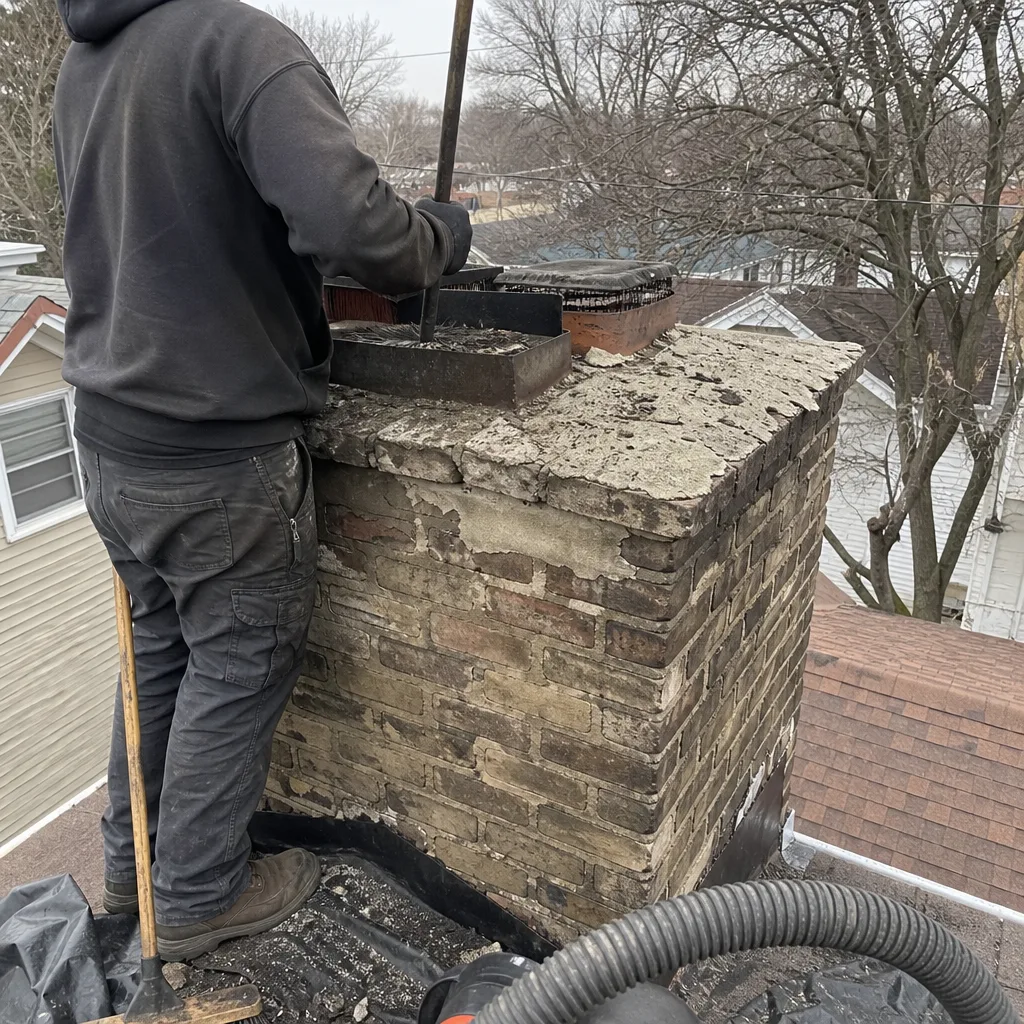 Before
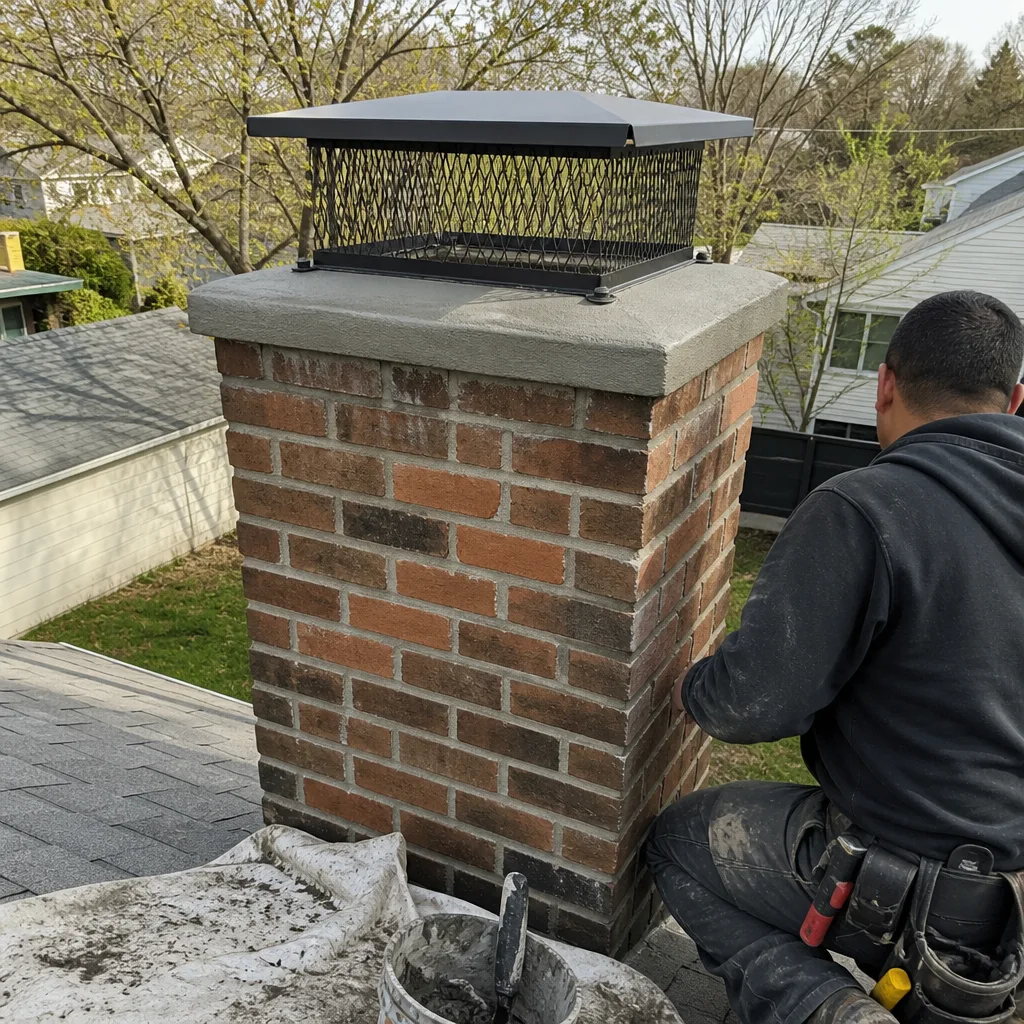 After
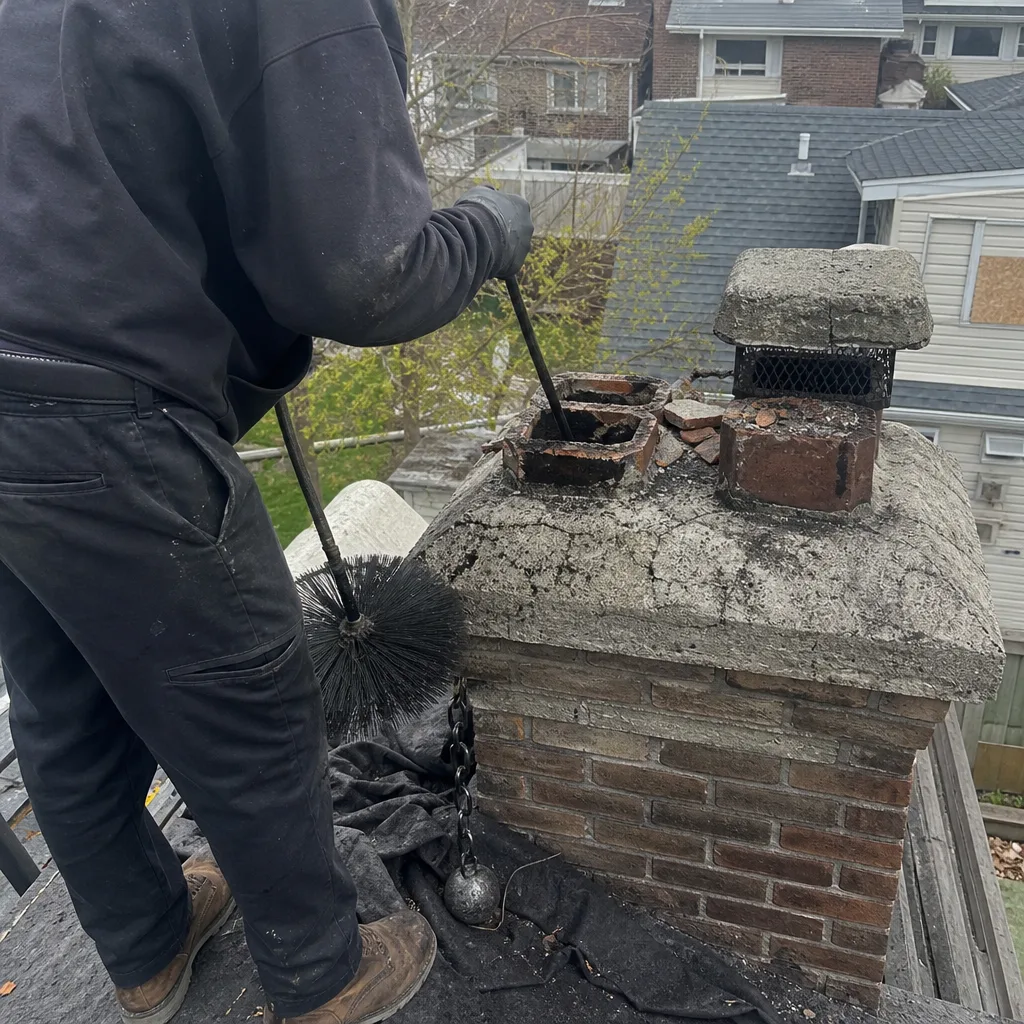 Before
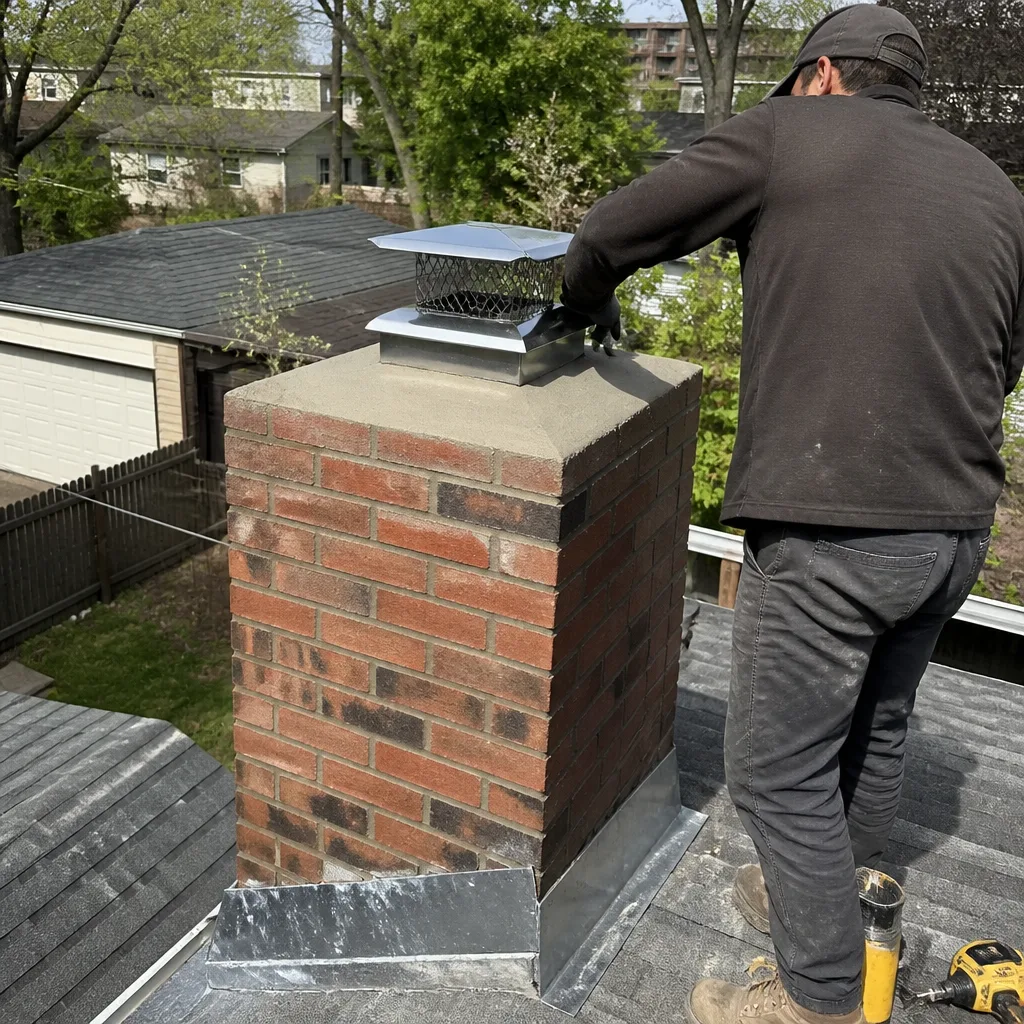 After
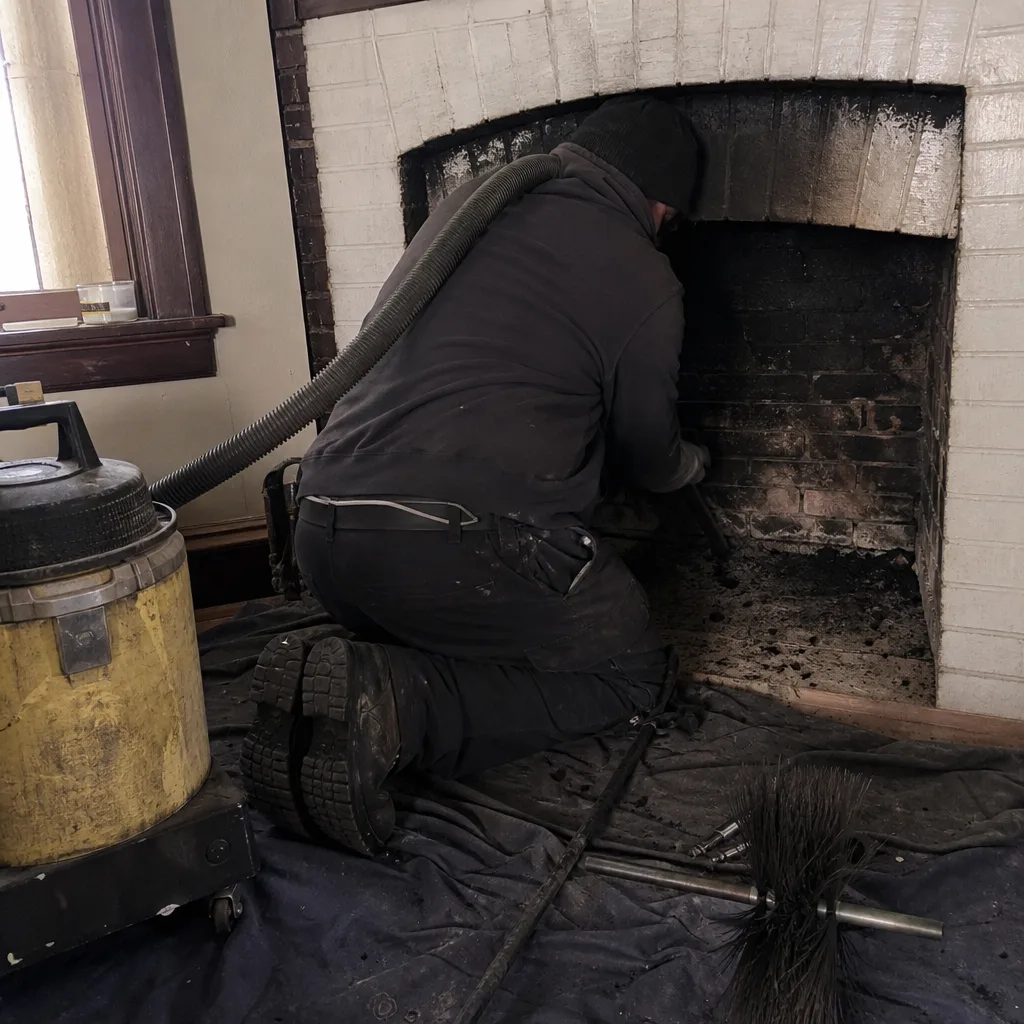 Before
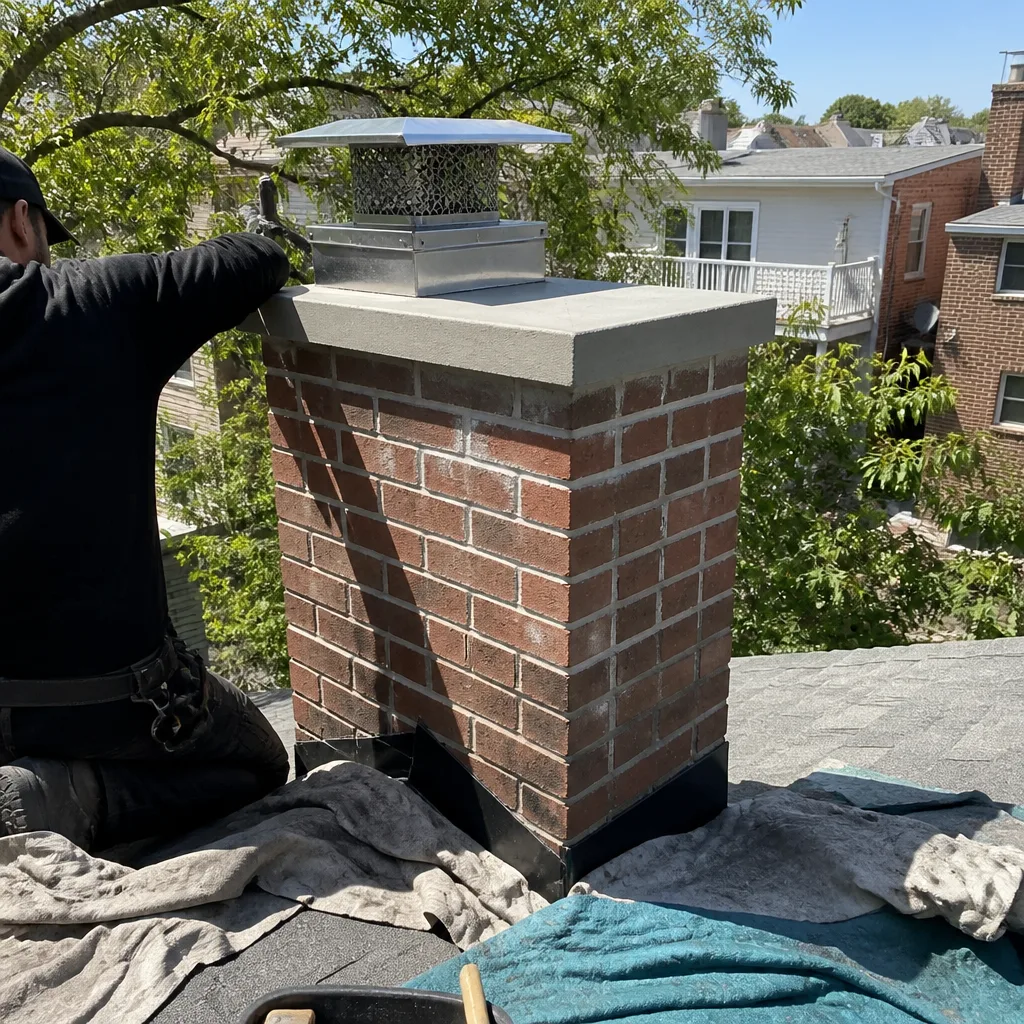 After