Last updated October 31, 2026
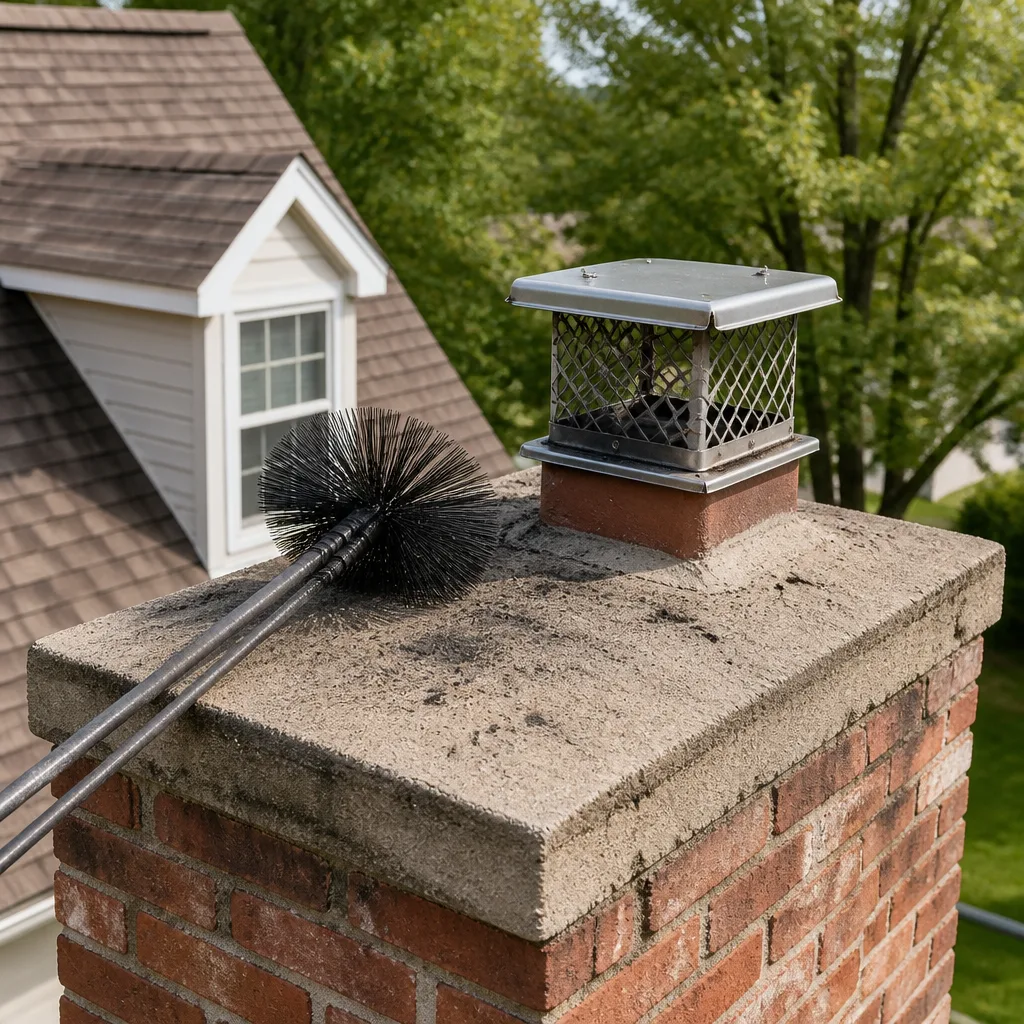 Sweep & inspection
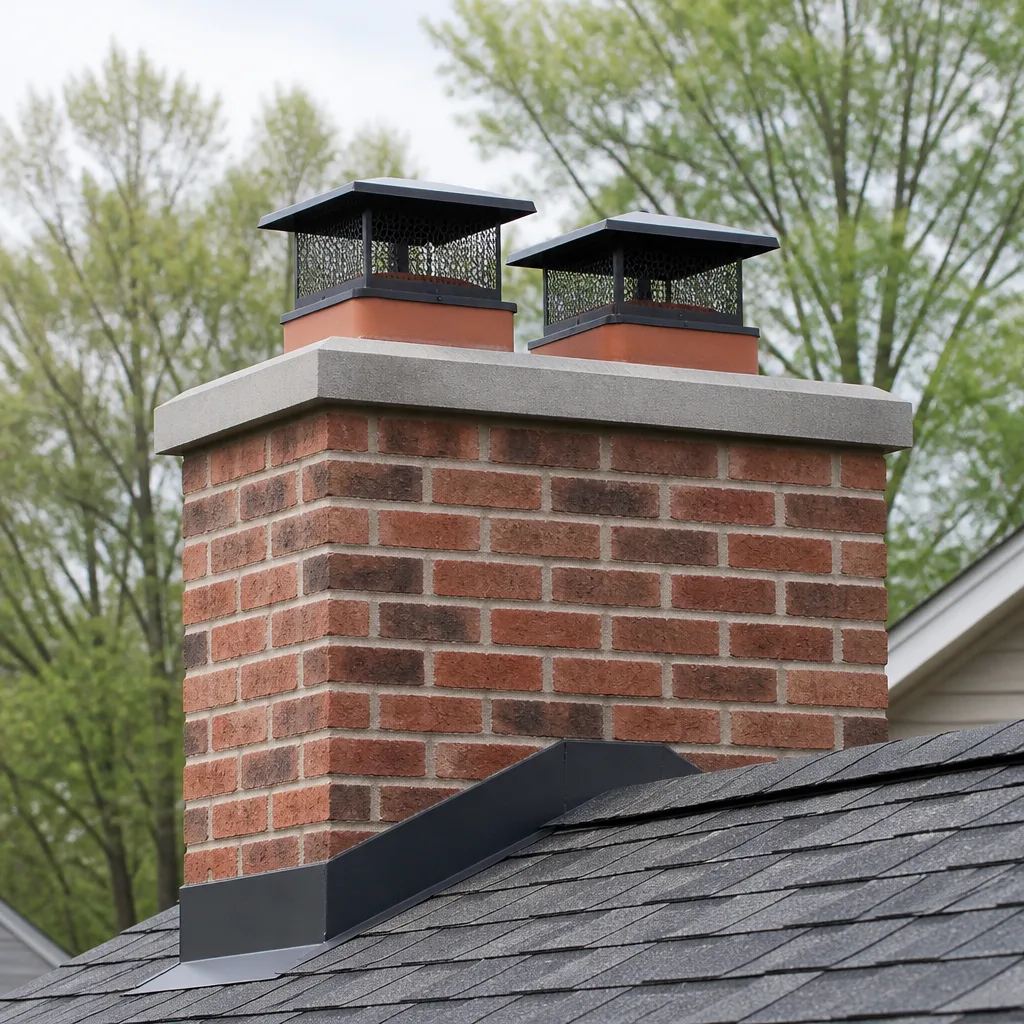 Caps & crowns
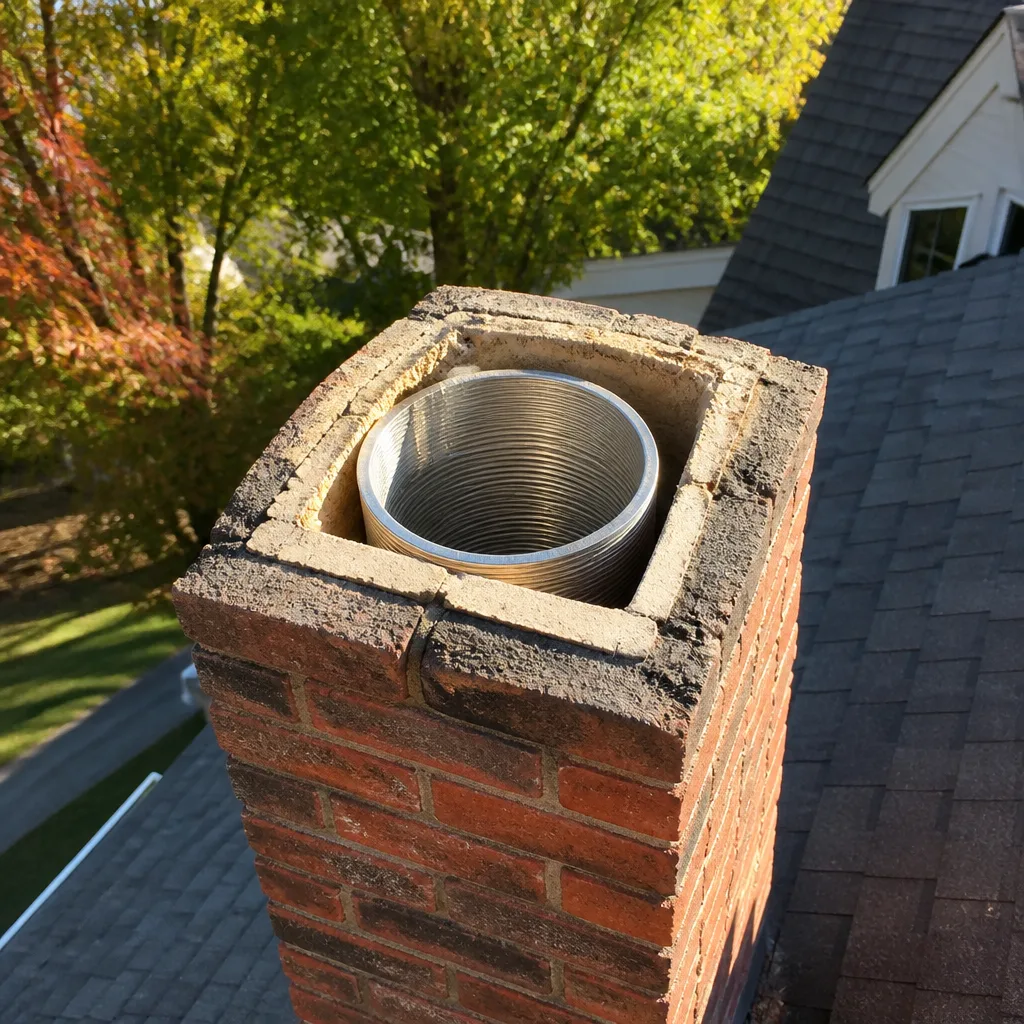 Flue relining
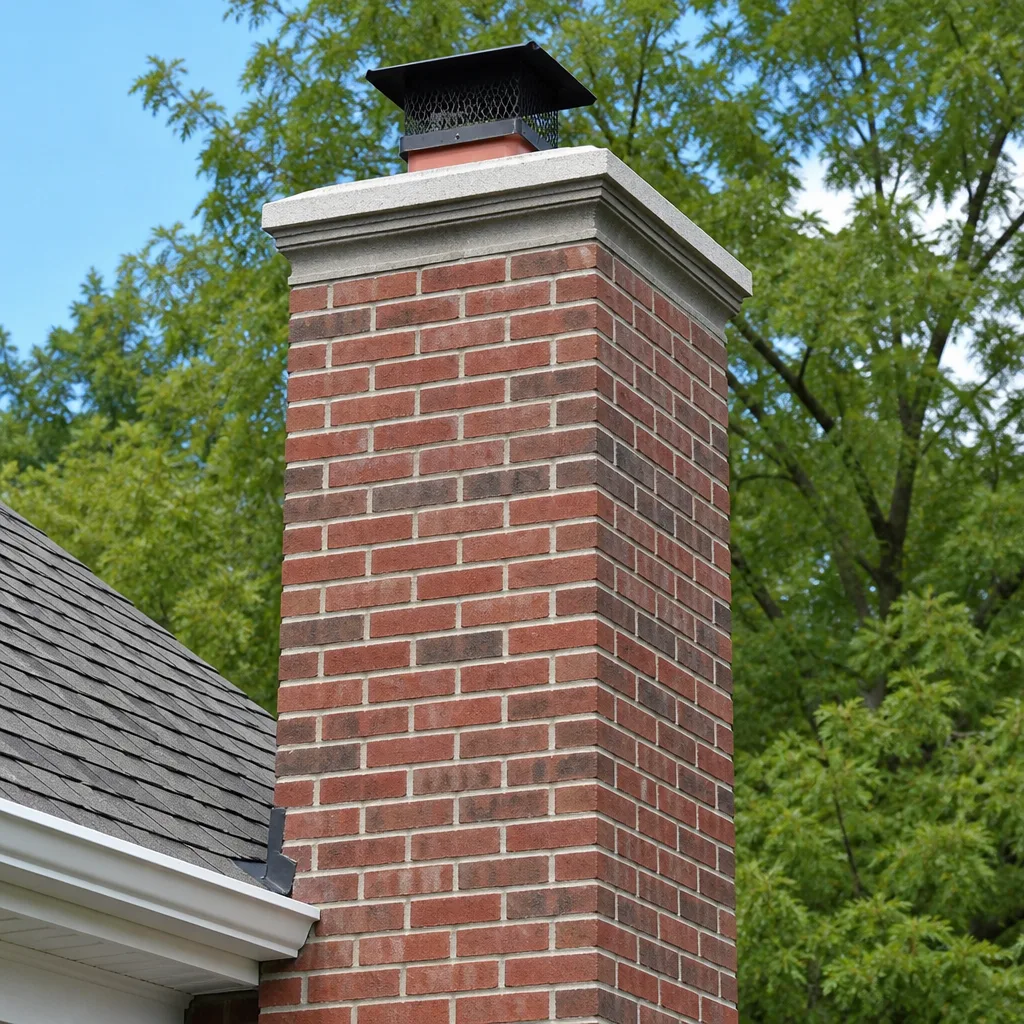 Masonry repair
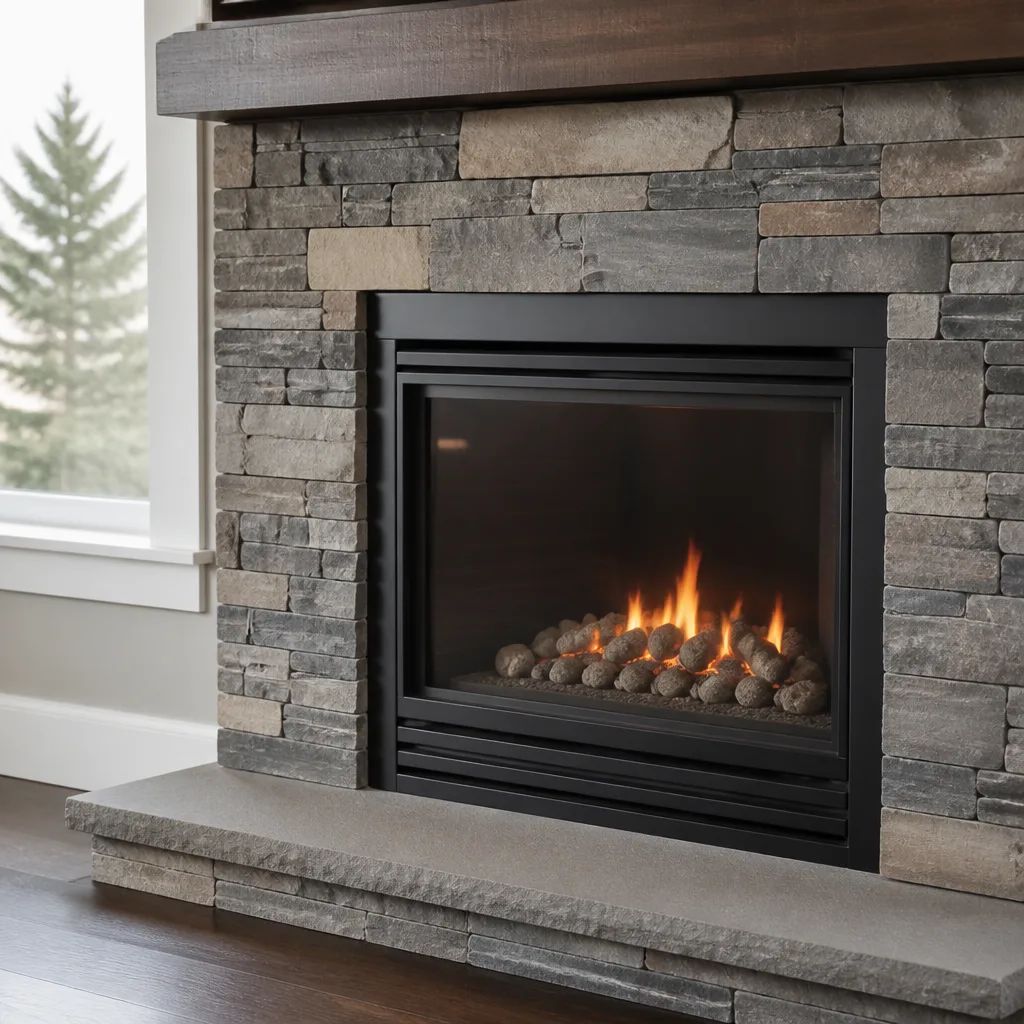 Gas fireplace service
Level 1 sweep and inspection to the NFPA 211 annual standard - flue, crown, cap, and flashing checked and photographed
Chimney sweep logs do not sweep chimneys. They loosen some creosote - which then falls where a brush and vacuum still have to collect it.
The Complete Guide to Chimney Cleaning in West Town
Most chimney fires don’t announce themselves with flames shooting from the rooftop. They burn slowly inside the flue liner, feeding on creosote deposits that build up over dozens of fires, and West Town’s row houses and greystones are especially vulnerable because shared walls can mask heat transfer until the damage is done. This guide is written for West Town homeowners who want to understand what actually happens inside their chimney, when it needs attention, and how to separate necessary work from unnecessary scare tactics. You’ll leave with a working knowledge of creosote, flue geometry, inspection levels, and why the age of your building matters more than most national guides acknowledge.
Quick Answer
Chimney cleaning in West Town typically costs between $189 and $389 for a standard sweep, depending on flue height, creosote stage, and whether the chimney has been serviced in the past two years. The process removes accumulated creosote, soot, and obstructions that can ignite or block venting, and the National Fire Protection Association recommends cleaning whenever creosote reaches 1/8 inch thickness, which for most active wood-burning West Town households means once per year. Schedule a sweep before your first fall fire, not after you notice smoke backing into the living room, because by then the creosote has already become a problem rather than a routine maintenance item.
Styles & brands we work with
Table of Contents
- What Creosote Actually Is (And Why West Town Homes Build It Faster)
- The Three Levels of Chimney Inspection: What NFPA 211 Actually Says
- Greystones, Brick Two-Flats, and Flue Geometry: What Your Building Type Changes
- Draft Problems in Taller West Town Buildings: When It’s Not a Cleaning Issue
- What a Professional-Grade Sweep Actually Does (And What Hardware-Store Kits Can’t)
- How to Read a Post-Service Report Without Getting Snowed
- Common Mistakes to Avoid
- When to Call a Professional
What Creosote Actually Is (And Why West Town Homes Build It Faster)
Creosote is not simply soot. Soot is a soft black powder that a brush can knock loose. Creosote is a tar-like residue that condenses from wood smoke as it cools on its way up the flue, and it comes in three stages. Stage one creosote is flaky and dusty, dark brown to black, and brushes off with standard sweeping. Stage two is granular and shiny, often resembling coffee grounds mixed with tar, and it requires more aggressive mechanical removal. Stage three is glazed and hardened, looks like baked-on black glass, and can require chemical treatment or mechanical rotary tools to break down before standard sweeping is possible. The difference matters because stage three creosote can ignite at roughly 2,000°F, and once it does, it burns like a rocket propellant inside your flue.
West Town’s housing stock accelerates creosote formation for three reasons most national guides never mention. First, our older masonry chimneys are uninsulated, which means flue gases cool faster than they would in a modern insulated stainless system, and cooling converts smoke particles into creosote deposits. Second, many of our greystones and brick two-flats have flues that were sized for coal burning a century ago, not the modern EPA-certified wood stoves homeowners install today. An oversized flue slows the draft, which means smoke lingers longer, which means more creosote drops out of suspension. Third, Lake Michigan wind patterns create pressure fluctuations around taller chimney stacks, causing irregular draft that periodically stalls smoke inside the flue instead of venting it cleanly.
We’ve swept West Town chimneys where a homeowner burned the same species of wood as a friend in a suburban subdivision and produced twice the stage two creosote in a single season. The difference wasn’t the wood, the stove, or the operator. It was the building: a 1910-era greystone with an unlined masonry flue, a rebuilt chimney cap from the 1980s, and a roofline that catches wind from the lake in a way that backs smoke up on cold days. This is why a generic national advice article telling you to “burn seasoned hardwood and clean annually” misses half the equation. Your chimney’s age, geometry, and exposure determine creosote accumulation as much as your burning habits do.
Brightway Chimney Sweep home is where you can find our full service area and what to expect from a professional sweep in a greystone or brick two-flat.
The Three Levels of Chimney Inspection: What NFPA 211 Actually Says
NFPA 211, the standard on chimneys and fireplaces, defines three levels of chimney inspection. Understanding them matters because “a chimney cleaning” in West Town often means different things depending on which level the sweep performs, and homeowners who don’t know the difference can pay for a level one inspection thinking they got a complete structural evaluation.
Here is what each level involves, in plain language:
- Level 1: A visual examination of readily accessible areas of the chimney, including the fireplace, the damper, the flue interior from above and below with basic tools, and the exterior chimney cap. This is performed during every routine sweep and is sufficient when the chimney has not changed use and has been swept within the past year. For most West Town homeowners with a wood-burning fireplace that was swept last season, a level 1 is appropriate.
- Level 2: Everything in a level 1, plus visual inspection of the flue interior using specialized video scanning equipment, and an examination of accessible attics, crawlspaces, and basements where chimney structure passes through. NFPA 211 requires a level 2 inspection after any change to the chimney system, which includes relining, replacing an appliance, adding a fireplace insert, or after a chimney fire. It is also required when a property changes hands, which makes it the standard for West Town home sales. If you bought a greystone in the last few years and have never had a video scan of the flue interior, a level 2 is the only way to know the liner is intact behind the masonry.
- Level 3: A level 2 plus removal of building components to access concealed areas of the chimney. This happens when a level 2 scan reveals damage that cannot be fully assessed without opening a wall, removing a portion of the chimney crown, or accessing a chase. Level 3 inspections are rare and are usually performed only after a chimney fire or when a structural crack is suspected inside a shared wall between row houses.
After a West Town winter, a level 1 is generally what you receive with a standard sweep. The freeze-thaw cycles our chimneys endure are hard on masonry: water seeps into microcracks in the brick, freezes, expands, and slowly widens the fractures. A level 1 by itself cannot evaluate that damage. If you want to know whether winter weather actually compromised your flue liner, you need the video scan that comes with a level 2. Homeowners who renovate, install a gas insert, or purchase a West Town property should budget for level 2 as a matter of course.
Our Chimney Sweep in West Town service always includes a level 1 inspection as part of the sweep, and we will tell you plainly when a level 2 scan is warranted and when it can wait. Straight answers, no pressure.
Greystones, Brick Two-Flats, and Flue Geometry: What Your Building Type Changes
West Town is not a subdivision of identical houses. It’s a mix of 1890s greystones, pre-war brick two-flats, frame single-family homes from the early 20th century, and newer residential infill. Each building type talks to its chimney differently, and a homeowner who understands their structure can make smarter maintenance decisions.
Greystones, the limestone-fronted townhouses that give West Town much of its character, typically have interior masonry chimneys that run through the core of the building. The flues are tall, often unlined originally, and shared between floors when the building was constructed for a coal stove or fireplace on each level. The critical issue is offset: because these flues were built to serve multiple fireplaces stacked vertically at different positions, the passage inside the chimney is not a straight vertical shaft. It angles and offsets as it routes around structural framing and other flues. Every offset is a creosote collection point. A straight flue lets a brush pass through cleanly. An offset creates a shoulder where smoke eddies, slows, and deposits its tar residue. Greystone chimneys need sweeping more attentively than their shorter masonry counterparts, and they benefit most from the rotary tools and specialized rods a professional uses.
Brick two-flats, the workhorse housing type across West Town, present a different geometry. Many were built with a single flue serving one fireplace on the first floor and another on the second, each with its own damper, sharing a common chimney stack. When both fireplaces are used, the draw is competitive: whichever fire is hotter creates the stronger draft and can pull smoke from the other flue if dampers are weak or flue gases cool too quickly in a tall, uninsulated chase. This inter-unit dynamic is invisible to most national cleaning guides and is one reason a two-flat owner’s chimney may test fine when the sweep is there in summer, then backdraft into the second-floor unit when the first floor is burning hard in January.
Newer construction in West Town, the three-flat condos and renovated single-family homes built or rebuilt since the 1990s, generally has correctly sized insulated stainless liners that draft predictably. Their problems are different: the chimney sweeps clean but the cap screens clog with ice or leaf debris in fall storms, the damper warp from heat cycling, or the glass doors on the firebox seal poorly and send smoke into the room. We see fewer creosote emergencies in new construction and more draft and component failures.
This is why we always ask what kind of building you live in when you call to schedule a sweep in West Town. The question isn’t small talk. It changes which tools we bring and which flue problems we expect to find.
Draft Problems in Taller West Town Buildings: When It’s Not a Cleaning Issue
A weak draft in a three-story greystone often gets blamed on creosote, and the homeowner schedules a sweep, and the sweep doesn’t fix the problem because creosote wasn’t the problem. Draft issues in taller buildings like those common in West Town have at least six potential causes, and only one of them is fixed by brushing the flue.
- Creosote restriction: A heavy buildup narrows the flue and slows the draft. This is what a sweep fixes.
- Cold flue reverse: Cold air sinks down an uninsulated masonry flue and overpowers the weak updraft from a small fire. This is a physics problem, not a cleaning problem. Preheating the flue with a lit newspaper before starting the fire often solves it.
- Negative interior pressure: Tightly sealed West Town homes, especially after a renovation with new windows and spray-foam insulation, starve a fireplace of combustion air. The chimney cannot draw well because the house is not letting air in. The fix is a makeup air source, not a sweep.
- Wind loading: Tall rooflines and close neighboring buildings create downdrafts and pressure eddies near the chimney cap. The fix is often a specialized cap, not a cleaning.
- Structural offset blockage: A partial interior collapse of an old unlined flue, or a dislodged section of clay tile liner, creates a physical dam that slow-burning smoke cannot bypass. A video scan identifies this; a sweep alone cannot fix it.
- Damper issues: A damper that does not fully open, or a throat damper installed backward, mimics poor draft exactly. This is adjusted with basic tools, not a chimney brush.
The cost-effective way to sort a draft problem in a taller West Town building is to have a sweep or inspection first, confirm whether there is a creosote restriction, and then work through the other causes methodically. Paying for a sweep when the flue is already clean does nothing for a cold flue reverse or a wind-loaded cap. A competent chimney professional will tell you when the symptom points to masonry repair or a cap change instead of booking you for a brush pass. That kind of straight answer is the difference between maintenance and waste.
When we encounter this scenario, we often find the cheapest first fix is not cleaning but a cap or a small air-sealing change. We’d rather tell you that than take your money for a sweep that won’t change anything.
What a Professional-Grade Sweep Actually Does (And What Hardware-Store Kits Can’t)
Hardware stores sell chimney cleaning kits: a fiberglass rod set, a brush, and a set of instructions that imply the work is straightforward. For a short, straight, single-story flue with light stage one creosote and easy roof access, that can be true. For West Town’s flue geometry, it usually is not. Here is what professional sweeping involves and why the tools differ.
Rod selection matters. Professional sweeps carry multiple rod types because different flue conditions demand different flexibility. Polypropylene rods flex enough to follow the offsets in old greystone flues. Fiberglass rods are stiffer and better for straight vertical sections. A hardware-store kit gives you one rod type, and if your flue has an offset or a tight turn, that rod either jams or fails to deliver enough pressure against the creosote shoulder to do real work. We’ve seen twisted and snapped retail rods pulled out of flues where they bound in an offset and the homeowner could not retrieve them.
Brush sizing is not one-size. A brush too small for the flue leaves creosote untouched on two sides. A brush too large jams and can damage clay tile liners. Professional sweeps size the brush to the flue’s exact dimensions, and when the flu has an unusual shape, like the rectangular passage behind some older West Town fireplace dampers, they use a brush designed for that cross-section. The universal-fit brushes in retail kits are a compromise that leaves residue in corners and on offset shoulders.
Mechanical rotary equipment handles stage two and three creosote. Glazed creosote does not brush off. It has to be broken down. Professional sweeps use rotary loops and chains driven by a drill, which pulverize hardened creosote without damaging the liner underneath when used correctly. This equipment costs hundreds of dollars and requires technique to run safely in a fragile old flue. No retail kit includes it, and no YouTube video teaches the feel of a rotary loop against a 100-year-old terra cotta liner.
Sweeping is only one part of the service. A proper professional sweep includes damper inspection and adjustment, smoke shelf cleaning, firebox inspection, cap and crown examination, and a report of what was found. The brush work matters, but the value is in the diagnosis that surrounds it. We use materials and tools from professional trade suppliers like Olympia Chimney, Famco, and Copperfield rather than retail equivalents, because the difference shows up in durability and precision when you’re working inside a flue that cannot be reached by hand.
Chimney repair in West Town is the service that follows when a sweep uncovers damage that brushing cannot address, and having the same contractor handle both means no handoff to a masonry crew you’ve never met.
How to Read a Post-Service Report Without Getting Snowed
A good sweep leaves you with more than a clean chimney. They leave you with a written or photographed record of what they found, and knowing how to read that report protects you from two failure modes: unnecessary liner replacement recommendations, and real hazards being waved off as routine.
Here’s how we break down the key findings on our post-service reports, and what they mean for your next step:
- “Light creosote” under 1/8 inch: This is the normal result of a season of burning. It brushes off easily and means annual sweeping is sufficient. No action beyond scheduling next year’s sweep.
- “Stage two creosote, moderate accumulation”: This means the creosote was granular and required mechanical effort to remove. It suggests longer burning times, softer woods, or a flue that cools smoke faster than average. Action: consider sweeping every six months, and review your burning practices with the sweep.
- “Stage three glazed creosote”: This is a hazard flag. Glazed creosote is fuel-rich and can ignite. If it was removed, the report should say so and describe the method. If it could not be fully removed, the report should state that explicitly and recommend follow-up chemical treatment or another mechanical pass. Do not light a fire until this is resolved.
- “Hairline cracks in tile liner”: Single hairline cracks are common in old Chicago flues and are often repairable with a HeatShield ceramic resurfacing treatment rather than full liner replacement. The question to ask is whether the crack penetrates the full thickness of the tile or is superficial. A video scan answers this. Do not let a verbal “you need a new liner” recommendation from any contractor substitute for camera footage you can watch yourself.
- “Offset area: residue retention”: This tells you the sweep had difficulty fully cleaning a shoulder in an offset flue. The solution may be more aggressive rotary cleaning next visit, or it may signal that the offset is too severe for a brush and alternative access is needed. Ask for the video again.
The phrase to be cautious around is “you need a new liner” without accompanying camera documentation. Liners do fail, and DuraFlex stainless systems are the professional standard when replacement is necessary. But a verbal recommendation unsupported by scan footage is a red flag. We show every West Town customer their own chimney’s scan before recommending any repair, because nothing builds trust like seeing the evidence for yourself.
Common Mistakes to Avoid
- Burning unseasoned wood because it was cheap. Wet wood produces more smoke and cooler flue gas, which means more creosote per fire. In a greystone flue with an offset, that creosote lands exactly where it’s hardest to remove. Buy wood a year ahead and let it season, or buy kiln-dried from a supplier who can tell you the moisture content.
- Skipping sweeps on a gas insert because “gas doesn’t make creosote.” Gas inserts may not produce creosote, but they still vent through an existing flue that collected creosote from decades of wood burning before the insert was installed. That residual creosote can ignite, or the flue can block from bird nests and debris. Gas appliances still need annual inspection.
- Using a hardware-store sweep kit on a 3-story flue with an offset. The rod binds, the brush misses the shoulders, and you end up with a false sense of safety plus a flue that still needs professional work. The money and afternoon you spent would have paid for most of a professional sweep.
- Painting or sealing over a water-damaged chimney chase on an interior wall. This hides the symptom while the freeze-thaw cycle keeps working inside the masonry. If you see staining, efflorescence, or damp patches near a chimney chase in your West Town unit, get the flue inspected, not repainted.
- Waiting until fall to book a sweep. Every West Town chimney company is booked from September through November. Sweep in the spring after your last fire, and you’ll have your choice of appointment times, lower seasonal demand, and a clean chimney ready for the first cold snap.
- Assuming a new house means a sound chimney. Renovations in West Town often remove a fireplace on one floor without properly capping or sealing the abandoned flue. The result is hidden deterioration you won’t see until a level 2 scan reveals it. New to you is not the same as sound.
When to Call a Professional
You need a chimney professional when creosote has reached stage two or three, when you’ve had a chimney fire of any size, when a renovation or appliance change has altered the chimney system, when a new home purchase requires a level 2 inspection, when you smell smoke inside the house after a fire, or when you simply haven’t had the flue serviced in two or more years. A professional sweep in West Town also provides the documentation your home insurer may ask for after a fire claim, and that documentation carries more weight when it comes from a contractor who follows NFPA 211 procedures. Brightway Chimney Sweep offers free estimates in West Town, and our Chimney Sweep in West Town service is the starting point: a thorough sweep, an honest assessment, and a clear report of what was found. Call (833) 365-6591.
See the difference
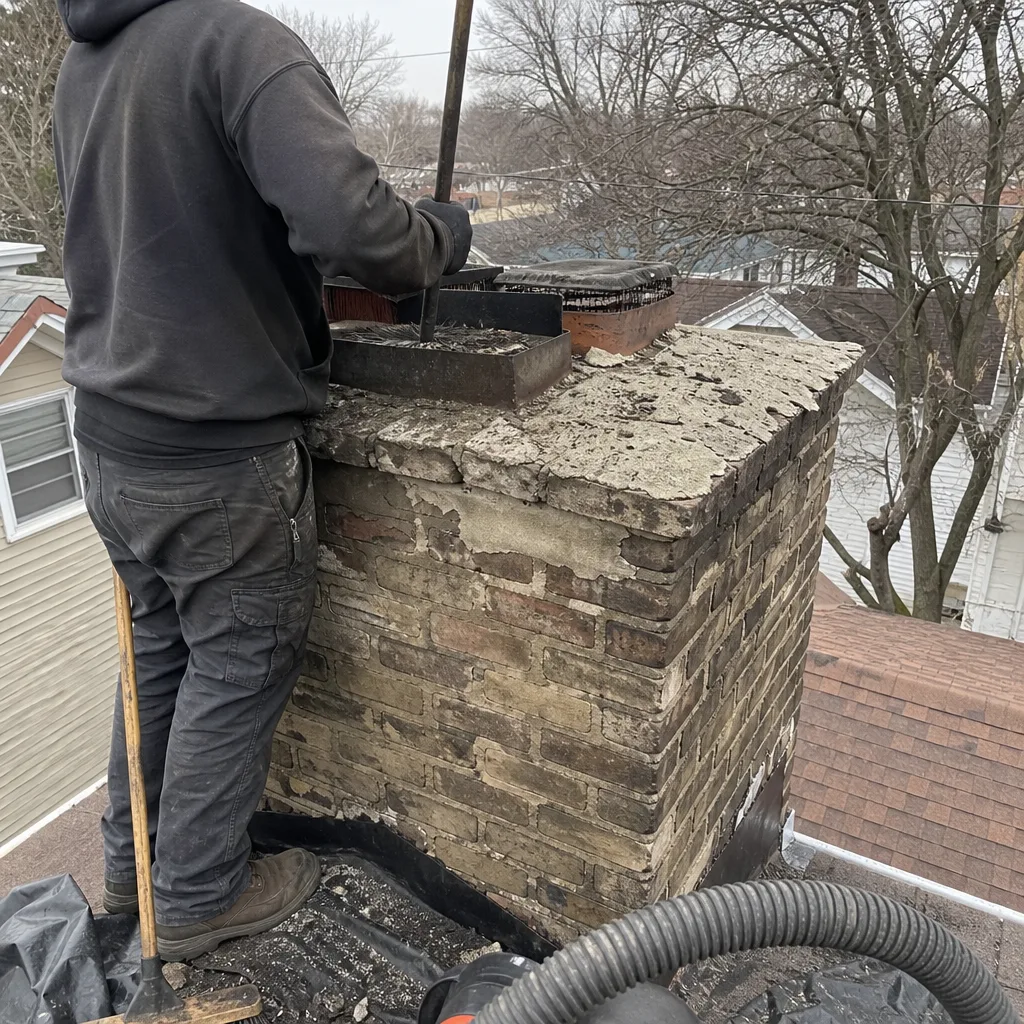 Before
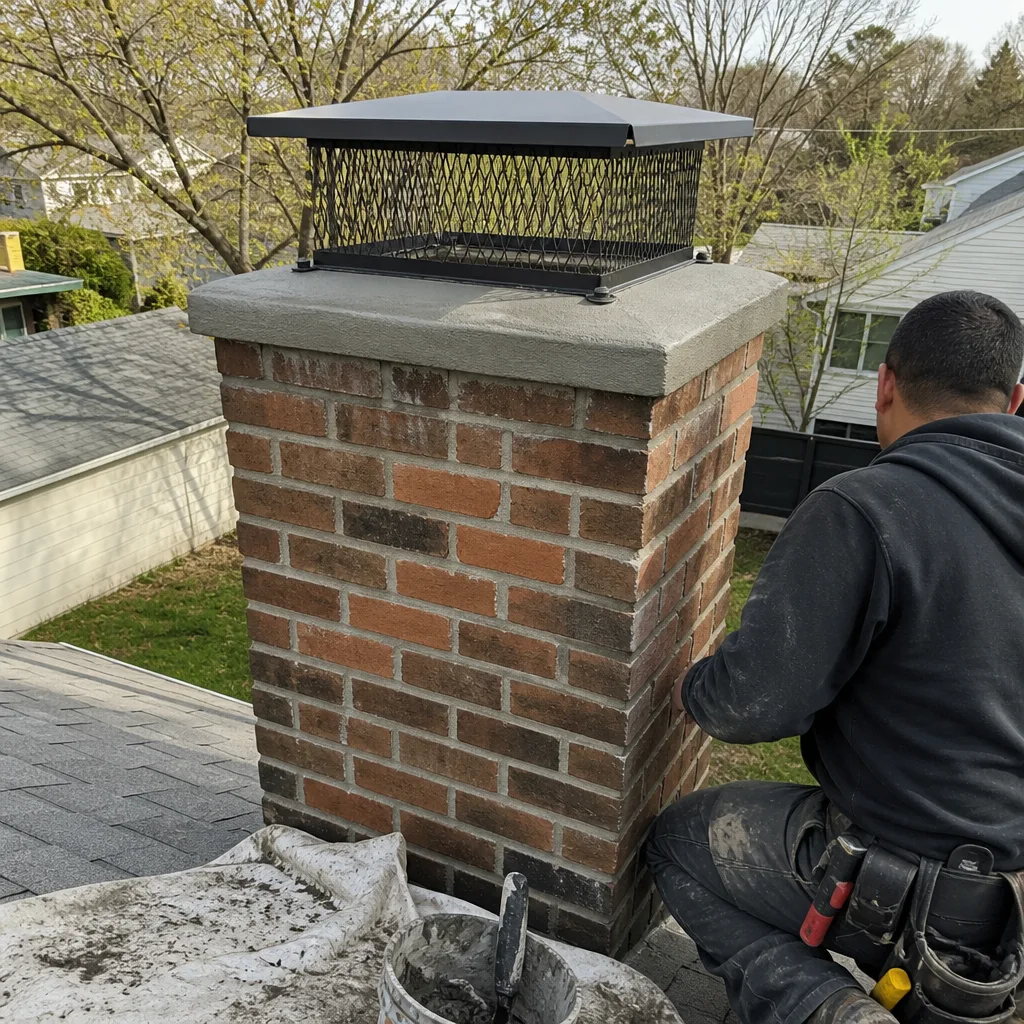 After
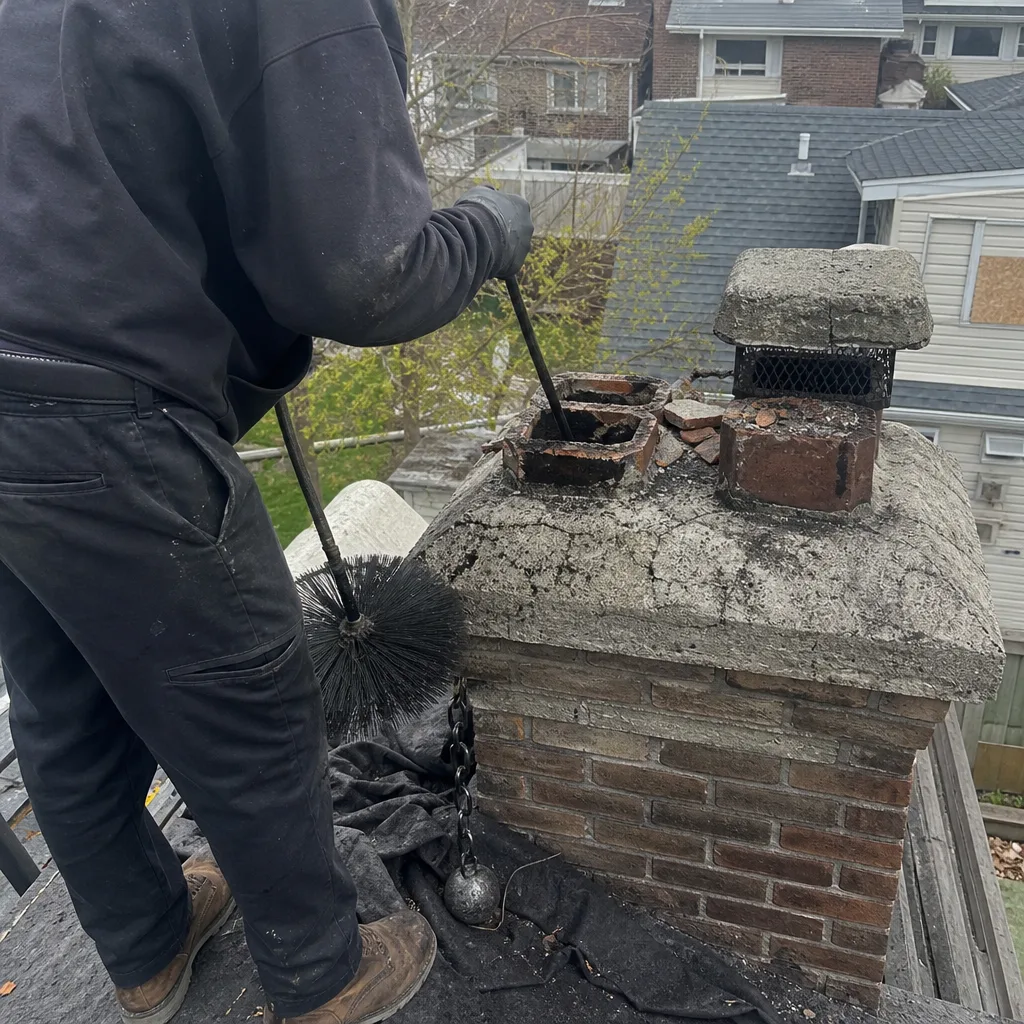 Before
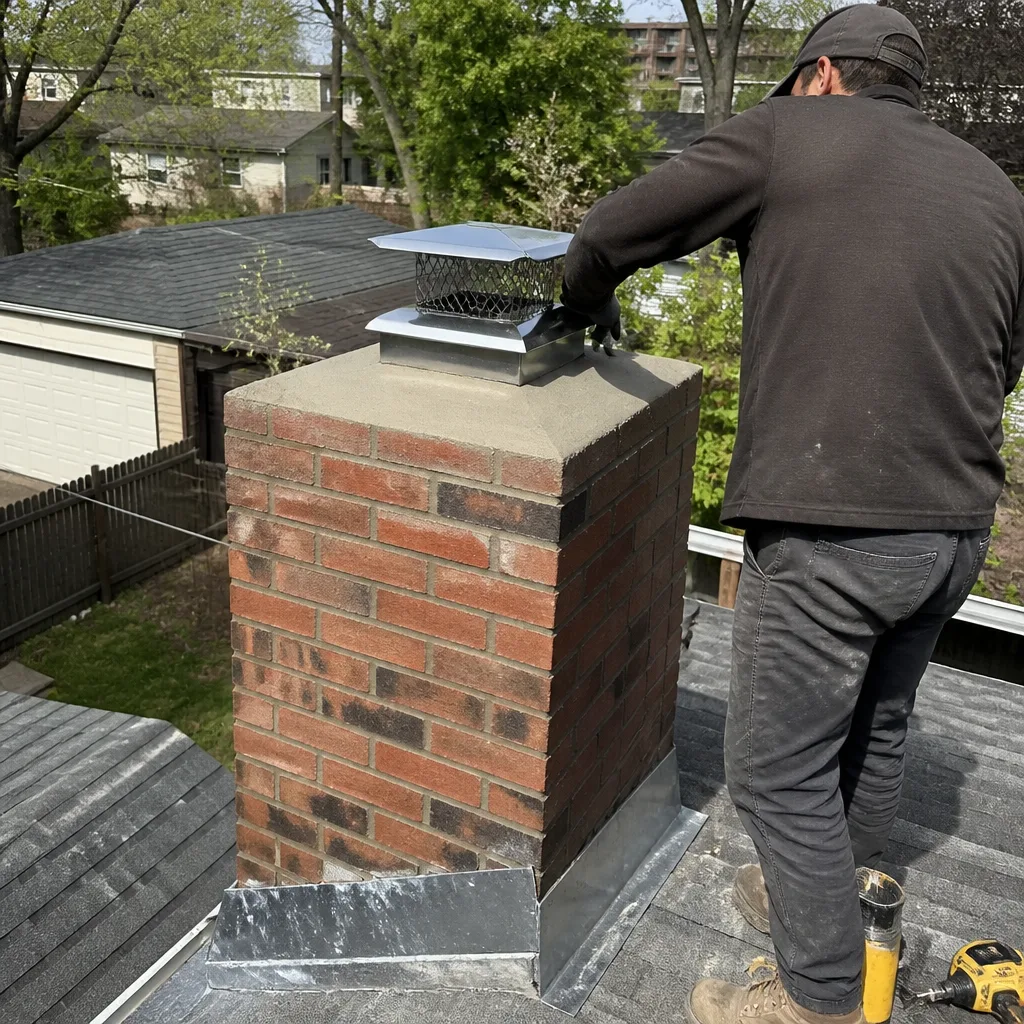 After
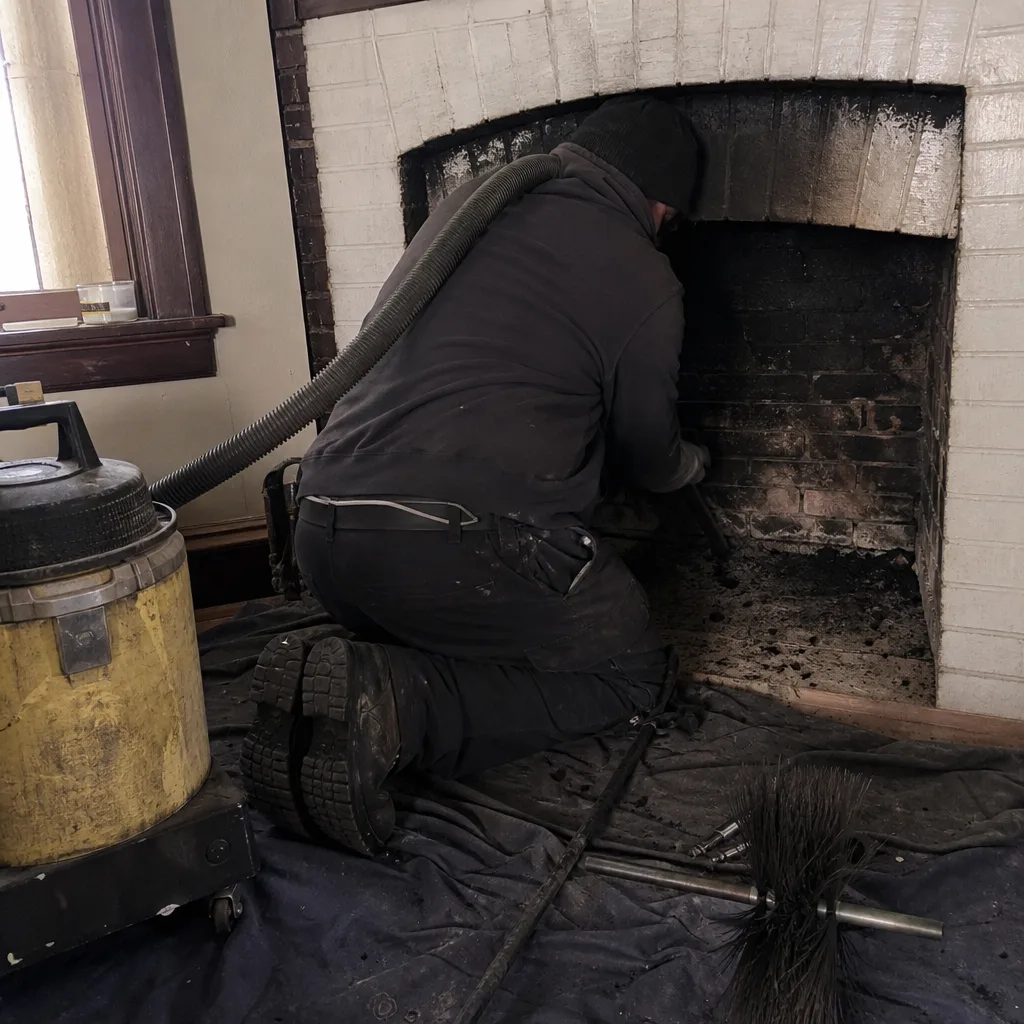 Before
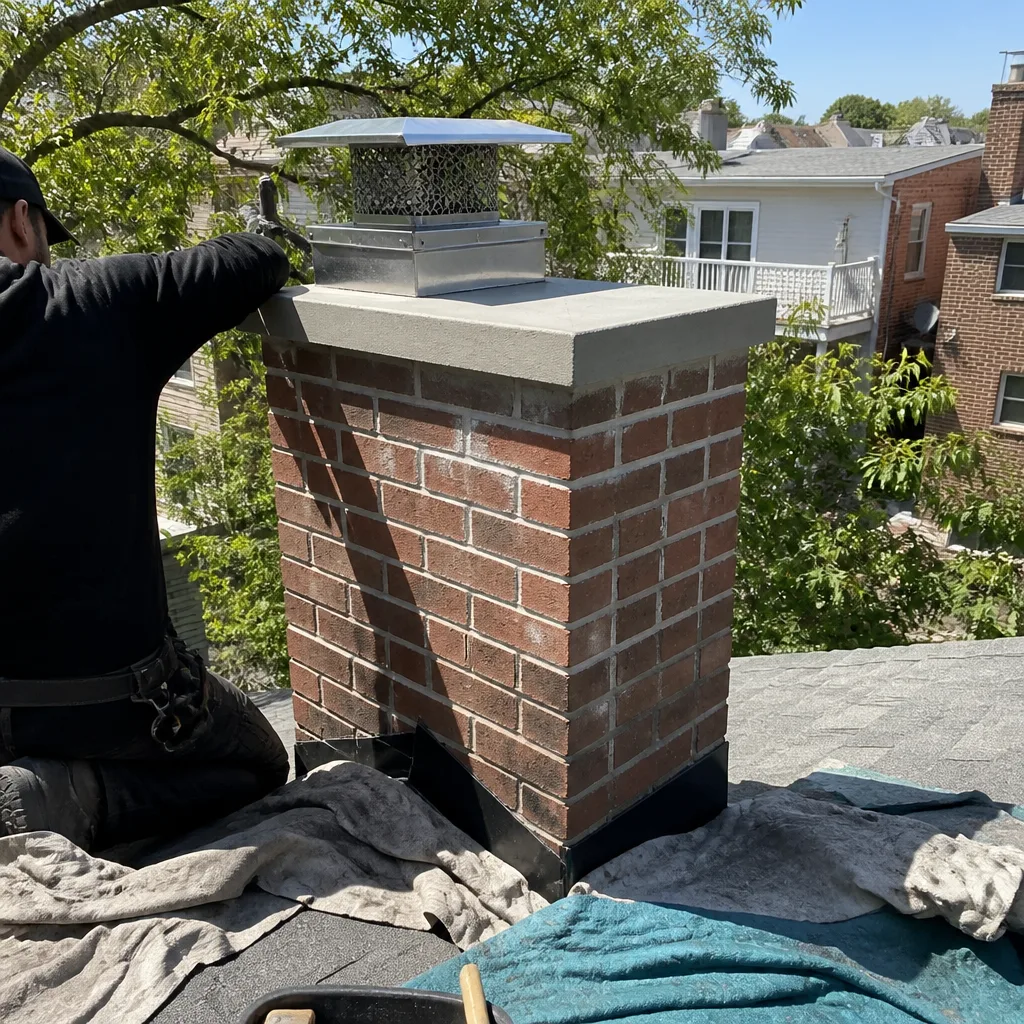 After
Frequently Asked Questions
A standard chimney sweep in West Town runs from $189 to $389 for a single flue, depending on height, creosote stage, and whether the chimney has been serviced recently. Homes with multiple fireplaces, taller greystone chimneys, or stage two or three creosote that requires mechanical removal will fall at the higher end. Call (833) 365-6591 for an exact quote, and estimates are free.
The NFPA standard is to sweep whenever creosote accumulates to 1/8 inch or more, which for most wood-burning households in West Town means once per year if you burn regularly, and once every two years if the fireplace sees occasional use only. Our greystones and brick two-flats with uninsulated flues tend to build creosote faster than newer construction, so annual service is the safer default. Call (833) 365-6591 to schedule a sweep at the end of your burning season.
Yes, gas fireplaces and inserts still need annual inspection and periodic cleaning, because they vent through existing flues that may contain old wood-burning creosote deposits, animal nests, or debris from the chimney’s previous life. Gas itself doesn’t create creosote, but it still produces acidic condensation that can deteriorate masonry flues over time. A professional can determine whether your gas vent is clear and safe in a single visit. Call (833) 365-6591 for a free estimate.
You can attempt it if you have a short, straight flue with easy roof access and light creosote, but West Town’s taller greystones and offset flues make retail cleaning kits ineffective and occasionally dangerous, especially when rods bind in tight turns. The fall off a three-story roof or the structural damage from a jammed brush exceeds what a professional sweep charges. Call (833) 365-6591 and we’ll give you a straight answer on whether your flue is a candidate for DIY or professional work.
A sweep removes creosote and soot and includes a level 1 visual check of accessible areas. A level 2 inspection adds video scanning of the flue interior and examination of attics, crawlspaces, and other concealed areas where the chimney passes through the structure. If you’ve purchased a West Town home, renovated, changed appliances, or had a chimney fire, NFPA 211 requires a level 2. Call (833) 365-6591 to schedule one.
Chimney relining in West Town typically costs between $2,500 and $5,500 for a standard single-flue stainless liner system like DuraFlex, depending on flue height, access difficulty, and whether masonry repair is needed alongside the liner. Alternatives like HeatShield ceramic resurfacing can restore some flues at lower cost than full replacement, but the right answer depends on what the video scan shows. Call (833) 365-6591 for an evaluation and a written quote.
The Bottom Line
Chimney cleaning in West Town is a building-specific job. Your greystone’s offset flues accumulate creosote differently than your neighbor’s newer three-flat. Your brick two-flat’s shared chimney stack creates draft interactions that a subdivision house never deals with. The right maintenance schedule, the right inspection level, and the right repair decisions all follow from understanding your particular chimney, not from following generic national advice. A professional sweep that includes a clear post-service report, honest findings, and camera documentation when repairs are recommended is the difference between staying ahead of a chimney fire and discovering it the hard way. Brightway Chimney Sweep provides chimney sweeping in West Town, chimney repair, and dryer vent cleaning with one contractor, start to finish, using trade-grade materials from professional chimney supply brands. Call (833) 365-6591 for a free estimate.
Written by the team at Brightway Chimney Sweep, serving West Town since 2016.