
Last updated October 31, 2026
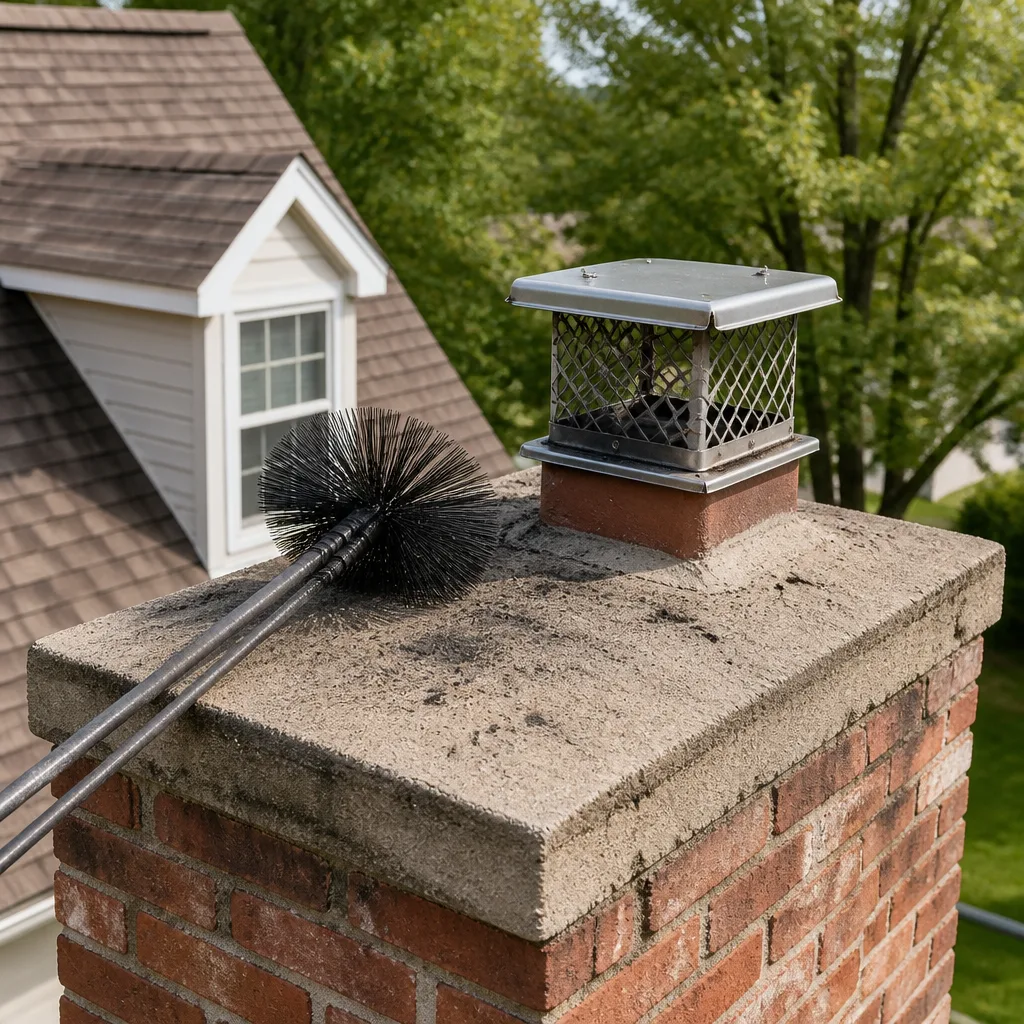 Sweep & inspection
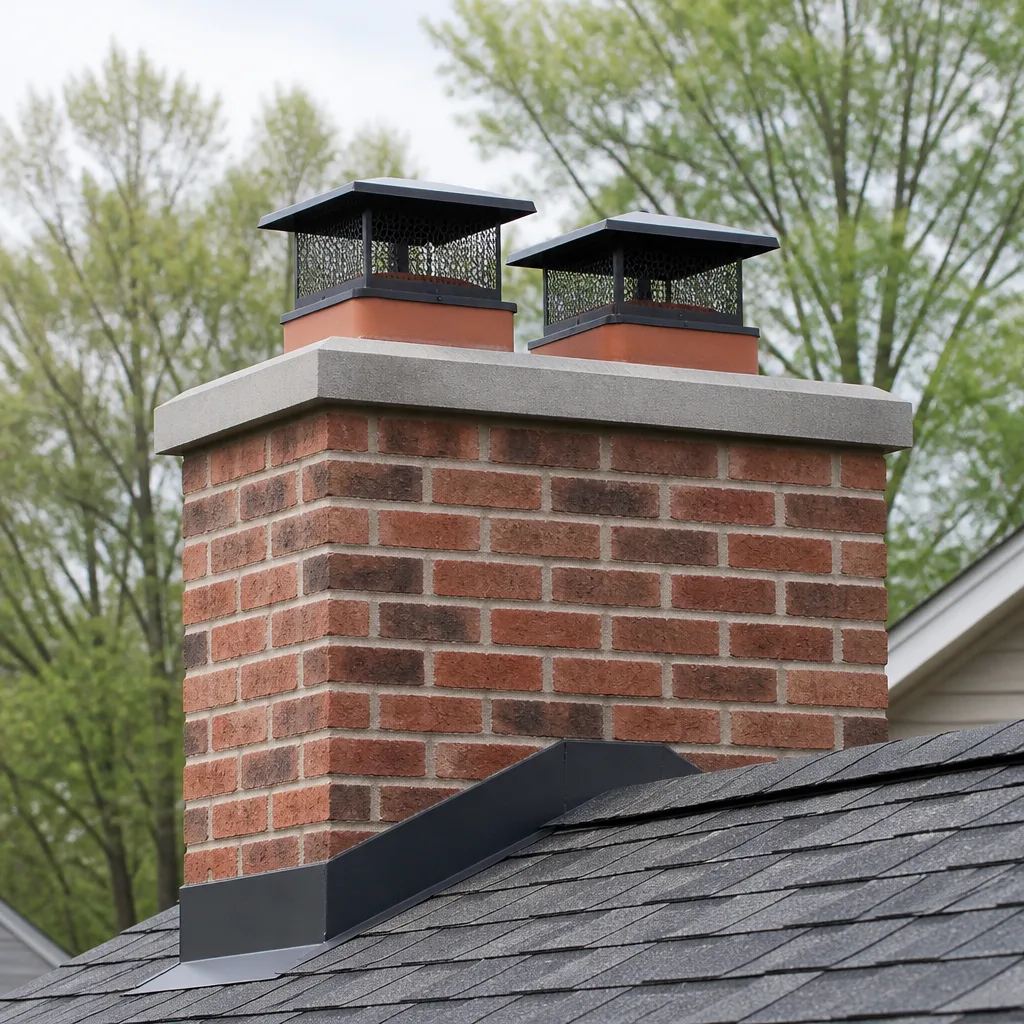 Caps & crowns
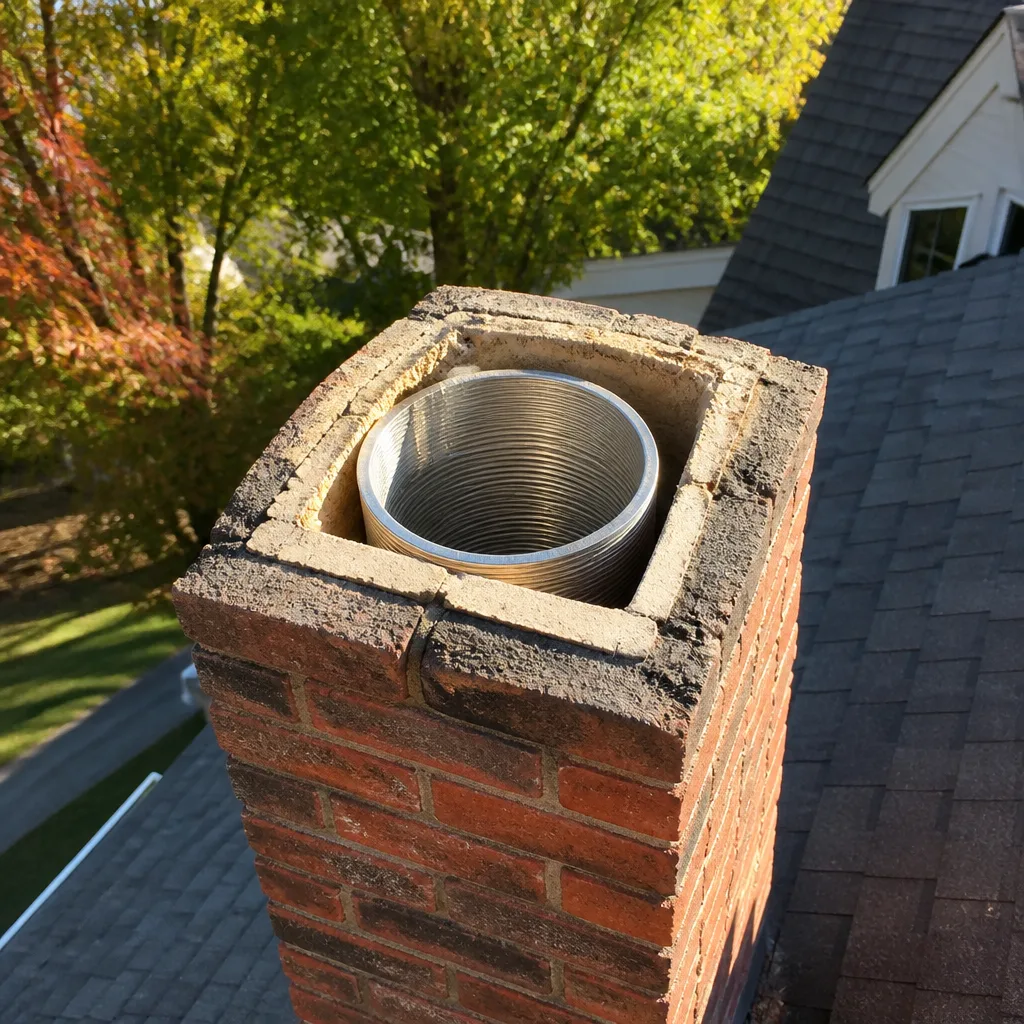 Flue relining
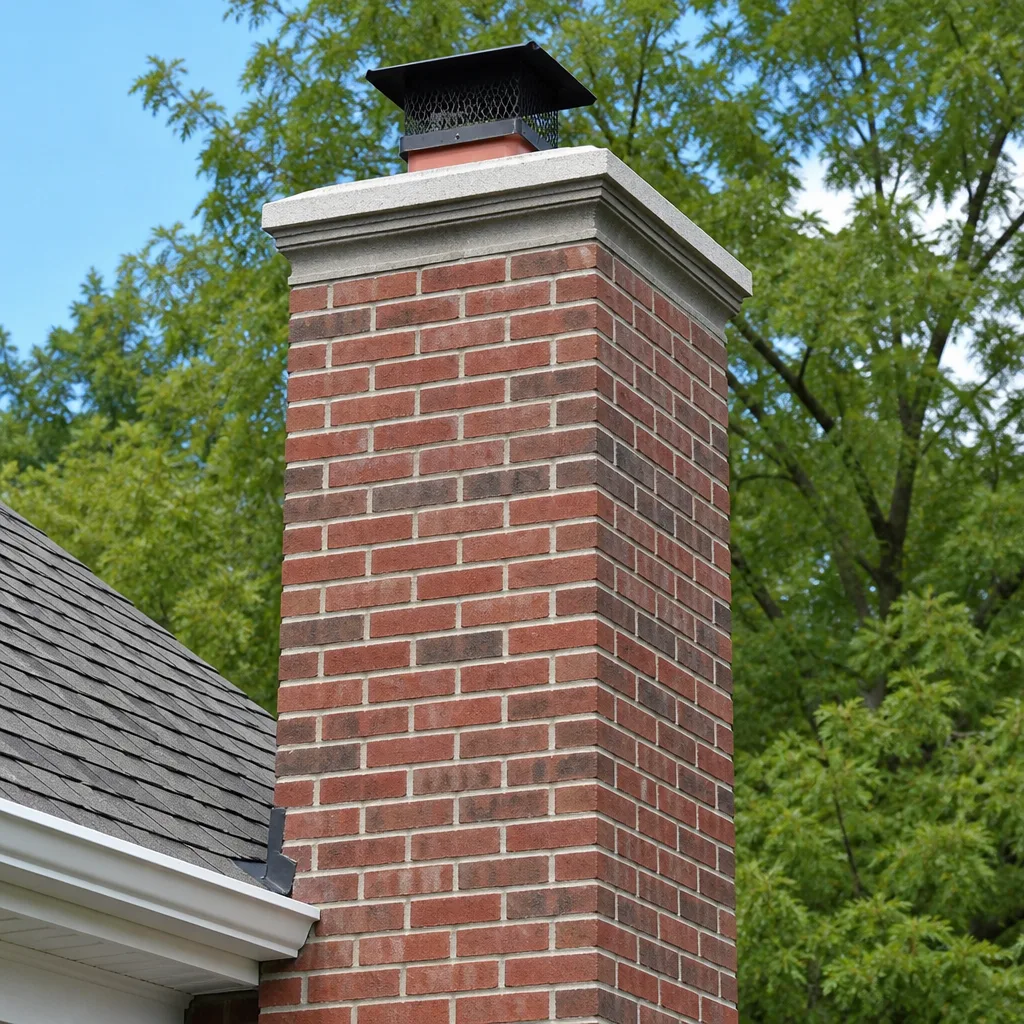 Masonry repair
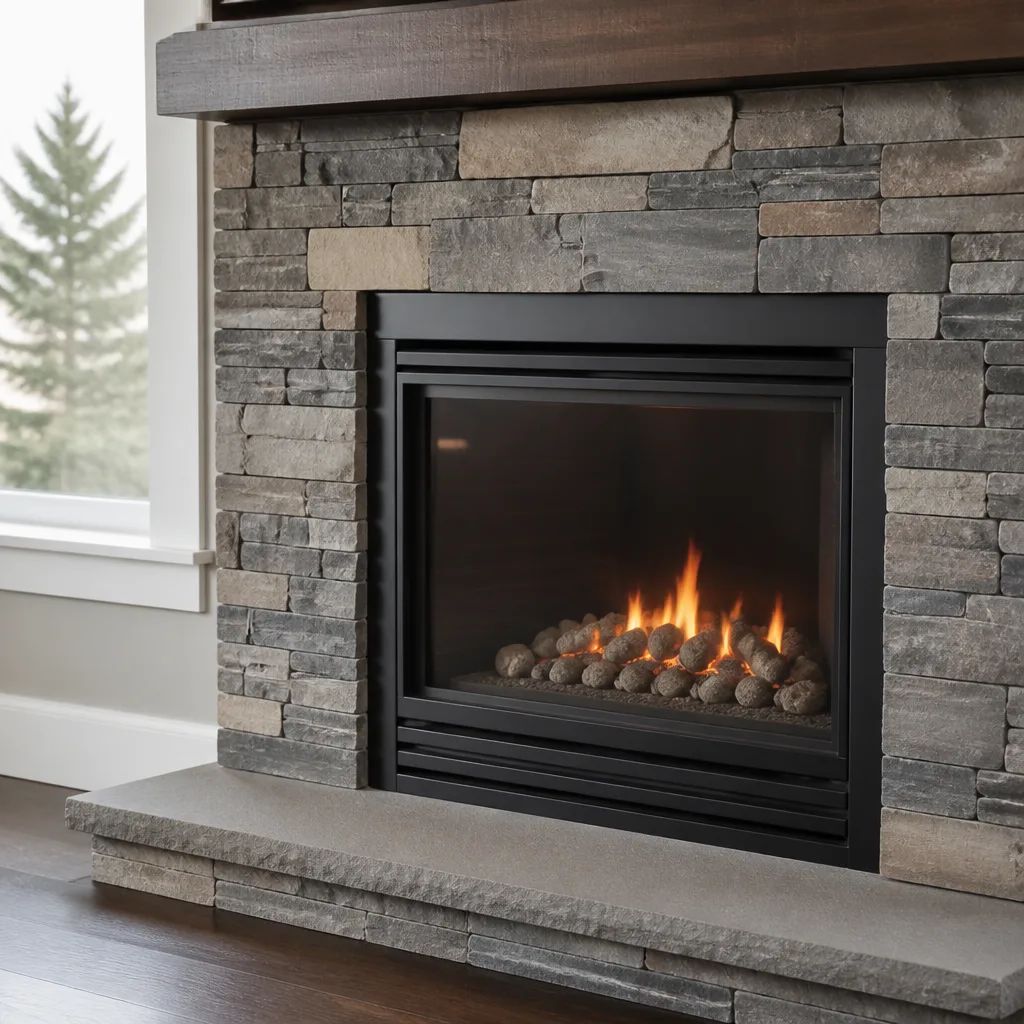 Gas fireplace service
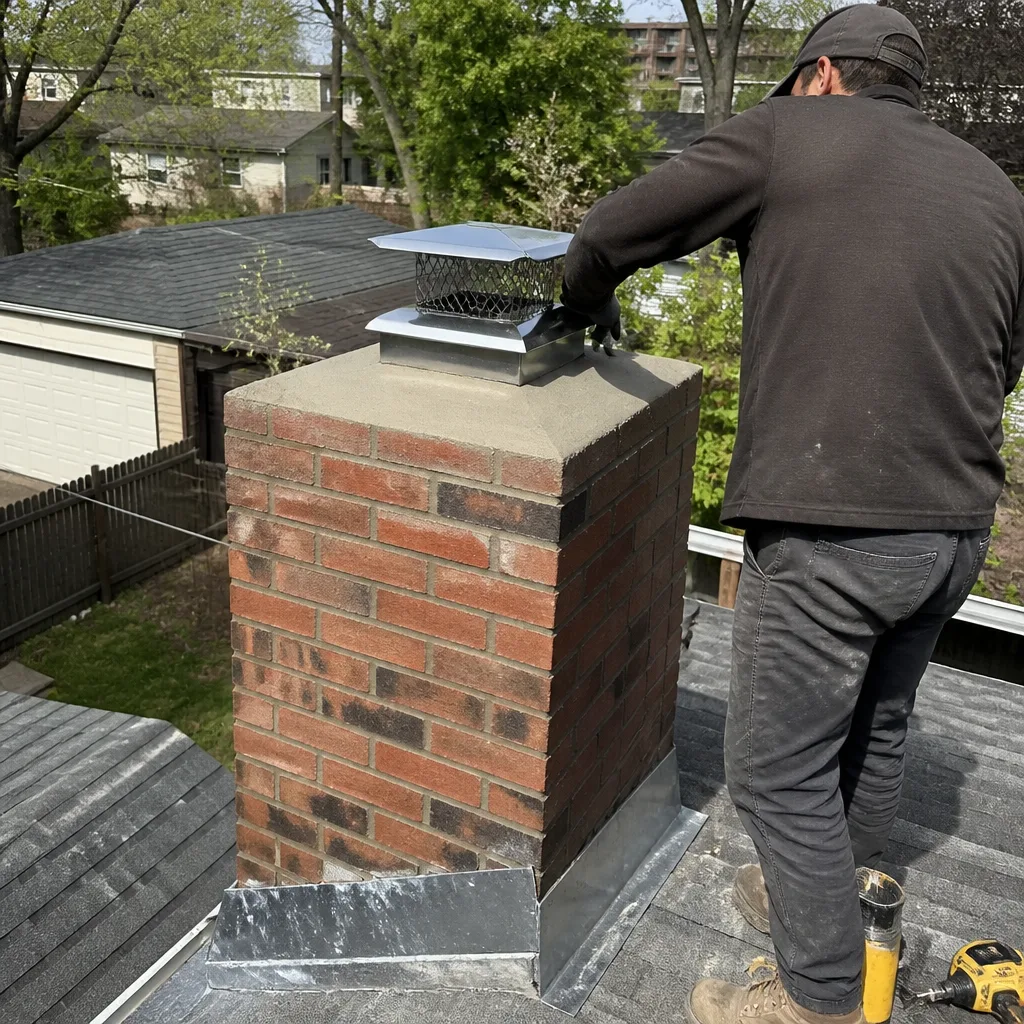
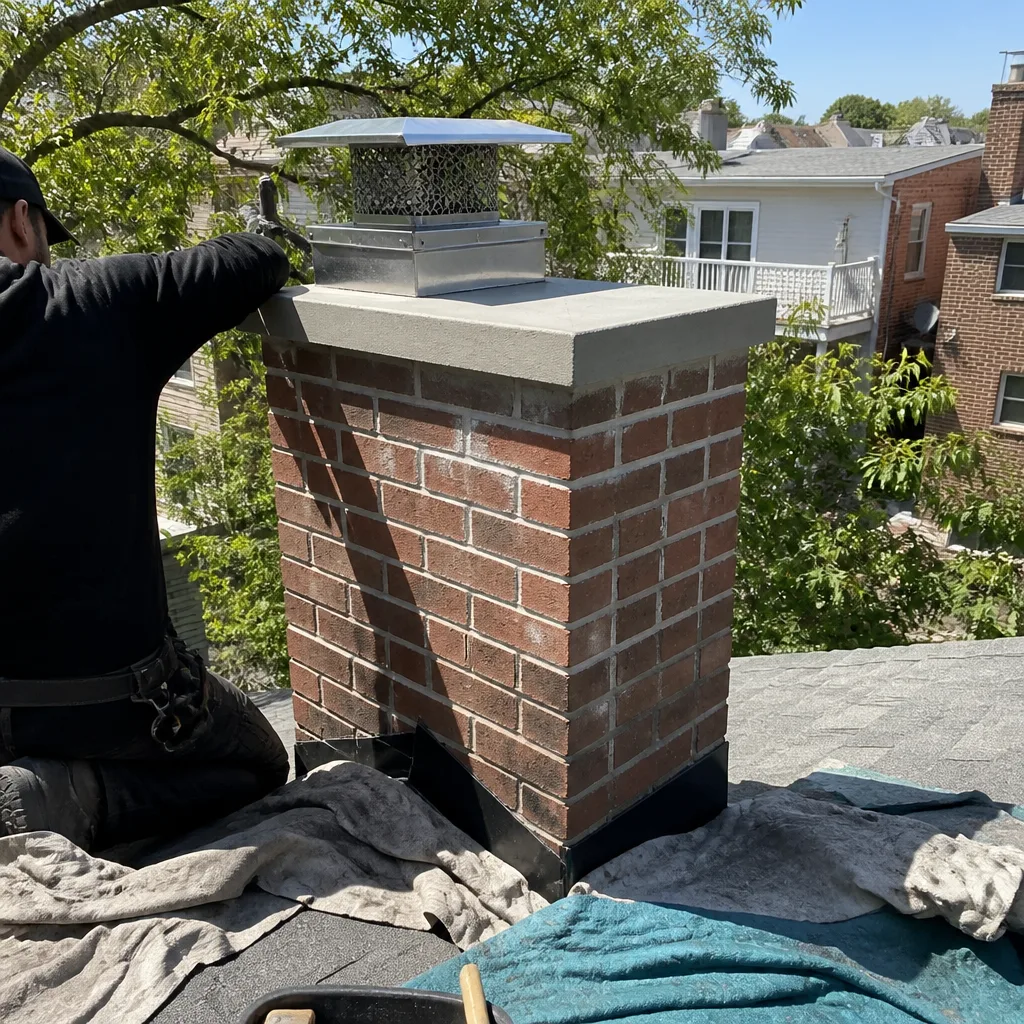
Level 1 sweep and inspection to the NFPA 211 annual standard - flue, crown, cap, and flashing checked and photographed
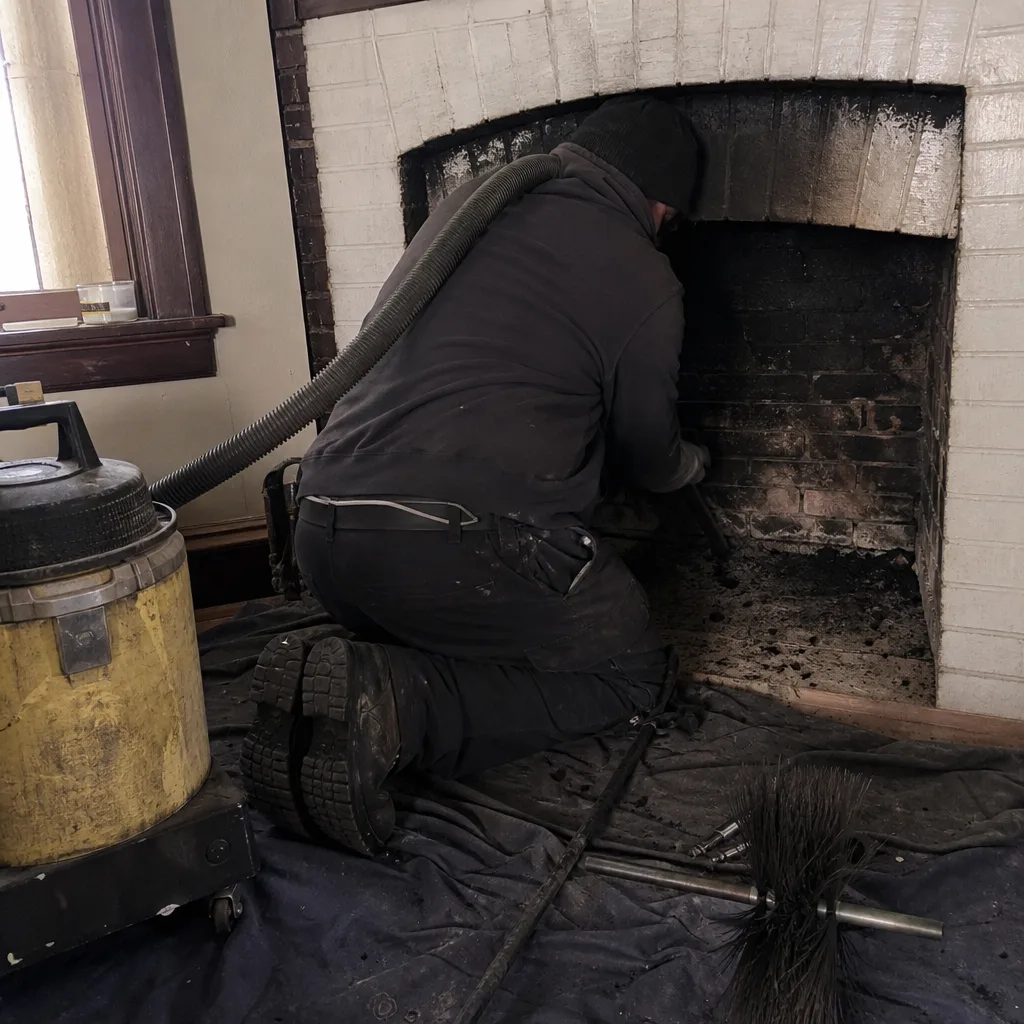
Chimney sweep logs do not sweep chimneys. They loosen some creosote - which then falls where a brush and vacuum still have to collect it.
DIY vs Professional Chimney Cleaning: The West Town Homeowner’s Decision Guide
You can buy a chimney brush kit for $60 and physically remove surface soot from a straight flue, but you will have no way to know whether the liner behind that soot has a crack, a separation, or a Stage 2 creosote glaze that a brush won’t touch and that a hardware-store inspection mirror won’t reveal. That’s the real fork in the road for West Town homeowners, and it’s rarely discussed in the usual DIY-versus-pro debate. This guide walks through what chimney cleaning actually involves, what changes when you’re working on a 1920s masonry chimney with offset flue sections, and how to make a decision you won’t second-guess in January. We’ll cover costs, insurance realities, the specific conditions where DIY is genuinely reasonable, and the hybrid approach that most West Town households should consider.
Styles & brands we work with
Quick Answer
DIY chimney cleaning is reasonable only for newer factory-built fireplaces with a straight flue, light seasonal use, and a recent professional inspection on file. For most West Town homes, which tend to have older masonry chimneys with taller flues, offset sections, and decades of unknown service history, a professional sweep is not about convenience; it’s about whether the person cleaning the chimney can recognize a liner failure, Stage 3 creosote, or a hidden flue separation before the next fire. If you can’t assess what you’re seeing after brushing, you haven’t actually completed the job.
Table of Contents
- What DIY Chimney Cleaning Can Realistically Accomplish
- What DIY Cleaning Structurally Cannot Assess
- Why West Town’s Housing Stock Changes the Math
- The Specific Conditions Where DIY Is a Reasonable Choice
- The Insurance and Liability Dimension
- The Hybrid Approach: What You Can Safely Do Between Professional Visits
- What Each Path Actually Costs in West Town
- Common Mistakes to Avoid
- When to Call a Professional
- Frequently Asked Questions
- The Bottom Line
What DIY Chimney Cleaning Can Realistically Accomplish
A homeowner with a basic brush kit, a shop vacuum, and a reasonable tolerance for soot can remove loose creosote deposits from the first several feet of a chimney flue. That’s the honest scope. The brush agitates fluffy, powdery Stage 1 creosote from accessible flue surfaces, and for a factory-built fireplace with a straight vertical run, that process can remove 60 to 70 percent of typical seasonal buildup. For a lightly used fireplace that burns dry hardwoods and sees maybe 15 or 20 fires per winter, that reduction might be enough to keep things safe until a professional can look at the system on a longer interval.
The key word is “loose.” Creosote comes in three recognized stages. Stage 1 is a light, grayish dust that brushes readily. Stage 2 is a dark, granular or flaky deposit that has begun to harden and requires more than a standard wire brush to remove. Stage 3 is a dense, glazed, tar-like layer that a hand-operated brush simply polishes rather than removes. In our experience sweeping older West Town chimneys, Stage 2 and Stage 3 deposits are disproportionately common because older fireplaces often have drafting characteristics that cool flue gases before they exit, accelerating creosote condensation.
What DIY cleaning does well:
- Removing loose Stage 1 soot from straight, accessible flue sections in newer prefab fireplaces.
- Clearing visible debris like bird nesting material, small twigs, or crumbled mortar fragments from the firebox and the lower flue.
- Cleaning the damper throat area where soot tends to accumulate and restrict airflow.
- Wiping down glass doors and firebox surfaces that collect surface film during normal use.
- Providing a seasonal visual check of the firebox and lower flue for obvious problems like fallen tiles or water streaks.
None of this is trivial. A homeowner who does these tasks carefully is doing real maintenance, and we’d rather see that than a chimney that’s never touched. But the task list above deliberately excludes the activities that actually prevent chimney fires and carbon monoxide exposure, because those require assessment skills and tools that a $60 kit does not include.
What DIY Cleaning Structurally Cannot Assess
After you run a brush through a flue, you have a certain amount of soot in a bag or on a tarp, and you have no meaningful information about what the flue looked like underneath that soot. That’s the structural gap in every DIY chimney cleaning effort. A home inspection mirror taped to a broom handle shows you a circle of flue surface that’s been scraped by a brush. It does not show you whether the clay tile liner behind that surface has a hairline crack running through it, whether a mortar joint between tile sections has eroded to the point of separation, or whether the flue has shifted slightly at an offset point where two sections meet.
Those are not hypothetical conditions. In West Town, where many chimneys were built between 1890 and 1940, clay tile liners have now been through 80 to 130 heating and cooling cycles per year, plus decades of freeze-thaw movement in Chicago’s climate. Hairline cracks in clay tile liners are common in this housing stock, and the problem is that a hairline crack is exactly what a homeowner cannot see after a DIY cleaning. A cracked liner allows heat and combustion byproducts to reach the masonry surrounding the flue, which is how a chimney fire starts inside the structure rather than inside the firebox.
What DIY cleaning cannot tell you:
- Whether the flue liner is cracked, separated, or shifted at any point along its full vertical run, including the upper third of the chimney where most failures occur.
- Whether Stage 2 or Stage 3 creosote has built up in the sections you cannot see, which is most of the chimney on any two-story West Town roofline.
- Whether the chimney cap is functioning or has rusted through, allowing rain, birds, and debris into the flue during the off-season.
- Whether the flashing at the roofline has failed and is letting water run down the exterior masonry, which accelerates liner and mortar deterioration.
- Whether a previous “repair” is actually safe, including smeared-in mortar patches that look fine from outside but hide structural problems.
This is not a subtle distinction. The entire safety function of a chimney sweep is the assessment that happens alongside the cleaning. When you remove the assessment function, you have an incomplete maintenance task that can create false confidence.
Why West Town’s Housing Stock Changes the Math
West Town’s housing profile is the least talked-about factor in the DIY chimney cleaning debate, and it may be the most important. This is a neighborhood of brick and masonry construction, much of it built before modern chimney code existed. Two-flats, workers cottages, and early-century brick single-family homes dominate the block composition between Ashland and Western, and those homes share a common chimney archetype: masonry construction, clay tile or unlined flues, multiple offsets where the flue changes direction to route around framing or roof geometry, and total flue heights that often exceed 30 feet from firebox to cap.
Every one of those characteristics makes DIY assessment harder and professional tools more necessary. The offsets are the critical issue. An offset is a bend in the flue path, and bends are where creosote deposits concentrate because flue gas velocity changes direction. A straight brush kit has limited ability to clean through an offset, and a homeowner has effectively no ability to inspect through one. If your West Town chimney has a smoker’s shelf offset or a corbelled masonry turn, you can brush the straight sections above and below it all day and leave the most dangerous deposit untouched.
The roofline matters too. Many West Town chimneys exit through the roof peak on two-and-a-half or three-story structures. Homeowners working from a ladder on a sloped Chicago roof are taking on a risk profile that no savings on a sweep fee justifies. This is the point where we’ll be direct: chimney repair work on West Town rooflines is not a DIY scenario, and the same physical access requirements apply to a proper visual inspection. A professional can inspect from the roof with fall-protection equipment and a full understanding of what they’re looking at; a homeowner with a hardware-store ladder and a flashlight is creating an unnecessary fall risk while gaining incomplete information.
Finally, there’s the simple matter of burning history. A chimney in a 120-year-old house has seen generations of use, much of it before modern creosote awareness. That history doesn’t show up on a Zillow listing, but it’s written into the flue surfaces in layers that a brush will never reach. When a West Town homeowner says “the previous owner said the chimney was fine,” our honest response is that “fine” means different things to different people, and the only way to know what’s actually in the flue is a professional inspection with a camera or full-length visual assessment.
The Specific Conditions Where DIY Is a Reasonable Choice
We want to be genuinely useful here, which means telling you plainly when DIY is not a mistake. There are specific conditions under which a homeowner can reasonably perform their own chimney cleaning between professional inspections, and if you meet all of them, the math works in your favor. The conditions are narrow, and they should be. A chimney is a fire containment system that passes through your house and exits near your roofline; the threshold for “good enough” should be fairly high.
The conditions where DIY cleaning is a defensible choice:
- Your fireplace is a factory-built unit installed after 1990. These units are engineered with specific flue requirements and have consistent, straight flue runs. You know what you’re brushing, and the system is younger than the oldest clay tile in the neighborhood.
- The flue is straight, vertical, and under 20 feet total height. No offsets, no turns, no shared flues serving multiple appliances.
- You have a professional inspection report from within the last 24 months that documents the condition of the liner, the cap, the flashing, and the firebox. This baseline matters because it tells you whether anything has changed since a trained set of eyes looked at the system.
- You burn only dry hardwoods, never pine, never construction scraps, never treated lumber, and never paper-based fire starters in large quantities. Wet wood and softwood both produce disproportionately more creosote per fire.
- You use the fireplace fewer than 25 times per year. Light use inherently produces less Stage 2 and Stage 3 creosote, which means the brush can actually do its job.
- You have safe roof or access-point conditions and can reach the top of the chimney without navigating a steep pitch or working at a height beyond your comfort and equipment.
- You inspect what you can see after cleaning and recognize that portions of the flue remain unverified, which means you still schedule professional inspections on a standard interval.
If you meet all seven conditions, DIY cleaning between professional visits is a reasonable maintenance choice. If you meet fewer than seven, you’re trading a $200 to $400 professional sweep for an unknown risk. In our experience cleaning and repairing chimneys across West Town, the households that meet all seven conditions are the minority; most homes in this neighborhood are older masonry structures with at least one offset, an unknown service history, or a roofline that makes ladder work genuinely unsafe.
The Insurance and Liability Dimension
This is the part of the DIY debate that almost no one discusses until after a fire, and it deserves more attention than it gets. Homeowners insurance policies typically require that a property be “maintained in a reasonable and customary manner,” and when a chimney fire occurs, the adjuster’s first question is usually about service history. If you can produce invoices from a professional chimney sweep in West Town showing regular inspections and cleanings, you have documented due diligence. If you cannot, because you cleaned the chimney yourself and kept no records, you are in a weaker position.
To be clear, we are not saying that DIY cleaning automatically voids your coverage. It does not. But insurance claims are decided on evidence, and the evidence standard for chimney fires is service documentation. A homeowner who did their own cleaning has no third-party record of what the flue condition was at the time of cleaning, no measurement of creosote accumulation, and no proof that the system was properly assessed. An adjuster who wants to deny a claim has an easier path when the only documentation is a receipt for a brush kit from a hardware store receipt.
There’s a second dimension that’s less discussed but equally real. If a chimney fire in your West Town home spreads to an adjacent property, which is a genuine risk in a neighborhood of attached and closely spaced brick buildings, your liability exposure extends beyond your own four walls. The standard of care a court would apply in a property-damage lawsuit is not “did you try your best with the tools you had.” It’s “did you act as a reasonable homeowner would, given the known risks of the system you were maintaining.” Engaging a professional creates a record of reasonable care. Cleaning it yourself without assessment capability creates ambiguity about whether reasonable care was exercised.
What a professional sweep provides that DIY cannot:
- Dated service documentation describing what was cleaned, what was found, and what was recommended.
- Third-party verification of system condition from an entity with no financial interest in your home’s contents or structure.
- A chain of maintenance records that demonstrates routine care, which is what insurers and courts look for.
- Photographic evidence of pre-existing conditions that can protect you from blame if a problem develops after cleaning.
None of this should be read as a scare tactic. It’s a factual description of how claims get evaluated. The homeowner who saves $300 on a sweep fee and then faces a $40,000 chimney fire claim has made a bet with bad odds, and it’s the kind of bet that’s easy to avoid with a simple phone call.
The Hybrid Approach: What You Can Safely Do Between Professional Visits
The false choice in this debate is that you’re either doing everything yourself or hiring everything out. The realistic middle path for most West Town homeowners is a hybrid: you handle the simple, safe, visible maintenance tasks between professional sweeps, and you leave the assessment, inspection, and heavy cleaning to the Brightway Chimney Sweep home team or another qualified sweep. This approach gives you lower annual costs, more familiarity with your fireplace’s behavior, and the professional documentation you need for insurance purposes.
Meaningful tasks you can safely do between professional visits:
- Monthly visual firebox inspection. Look for cracked firebrick, loose mortar, or rust on the damper assembly. These are visible from the living room and require no ladders or tools.
- Cap inspection from the ground. Use binoculars to check whether the chimney cap is present, upright, and free of visible debris. If you see missing pieces or a cap that’s leaning, call for service rather than trying to access the roof yourself.
- Basic damper test. Open and close the damper a few times before burning season. It should move smoothly and close completely. A damper that’s seized open or won’t seal lets warm air escape all winter and can accelerate creosote formation.
- Burn-quality discipline. Burn only dry hardwoods, keep fires modest in size, and avoid smoldering fires that generate the bulk of Stage 2 creosote. This one habit changes chimney maintenance needs more than any other.
- Rain-cap debris clearing. If you have a single-story chimney and safe walk-on access, you can clear leaves, twigs, and visible nesting material from the cap exterior without entering the flue. If the access requires a ladder on a slope, call it out to a professional.
These tasks give you a running awareness of how the fireplace is performing, which means you’ll notice changes sooner, and you’ll have better information to share when you schedule your next professional sweep. A homeowner who knows their chimney has been burning exceptionally hot, or that the cap took storm damage in July, helps the professional prioritize what to inspect.
What Each Path Actually Costs in West Town
Let’s talk numbers, because the cost question is where this decision usually starts. A professional chimney sweep in the West Town market typically runs between $200 and $400 depending on the height of the flue, the type of fireplace, whether a full camera inspection is included, and whether any repairs are identified that need addressing. A basic brush kit from a hardware store costs $40 to $80, plus the homeowner’s Saturday afternoon, plus whatever the roof access requires in terms of ladder rental or equipment. The raw-dollar comparison favors DIY, and that’s exactly why the DIY argument has staying power.
But the raw-dollar comparison is incomplete, and it’s incomplete in a specific way that matters. A professional sweep includes the cleaning plus the assessment. The assessment is the part that catches the problems that would otherwise become chimney fires, and it’s the part that the hardware-store brush kit cannot replicate at any price. When you frame the question as “what does it cost to remove soot,” DIY wins. When you frame it as “what does it cost to know whether my chimney is safe to burn,” the comparison turns on information you cannot get from a brush.
Typical West Town Chimney Sweep Costs
- Basic sweep, single-story masonry chimney: $200 to $280
- Sweep with camera inspection, two-story masonry chimney: $280 to $400
- Sweep with Stage 2 or Stage 3 creosote removal: $300 to $500, depending on severity and access
- DIY brush kit: $40 to $80, plus your time, plus ladder access, plus zero assessment capability
One more thing on the cost question. The homes in West Town that would benefit most from a professional sweep, the older masonry structures with offset flues and unknown histories, are also the homes where a DIY attempt is least likely to be effective. The money saved on a sweep in a two-story brick workers cottage is easily consumed by a single roofline repair, a single chimney cap replacement, or a single insurance deductible after a fire that a properly maintained flue would have prevented.
When a dryer vent cleaning in West Town is also due, Brightway Chimney Sweep can handle both systems in a single visit, which streamlines the annual fire-safety maintenance for the whole house. Our recommendation for most West Town homeowners is a professional sweep every one to two years, depending on burn frequency, with the DIY hybrid tasks in between.
Common Mistakes to Avoid
- Using a brush kit without ever having had a professional baseline inspection. You’re cleaning blind. You cannot know what the flue looked like before you started, so you cannot know whether your cleaning changed anything that matters.
- Treating a chimney brush as a substitute for a chimney inspection. The brush removes surface deposits. It tells you nothing about liner condition, cap function, flashing integrity, or moisture intrusion. These are the things that actually determine whether your chimney is safe.
- Attempting DIY cleaning on a chimney with an offset or multiple bends. Standard brush kits are designed for straight flues. If your West Town chimney has a smoker’s shelf offset or a masonry turn, you’ll leave the most dangerous deposits untouched while believing you’ve cleaned the system.
- Using chemical creosote removers as a substitute for mechanical cleaning. These products can convert some Stage 2 creosote to a more brushable form, but they cannot remove Stage 3 glaze, and they cannot tell you whether the liner under the creosote is intact. They supplement cleaning; they do not replace it.
- Burning “seasoned” wood that’s actually been sitting for less than six months. Wood needs time to dry below 20 percent moisture content. Burning wet wood is the single fastest way to accumulate Stage 2 creosote, and it turns a clean chimney into a dirty one in a single season.
- Cleaning from an unsafe position. Chicago rooflines in winter are not a place to be learning ladder work. A fall from a second-story roofline is a life-changing injury. No sweep fee savings justifies that risk.
- Waiting until October to think about chimney maintenance. September and early October are peak scheduling months for chimney sweeps in Chicago. If you want a professional inspection before burning season, schedule it in late summer, not after the first cold snap.
When to Call a Professional
Some conditions are not judgment calls. If you see visible smoke entering the living space when the fireplace is in use, that indicates a drafting problem, a blockage, or a liner failure, and the fireplace should not be used until a professional has inspected it. If you smell creosote or smoke odors when the fireplace is not in use, that’s another sign of a flue problem. If you find fallen clay tile pieces in the firebox, that’s structural liner failure. If you see water staining on interior walls near the chimney or on the ceiling around the flue penetration, that’s a flashing or moisture issue that needs diagnosis. If you hear animals in the chimney, get it capped and cleaned before burning. None of these conditions are resolvable with a brush kit. Chimney repair is not a DIY category, and it’s not a category to defer either. Brightway Chimney Sweep offers free estimates in West Town; call (833) 365-6591 and we’ll assess what’s actually going on.
Frequently Asked Questions
A professional chimney sweep in West Town typically costs between $200 and $400, depending on chimney height, fireplace type, and whether a camera inspection is included. Heavily creosoted flues, difficult roof access, and offset chimney designs push the cost toward the upper end. Call (833) 365-6591 for an exact quote for your specific chimney, estimates are free.
A chimney should be swept at least once per year if you burn more than a couple dozen fires per season, and every two years is a reasonable minimum for light use. The National Fire Protection Association standard is that chimneys should be cleaned when creosote accumulation reaches 1/8 inch, which a professional can measure during a standard sweep. West Town homeowners with older masonry chimneys tend to need more frequent service because their flues run cooler and accumulate creosote faster.
You can physically remove loose creosote from a straight, accessible flue, but you cannot assess liner condition, identify Stage 2 or Stage 3 deposits, or verify that the flue is safe after cleaning. For homeowners with newer factory-built fireplaces, straight flues, light use, and a professional inspection on file within the last two years, DIY cleaning between professional visits is a reasonable choice. For most West Town homes with older masonry chimneys, offsets, and taller flues, the assessment gap makes DIY an incomplete job.
Creosote accumulates in layers, and once it reaches Stage 2 or Stage 3 density, it becomes a fuel source inside your chimney. A hot fire or a flue condition that allows sparks to reach the creosote layer can ignite a chimney fire, which burns at temperatures that crack clay tile liners, damage masonry, and can spread to the house structure. The more common slow-motion problem is deteriorated liner conditions that go unnoticed, eventually allowing carbon monoxide and combustion byproducts into living spaces. In West Town’s older housing stock, skipped years accumulate more quickly than homeowners expect.
Not necessarily, and this is where a full-service chimney company offers a genuine advantage. Small, localized liner damage can often be addressed with a resurfacing system like HeatShield, which restores flue continuity without full demolition. More extensive damage may require a DuraFlex flexible liner installation, which is the professional standard for relining aging masonry chimneys. The right approach depends on what a camera inspection reveals, and a straight-answer contractor will show you the images and explain why a given repair is or isn’t necessary.
Yes, though the mechanisms are different. Dryer vents accumulate lint rather than creosote, and lint is a highly combustible material that restricts airflow and raises dryer operating temperatures. A restricted dryer vent is one of the leading causes of residential fires in the United States, and most homeowners have no way to see the inside of their vent run. Dryer vent cleaning should be performed annually or whenever drying times start to increase. Brightway handles both systems because both are fire-safety systems, and both benefit from the same annual maintenance discipline.
The Bottom Line
The DIY-versus-professional chimney cleaning question is rarely settled by price alone, and it shouldn’t be. The real issue is whether the person cleaning the flue can recognize what they’re seeing, and for most West Town homeowners, the answer to that question determines the answer to the first one. A newer fireplace with a straight flue and light use is a reasonable DIY candidate if a professional inspection is on file. An older masonry chimney with offsets, unknown history, and a tall roofline is not. The hybrid approach, light maintenance between professional sweeps, is the sensible middle path for most households. The goal is never to spend money unnecessarily. It’s to know whether your chimney is safe before you light the next fire.
Written by the team at Brightway Chimney Sweep, serving West Town since 2016.
See the difference
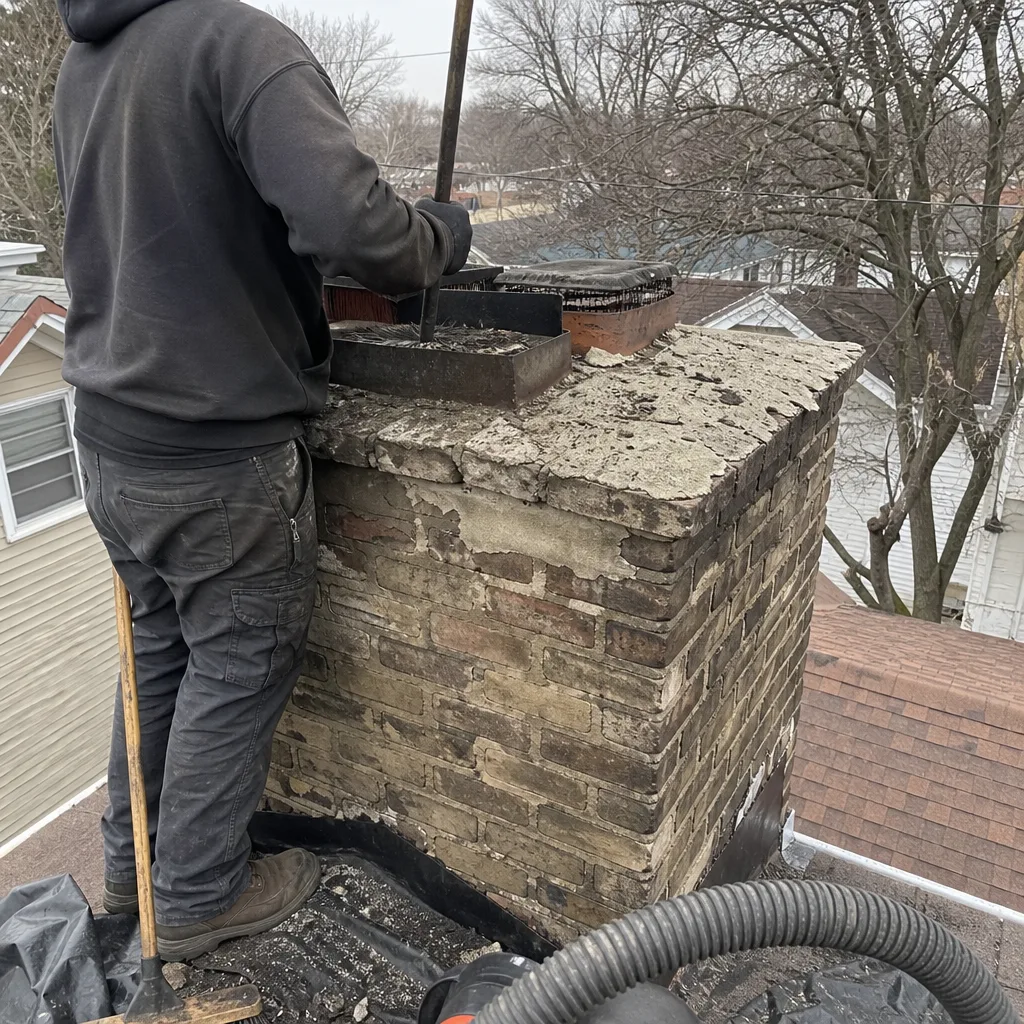 Before
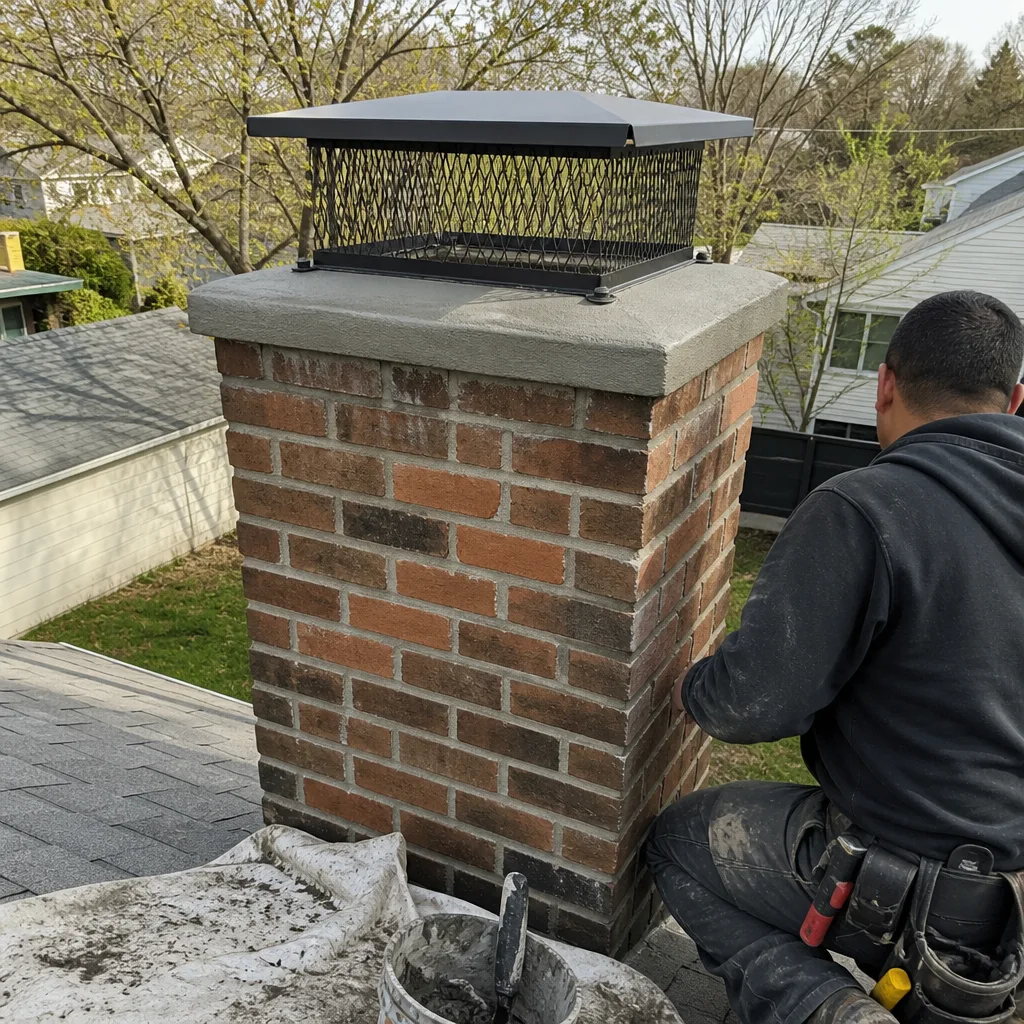 After
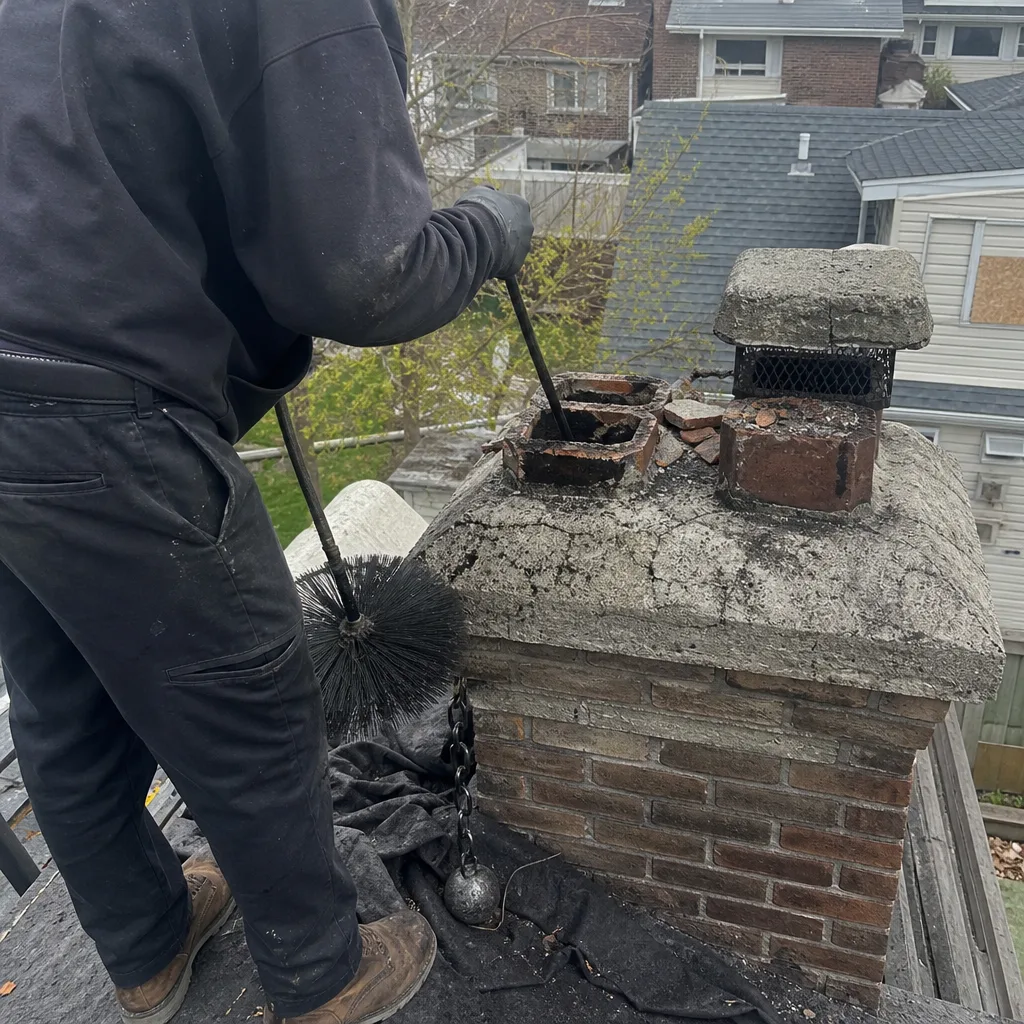 Before
 After
 Before
 After