 Sweep & inspection
 Caps & crowns
 Flue relining
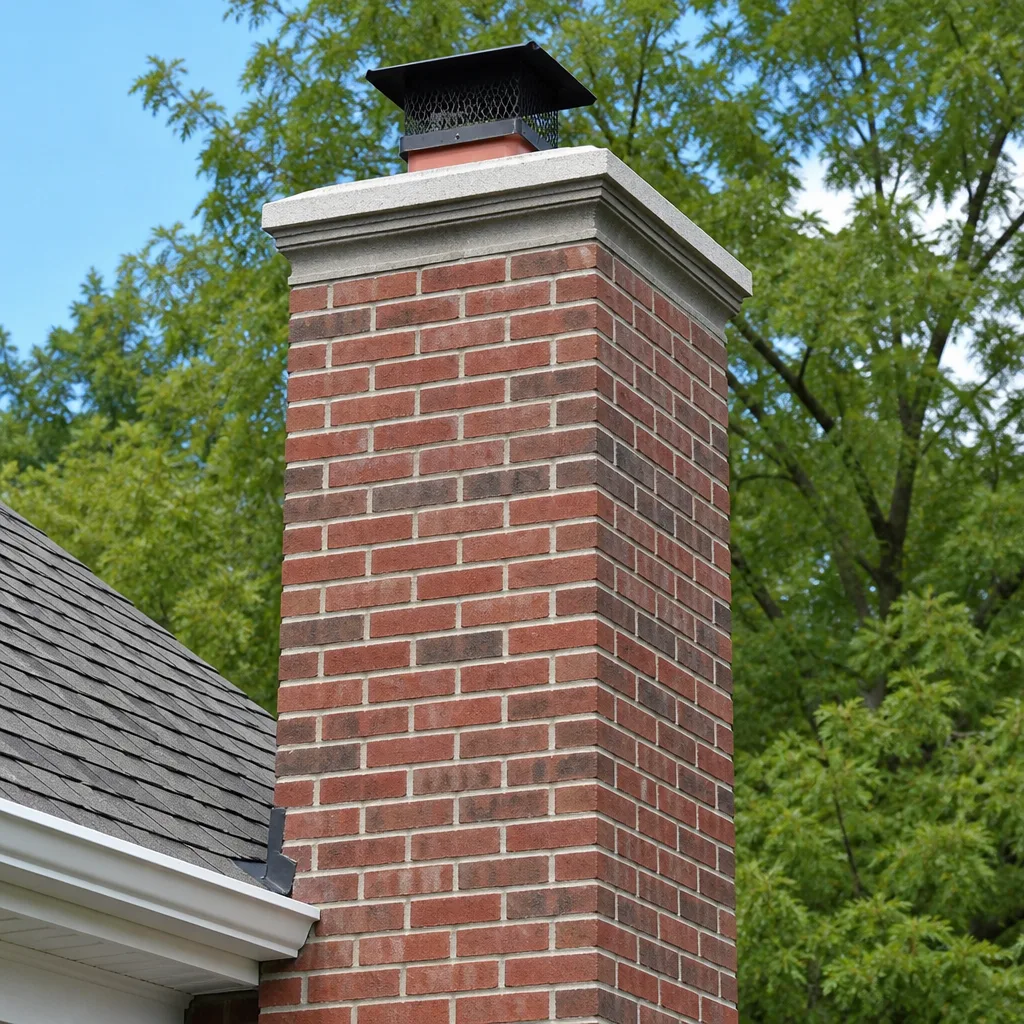 Masonry repair
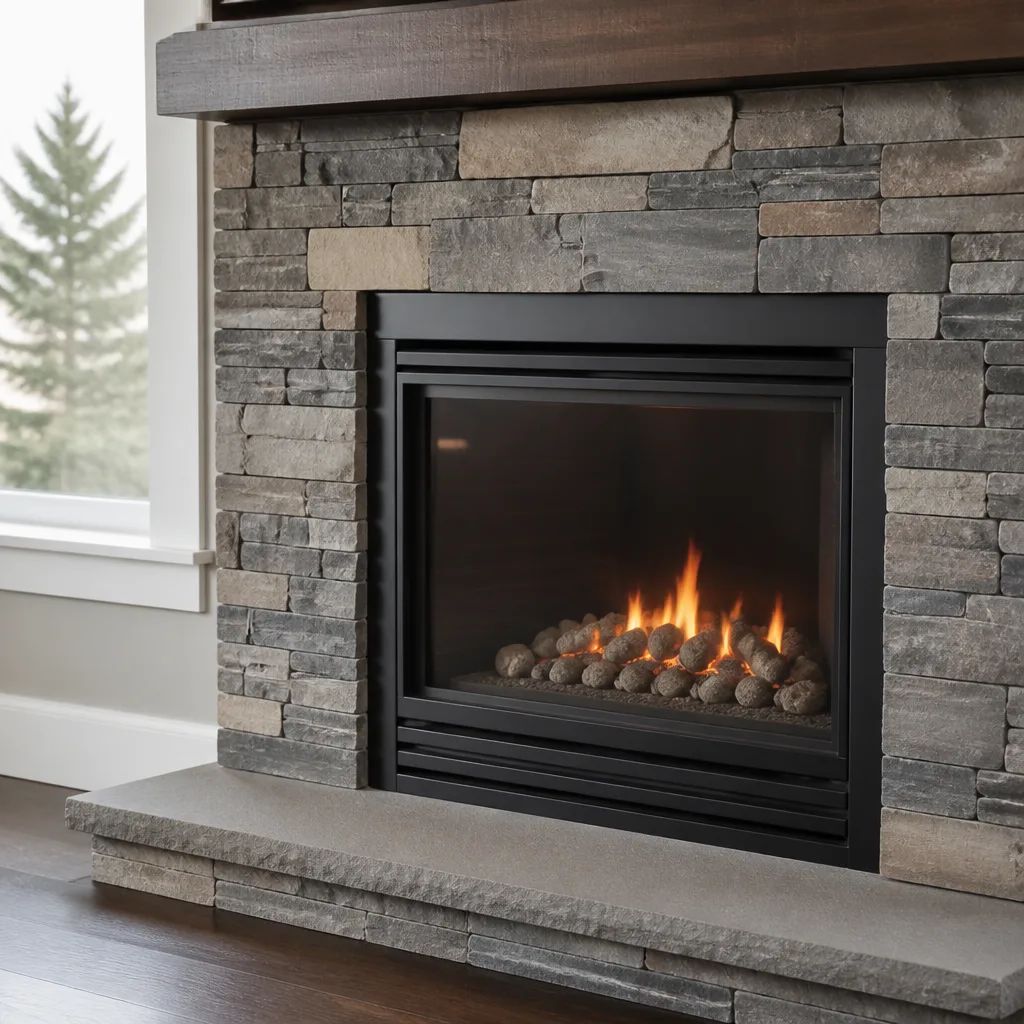 Gas fireplace service
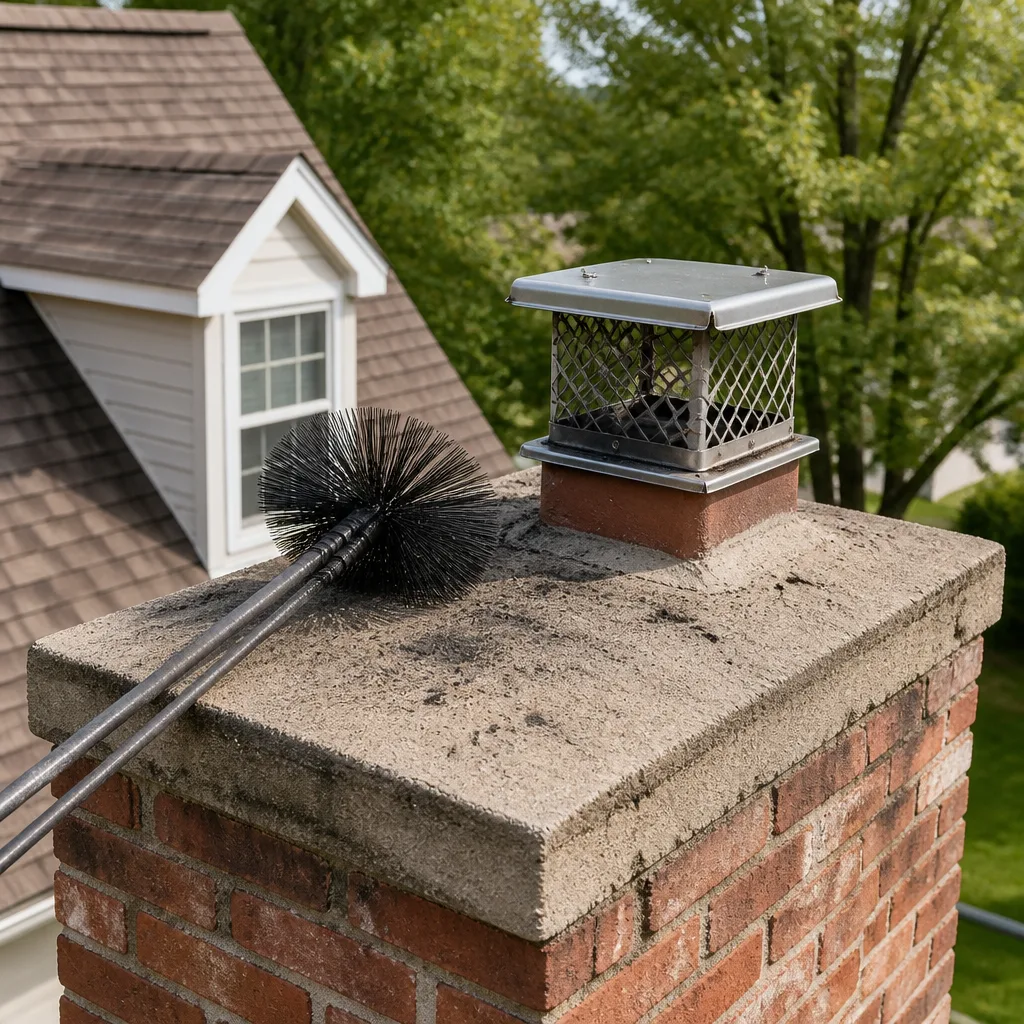
Level 1 sweep and inspection to the NFPA 211 annual standard - flue, crown, cap, and flashing checked and photographed
Chimney sweep logs do not sweep chimneys. They loosen some creosote - which then falls where a brush and vacuum still have to collect it.
Why West Town Homeowners Choose HeatShield Chimney Cleaning
We provide independent HeatShield repair in West Town, including Ukrainian Village, East Village, and Wicker Park. HeatShield is a castable refractory liner poured inside your existing flue, and whether it lasts depends almost entirely on surface preparation and cure, not the logo on the bag. Our technicians inspect and service failed HeatShield jobs regularly, so we know exactly where these pours go wrong in Chicago’s older masonry chimneys.
We’re not authorized by or affiliated with HeatShield. We’re an independent service contractor that works with the genuine HeatShield refractory material and form system because, frankly, no aftermarket substitute holds up at flue temperatures. What that means for you: honest diagnosis of your existing liner, warranty-safe service that won’t void the manufacturer’s coverage, and a straight answer on whether re-pouring or switching to a DuraFlex stainless liner makes more sense. Call (833) 365-6591 for a free estimate.
Why Trust Brightway Chimney Sweep for Your HeatShield Chimney Cleaning?
HeatShield liners fail in predictable ways, and you want a technician who’s seen those failures up close, not someone reading a spec sheet for the first time. Our crews have pulled and rebuilt enough bad HeatShield pours in West Town to recognize the weak points before they become flue fires or carbon monoxide problems, and we bring that same expertise to HeatShield in East Garfield Park. We know what a properly cured pour looks like, what a wafer-thin one feels like under a brush, and what delamination sounds like when you tap the flue wall.
Neil Borowski built Brightway around the idea that homeowners deserve an honest inspection and a clear explanation, not a list of upsells. Growing up a few blocks from Eckhart Park, Neil spent years working on the same two-flats and greystones you live in, and he trained through the HVAC and building systems program at Triton College before apprenticing with a veteran sweep. That background matters when you’re standing in a West Town basement staring at a flue that’s been silently deteriorating since the Coolidge administration. We service HeatShield liners the way the material demands: cleaned to bare masonry, poured at proper thickness, and cured before firing. A clean chimney doesn’t announce itself, and neither does the problem you avoided by having one.
Styles & brands we work with
Common HeatShield Chimney Cleaning Problems We Fix in West Town
Here’s what we actually see when a HeatShield job goes wrong in West Town’s 1880s-to-1920s housing stock:
- Delamination from original clay tile. The HeatShield shell separates and flakes after a few heating seasons, usually because the original flue wasn’t cleaned to bare masonry before the pour. You’ll find chalky gray flakes in the cleanout or smoke chamber. This is the failure mode we see most often on West Town two-flats where the original install was rushed.
- Improper cure or thickness. If the pour was too thin or the crew fired the fireplace before the refractory fully cured, you get a liner that crumbles when the sweep’s brush touches it. We’ve had customers tell us their “new” HeatShield liner turned to powder during the first cleaning. That’s not normal wear, it’s a bad install.
- Cracking along old flue tile joints. HeatShield applied over badly spalled or displaced original clay tiles will crack along those same joints. The underlying masonry keeps moving through Chicago’s freeze-thaw cycles, and the new liner can’t hold. In West Town, where exterior chimneys catch wind-driven snow off the prairie, this movement is relentless.
- Reduced flue cross-section from an over-thick pour. Some installers overcompensate and pour too thick, which chokes the draft. On wood-burning fireplaces, you get smoke pushing back into the living room. We’ve measured flues in East Village that lost 30% of their cross-sectional area to an overzealous pour.
- Failed smoke chamber repairs. HeatShield high-temperature crown and smoke-chamber compound is a separate product line, and it fails differently. If the smoke chamber wasn’t properly prepped or the compound was applied over creosote residue, you’ll see cracking and flaking there first, often before the flue liner itself shows problems.
HeatShield Parts & Our Repair-vs-Replace Approach
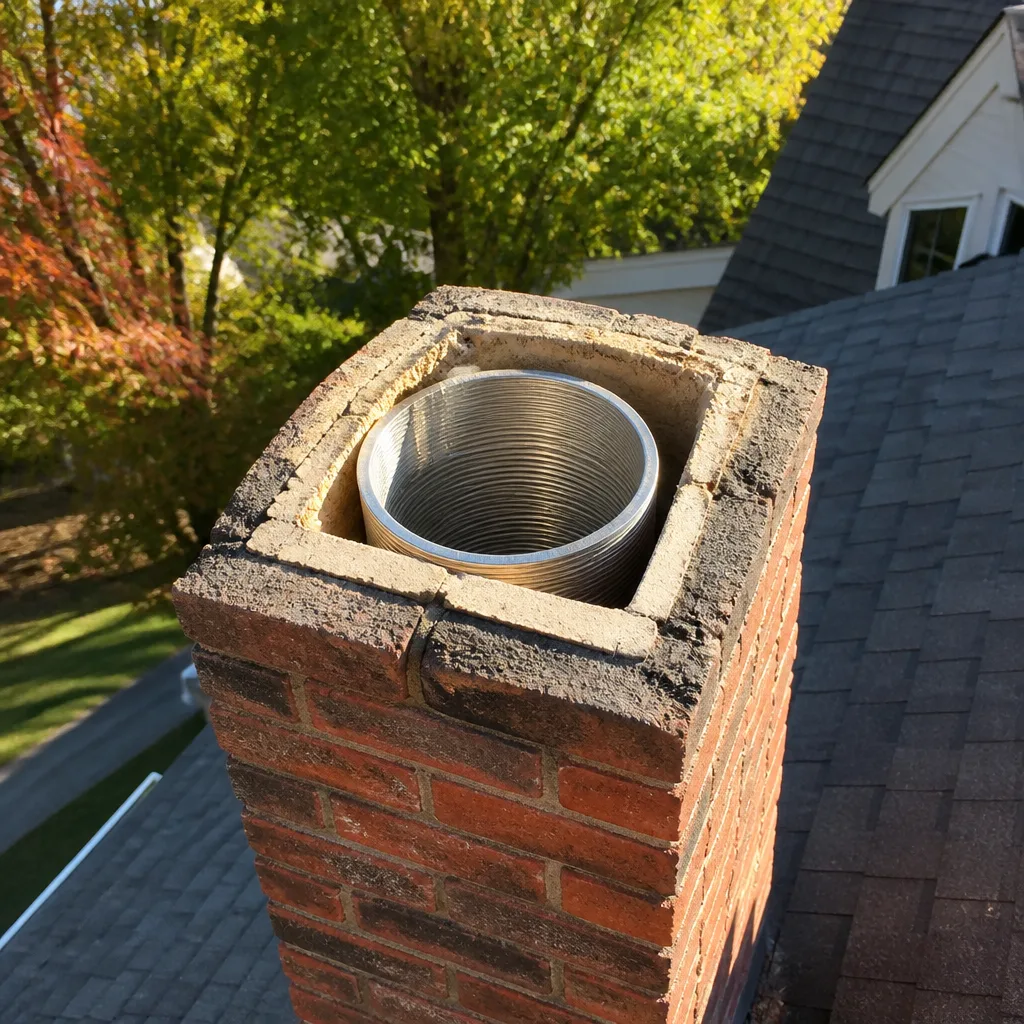
HeatShield repairs require the genuine castable refractory material and the proper inflatable form system. There’s no aftermarket substitute that holds at flue temperatures, and we won’t install one. If a prior HeatShield job is failing, we diagnose whether it can be re-prepped and re-poured or whether a stainless liner makes more sense. Here’s the honest math: if the original clay tile beneath the HeatShield is still structurally sound and the failure is surface delamination, re-prepping and re-pouring usually works. If the underlying masonry is displaced or badly spalled, no amount of refractory will fix it, and we’ll recommend a DuraFlex or Gelco stainless liner instead.
We keep genuine HeatShield refractory material and form components readily available for West Town jobs, so diagnosis and repair don’t require a second visit weeks later. When we tell you the repair bill, we’ll also tell you plainly if the fireplace can safely wait until spring. Call (833) 365-6591 for a straight answer on your liner.
Our HeatShield Service Process – Step by Step
- 1
Diagnosis. We run a Level 2 inspection with a camera so you see exactly what we see. For a failing HeatShield liner, that means documenting delamination, measuring pour thickness, and checking the smoke chamber and crown. You don’t get a repair recommendation you can’t verify with your own eyes.
- 2
Surface preparation. If re-pouring is viable, we remove the failed HeatShield material and grind the original flue tile to bare masonry. No creosote glaze, no dust, no shortcuts. This is the step most original installs get wrong, and it’s why so many HeatShield liners fail in West Town within four or five years.
- 3
Pour and cure. We use the genuine HeatShield form system with the refractory mixed and poured at manufacturer-specified thickness. The liner cures before we fire anything. No rushing the job to get to the next one.
- 4
Verification. After the pour cures, we run the camera again and check draft with a smoke test on wood-burning fireplaces. You get before-and-after images showing the new liner in place.
- 5
Warranty documentation. We provide documentation of the materials used and the work performed so you have a paper trail for any HeatShield manufacturer warranty considerations.
See the difference
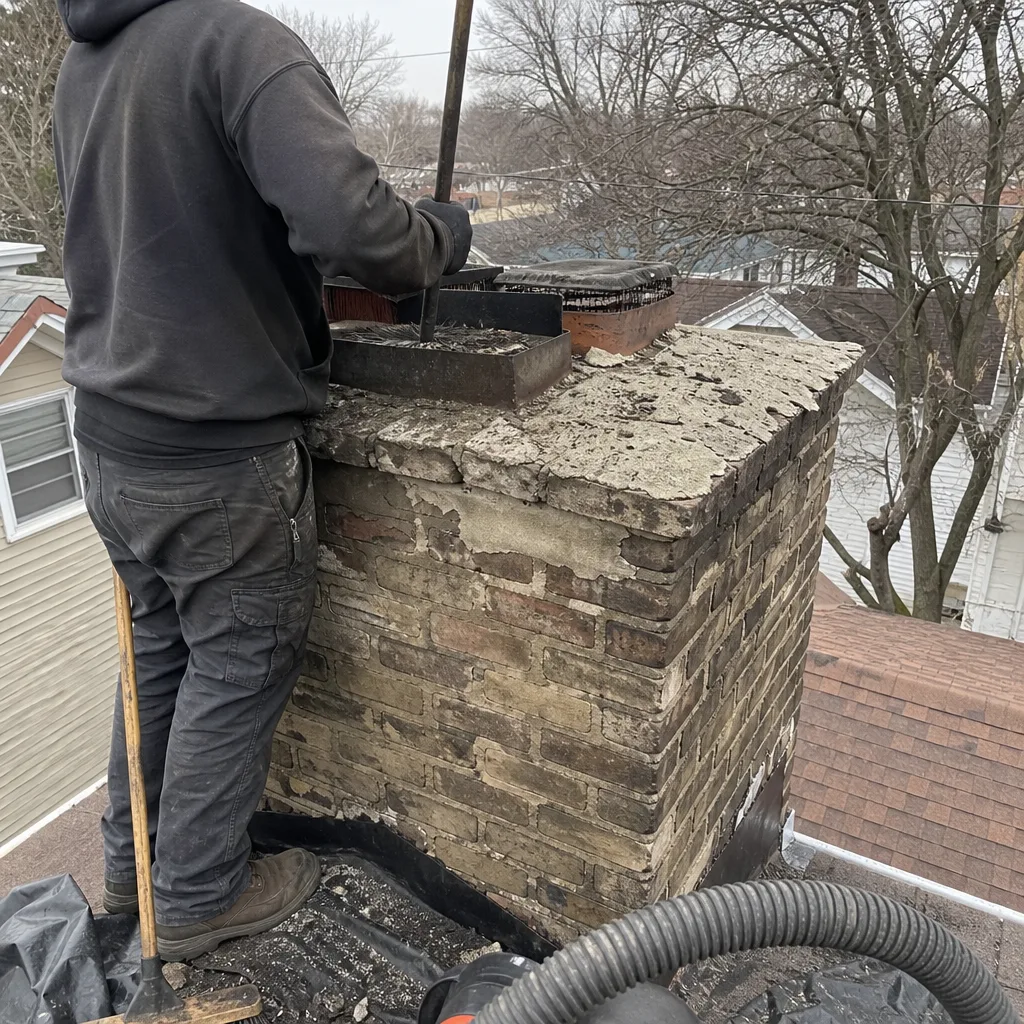 Before
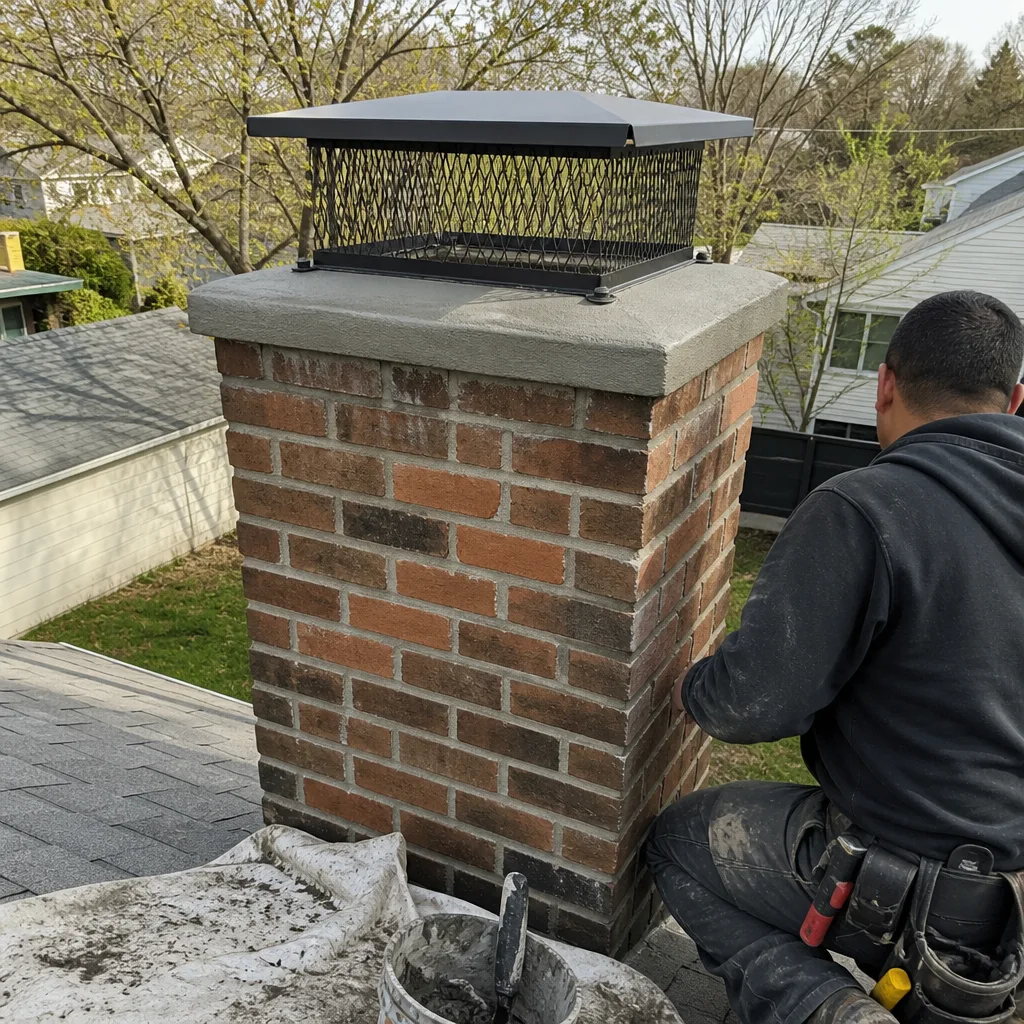 After
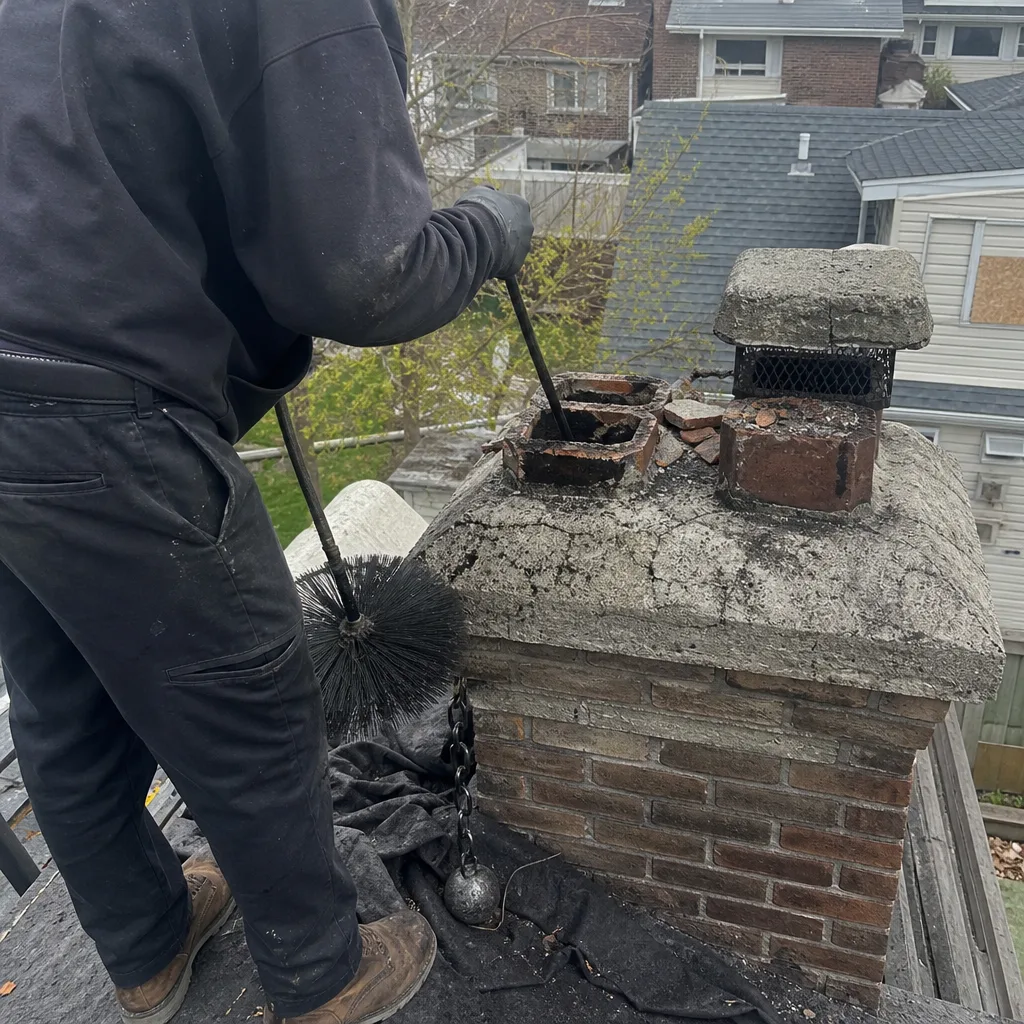 Before
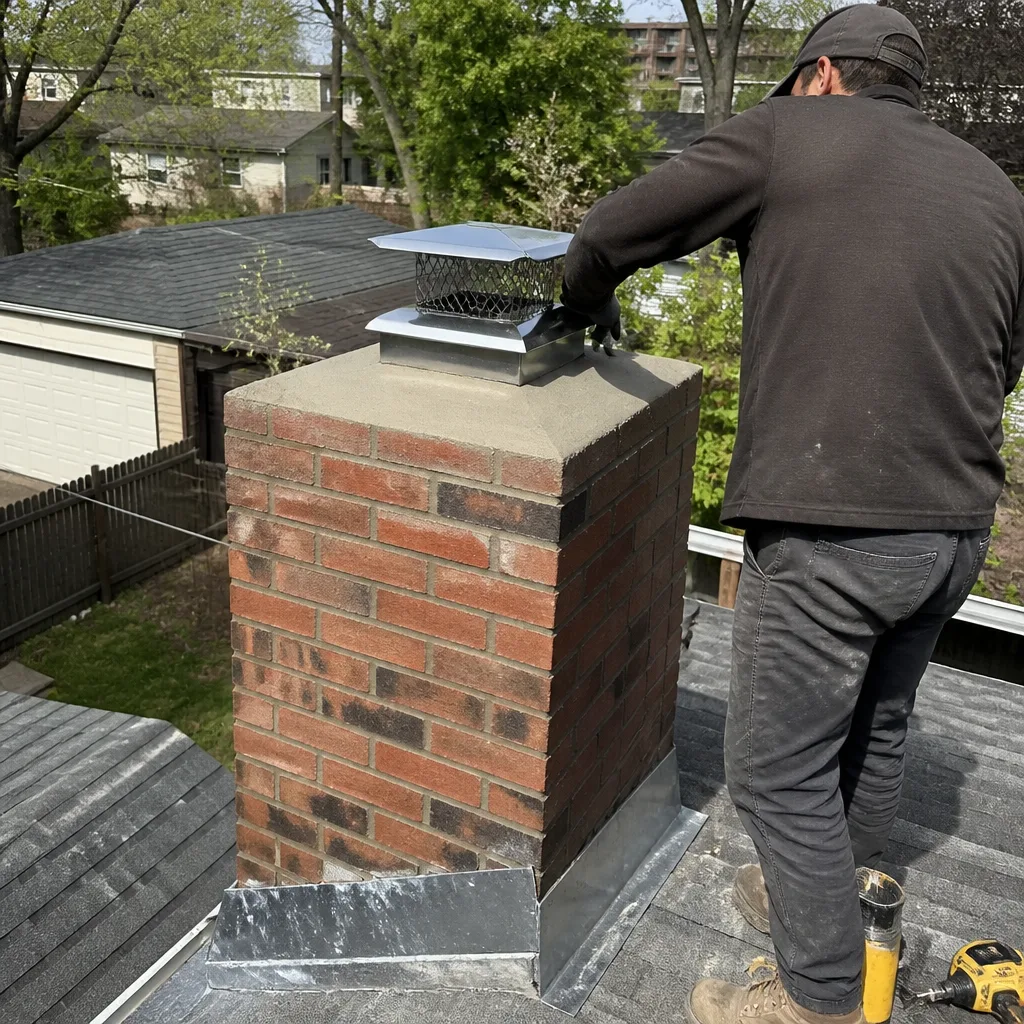 After
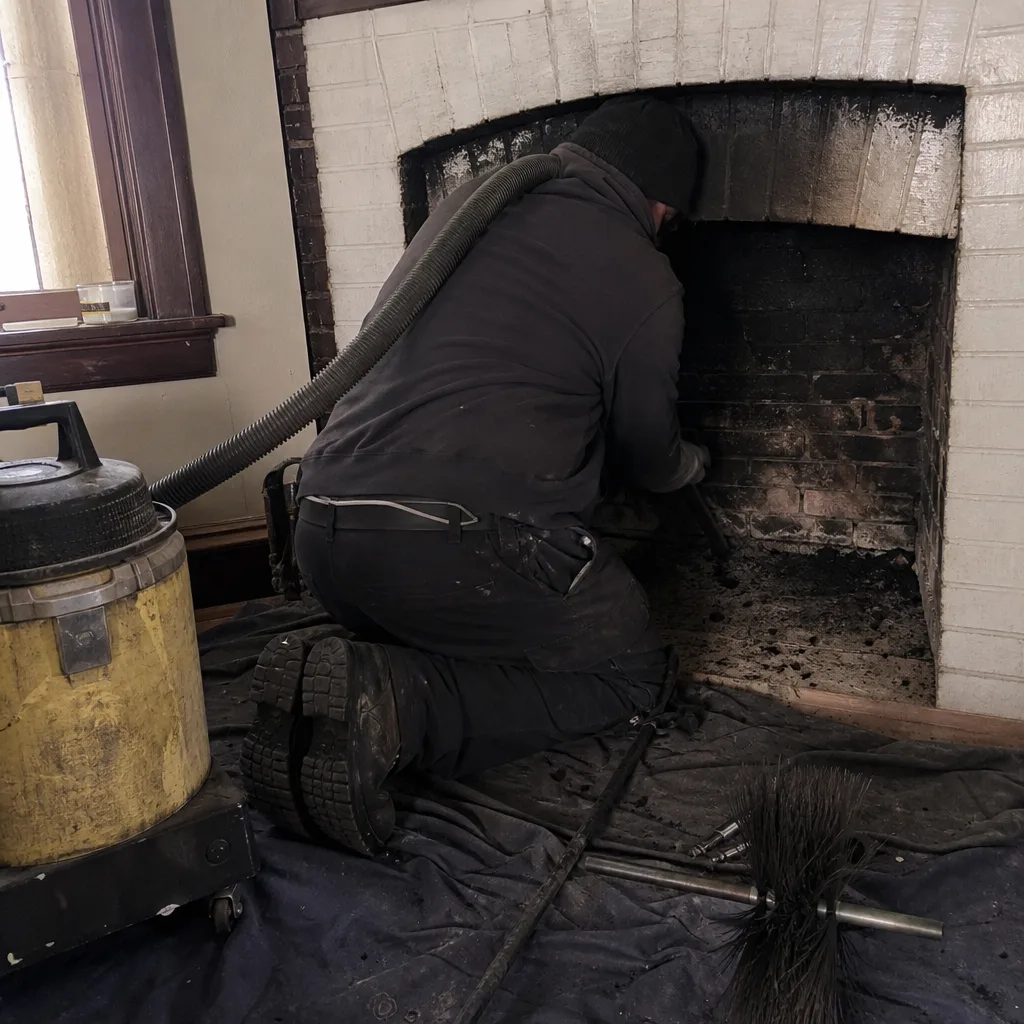 Before
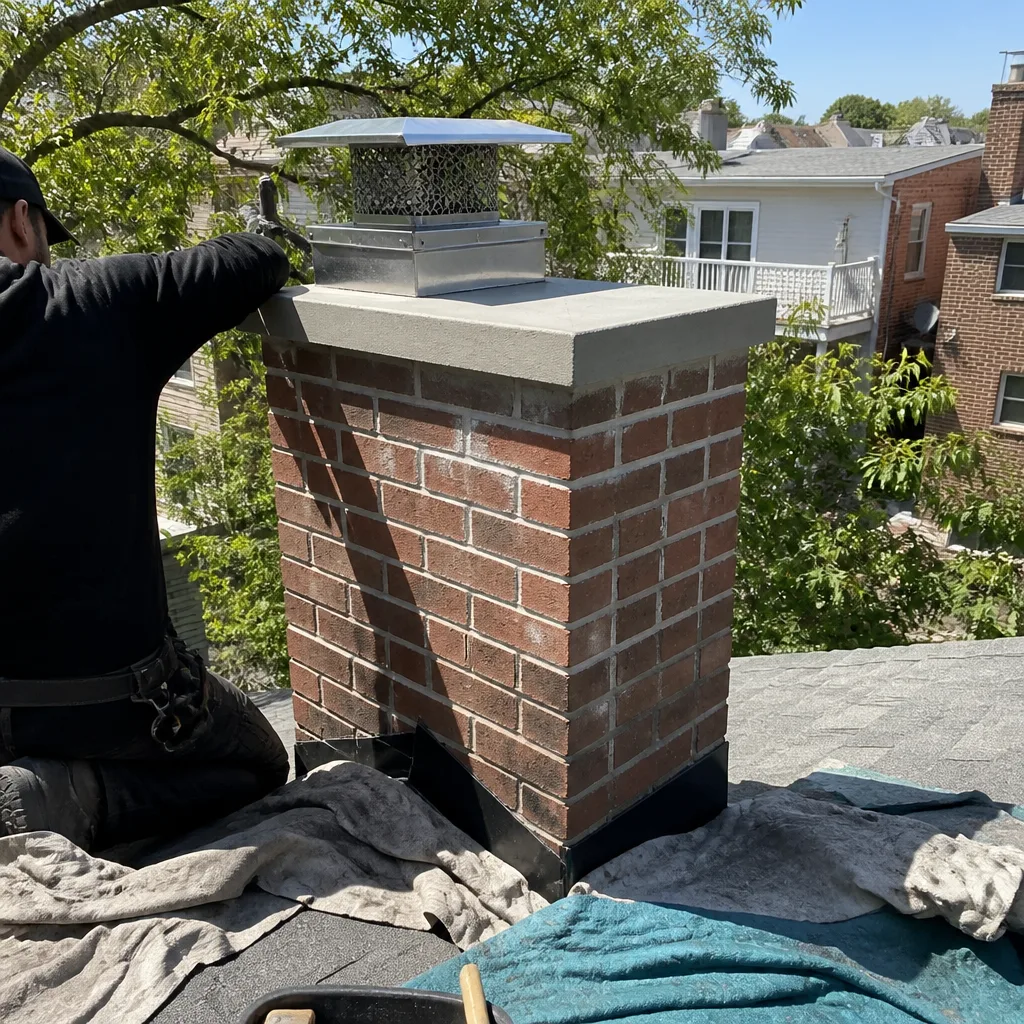 After
HeatShield Products We Service & Install in West Town
Our technicians work with the full HeatShield line, including the standard castable refractory liner (1/2-inch pour over ceramic flue tile), the Resurfacing System for cracked or spalling flue tiles without full relining, and ceramic flue tile inserts for heavily damaged original clay liners, providing Logan Square HeatShield service with the same thoroughness. We also service and repair the high-temperature crown and smoke-chamber repair compound, which fails in its own specific ways on West Town’s older chimneys.
We stock genuine HeatShield refractory material and keep form components ready for quick deployment to West Town, Ukrainian Village, and East Village. If your fireplace needs firebox repair alongside liner work, we handle that too, as part of the same service call.
We Also Service These Brands
HeatShield is one system in a broader toolkit. When a failed HeatShield liner isn’t worth re-pouring, we install DuraFlex flexible stainless liners, the professional standard for relining damaged or incorrectly-sized flues. We also work with Gelco liner systems. The right material depends on your chimney, your fuel type, and the condition of the masonry beneath.
FAQs – HeatShield Chimney Cleaning Service in West Town
Flaking in a HeatShield liner almost always traces back to surface preparation. If the original clay tile wasn’t ground to bare masonry before the pour, the refractory can’t bond properly and delaminates after a few heating seasons. Chicago’s freeze-thaw cycles accelerate this on exterior chimneys, which describes most of West Town’s housing stock. We can camera-inspect the flue and tell you whether it’s a surface failure that can be re-prepped and re-poured, or a structural problem underneath. Call (833) 365-6591 to get eyes on your flue.
Yes, and we do it regularly throughout West Town. A properly installed HeatShield liner can be swept with standard chimney brushes. The issue is when the liner is thin, chalky, or delaminating: a brush can cause further damage. We inspect the liner’s condition before sweeping and adjust our approach accordingly. If the liner is sound, it’s a standard cleaning. If it’s failing, we’ll show you the camera footage and discuss options before we touch it.
A properly poured HeatShield liner slightly reduces the flue’s cross-sectional area, but not enough to affect draft on a properly sized flue. The problem arises when the pour is too thick, which chokes the flue and pushes smoke back into the room. We’ve corrected over-thick pours in West Town homes where the original installer compensated for spalled tiles by adding too much refractory, and we handle HeatShield repair in Lincoln Park with the same precision. If your fireplace is drafting poorly after a HeatShield install, the liner thickness is one of the first things we measure.
Fixing a failed HeatShield liner means removing the old refractory, re-prepping the flue, and re-pouring at proper thickness. It works when the underlying clay tile is still structurally sound. Switching to a DuraFlex or Gelco stainless liner makes more sense when the original masonry is displaced or badly spalled and would keep cracking whatever you pour over it. On a West Town two-flat with a coal-era flue that was crudely adapted to gas, the stainless route is often the more honest long-term fix. We’ll show you the camera evidence either way. Call (833) 365-6591 for a free estimate.
You get a Level 2 camera inspection done by a technician who knows what a proper pour looks like. We check pour thickness, look for delamination, and document the condition of the smoke chamber and crown. On a recent two-flat in West Town we pulled the cap and found a HeatShield pour that had flaked off in sheets above the smoke chamber because the original crew poured over creosote-glazed tile. A camera inspection catches that before you sign the closing papers. If the liner is failing, we’ll give you a repair estimate you can take to the negotiating table.
HeatShield liner inspection and cleaning on a West Town chimney typically costs between $200 and $400, depending on whether we’re doing a standard swept clean or a full Level 2 camera inspection. If the liner needs repair, re-pouring a HeatShield system runs higher because it requires removing the old material, grinding to bare masonry, and a full cure cycle. The only way to know your number is to have us look at the flue. Call (833) 365-6591 and we’ll give you an exact quote after a camera inspection, with no obligation to proceed.
Book Your HeatShield Service in West Town, IL
If you have a HeatShield liner that’s due for cleaning or showing signs of failure, call (833) 365-6591 for a free estimate. We’ll schedule a camera inspection, show you exactly what’s happening inside your flue, and give you a straight answer on whether it can be fixed or it’s time for stainless. Brightway Chimney Sweep serves all of West Town, from Ukrainian Village to East Village to Wicker Park.
Written by Neil Borowski, Owner at Brightway Chimney Sweep, serving West Town and the surrounding Chicago neighborhoods.