
Last updated October 31, 2026
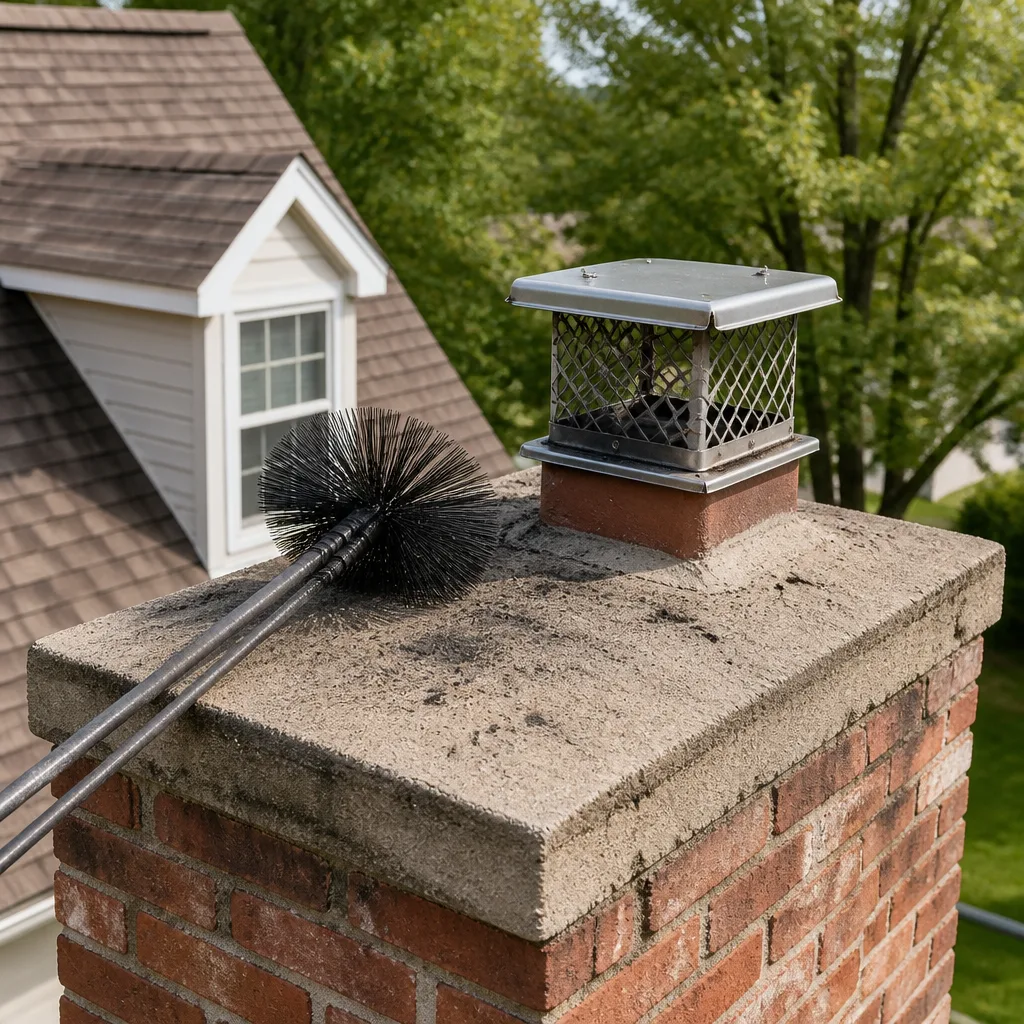 Sweep & inspection
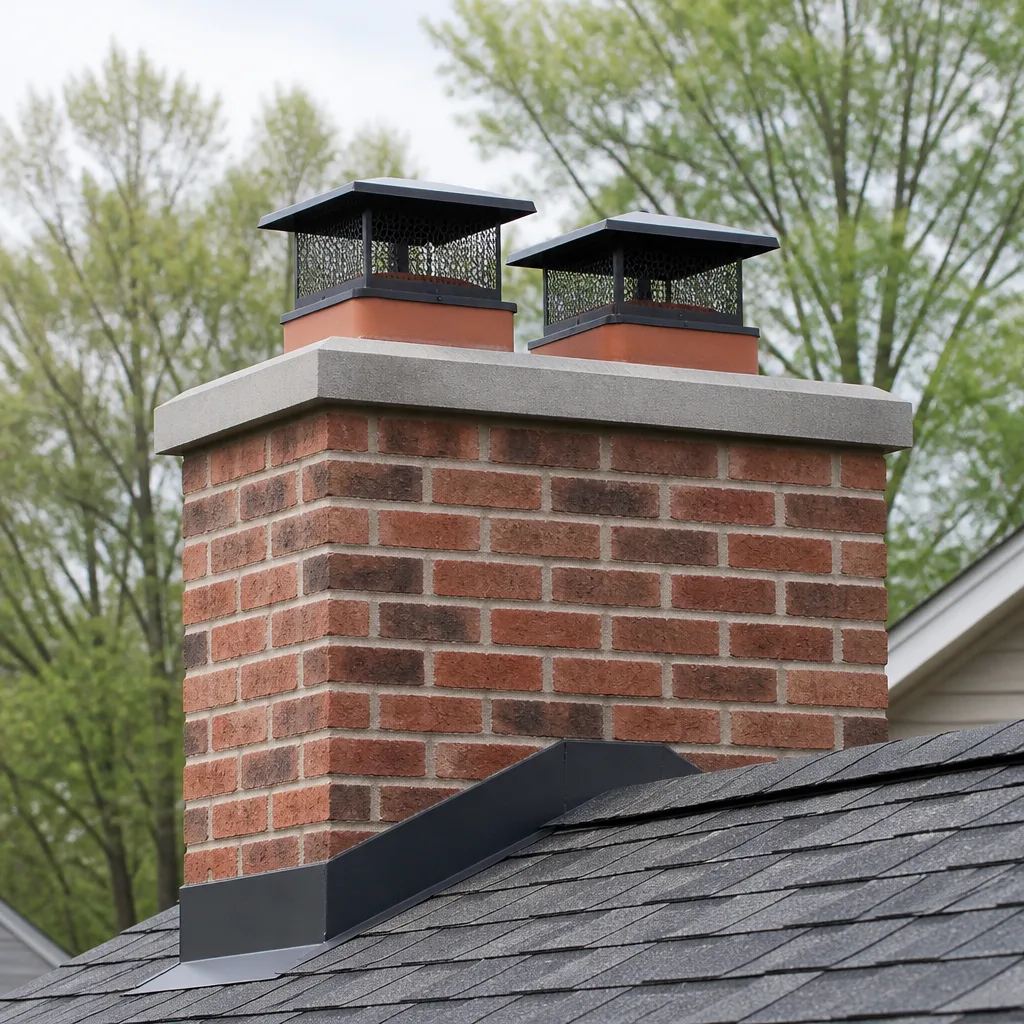 Caps & crowns
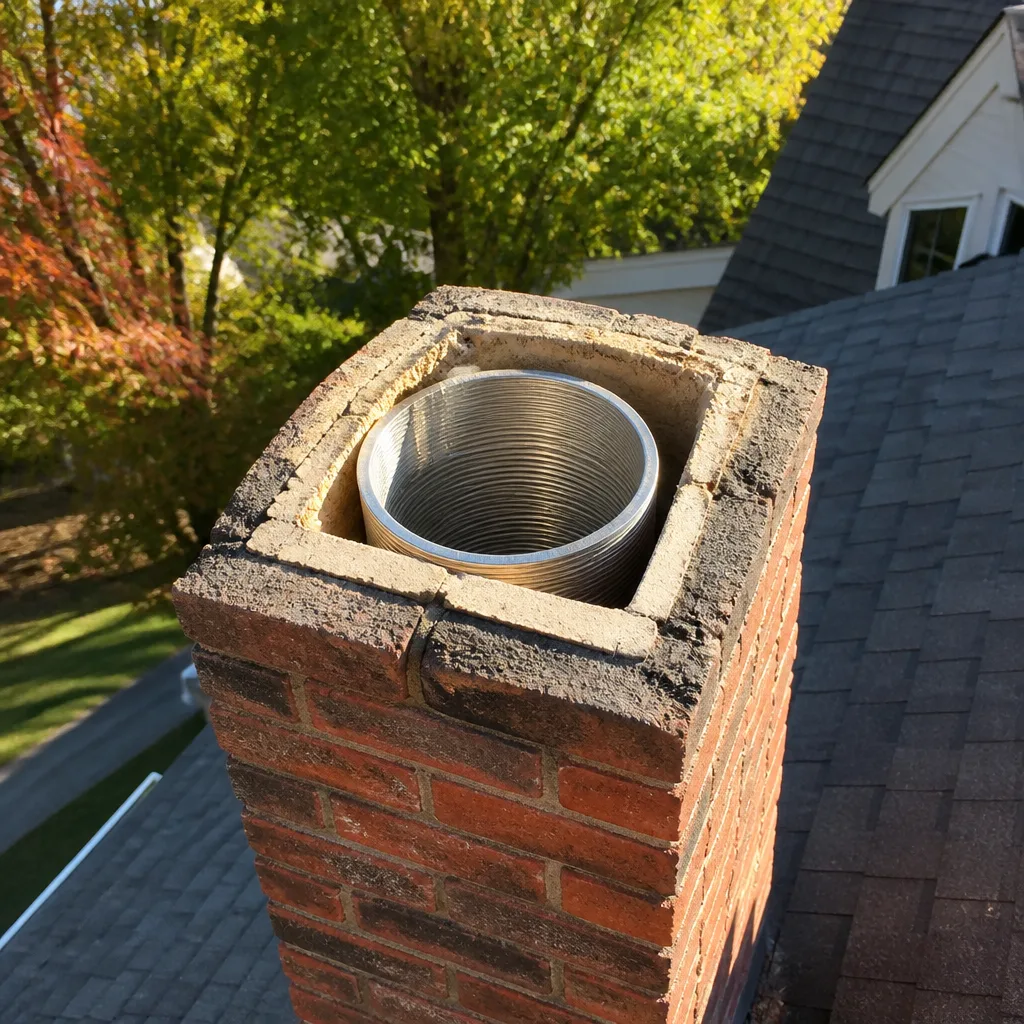 Flue relining
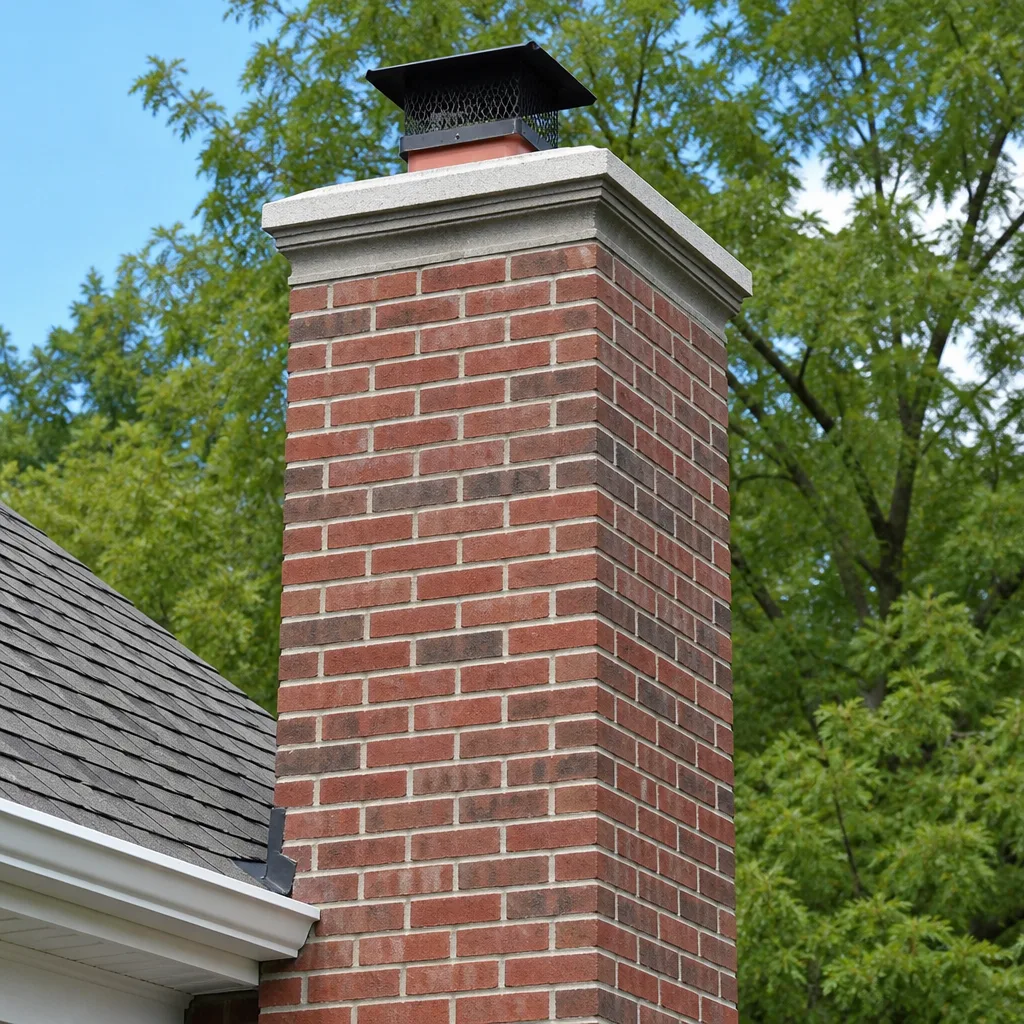 Masonry repair
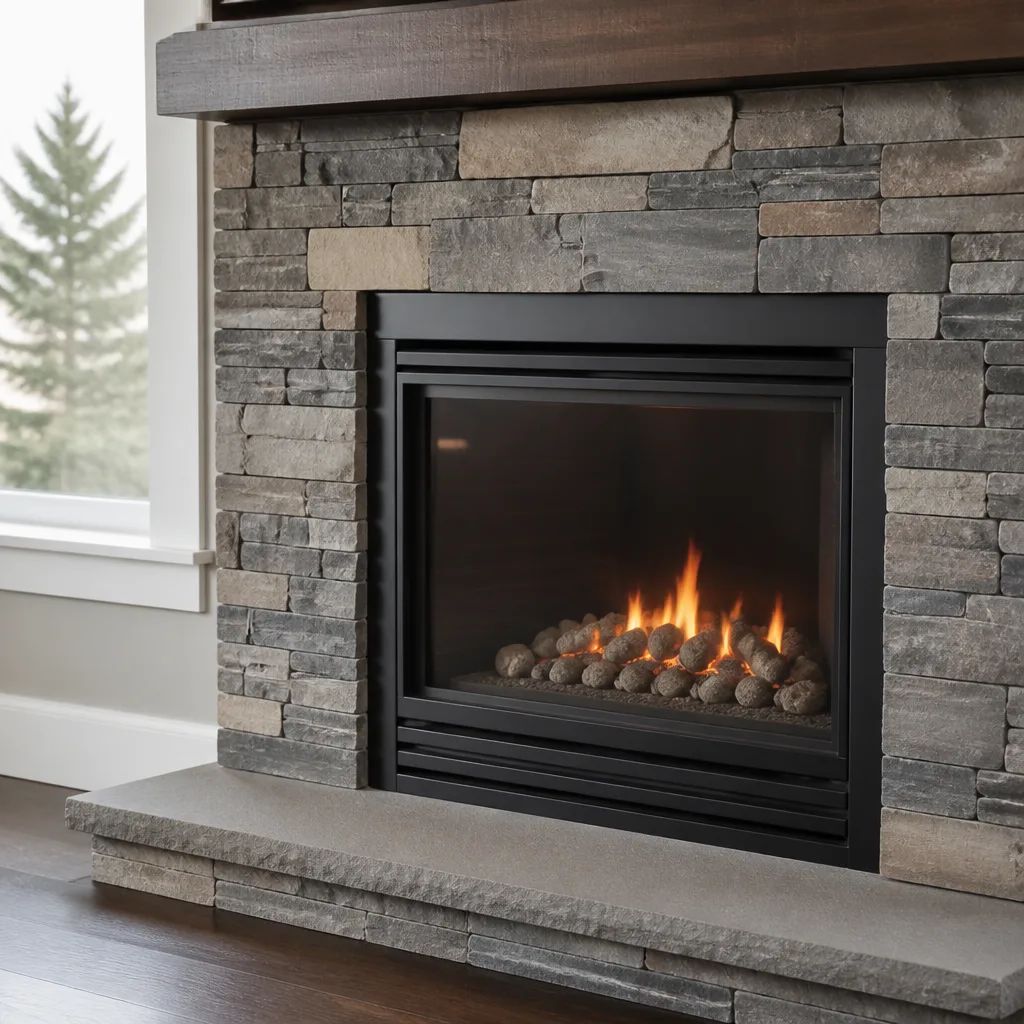 Gas fireplace service
Level 1 sweep and inspection to the NFPA 211 annual standard - flue, crown, cap, and flashing checked and photographed
Chimney sweep logs do not sweep chimneys. They loosen some creosote - which then falls where a brush and vacuum still have to collect it.
Chimney Sweep Troubleshooting: Common Problems and How to Fix Them
Smoke backing into a room is the complaint that triggers the most unnecessary relining jobs in the industry. It is routinely caused by a zero-dollar fix: opening a window by a few inches to break negative air pressure. Before you spend thousands on a liner you may not need, it pays to understand what your chimney is actually telling you.
This guide walks through the symptoms homeowners in West Town and beyond see most often: smoke rollback, persistent odor, spalling brick, strange sounds during a burn, and draft problems that come and go. You will learn which symptom points to which underlying cause, what you can safely check yourself with a phone flashlight, and when the right move is to call a specialist like Brightway Chimney Sweep home.
Quick Answer
Most chimney problems fall into four categories: draft failure, creosote buildup, moisture intrusion, and structural wear. The majority of smoke-in-the-room complaints trace to negative air pressure in the home, not a damaged flue, and the fix can be as simple as cracking a window. Creosote odor, animal intrusion, and water-damaged masonry each have distinct smells and visual signatures that point to different repair paths. The first step in every case is a careful visual inspection, preferably documented with photos, before anyone quotes you a repair.
Styles & brands we work with
Table of Contents
- Smoke Backing Into the Room: Three Causes, Three Different Fixes
- Diagnosing Chimney Odor by Smell: Creosote vs. Animal vs. Moisture
- Spalling Brick on the Firebox Interior: Heat Cycling vs. Moisture Intrusion
- Popping and Rumbling During a Burn: What the Noise Tells You
- What to Document With a Phone Flashlight Before You Call
- Draft Reversal and Intermittent Smoke: The Negative Pressure Problem
- Understanding Creosote Stages and What Each Means for Cleaning
- The Dryer Vent Connection: When Your Chimney Is Fine but the Vent Is Not
Smoke Backing Into the Room: Three Causes, Three Different Fixes
When smoke pours into your living room the moment you light a fire, the instinct is to assume something is wrong with the chimney structure. More often than not, the chimney itself is fine. In our experience serving West Town, roughly three conditions account for nearly every smoke rollback complaint, and they demand entirely different responses.
Negative air pressure is the one most people never consider. Modern homes are sealed tighter than they were forty years ago. Exhaust fans, bathroom vents, kitchen range hoods, and even a running dryer all pull air out of the house. When the house can’t pull enough replacement air through gaps and seams, it pulls down the chimney, the path of least resistance. The fire burns, the smoke rises, hits the top of the flue, and gets dragged right back down into the room. The fix costs nothing: crack a window on the same floor as the fireplace, or turn off competing exhaust sources. If this resolves it, you have your answer, and no chimney repair is needed.
A blockage presents differently. Smoke comes back immediately and steadily, not in occasional puffs. You will often see visible debris falling or hear fluttering. The culprits are usually a bird’s nest, accumulated creosote that has narrowed the flue dramatically, or a collapsed clay tile liner. This one requires a camera inspection to confirm the location and nature of the obstruction, and then a proper removal. If the blockage consists of hardened creosote glaze, a standard sweep may not be enough; the flue may need mechanical removal or a chemical treatment.
Actual draft reversal means the chimney is pulling outside air down rather than exhausting smoke upward. It typically happens when the chimney is colder than the outside air, or when the home sits in a low-pressure zone caused by wind patterns around the roofline. Cold chimneys are common in West Town’s older brick homes, where an unlined or poorly insulated flue cools quickly between fires. The fix may be as simple as pre-warming the flue with a rolled-up lit newspaper held up near the damper before lighting the main fire, or it may point to an insulation or height problem requiring professional correction.
Each of these causes has a very different price tag attached. That is why a diagnosis should always precede a quote.
Diagnosing Chimney Odor by Smell: Creosote vs. Animal vs. Moisture
Your nose is a surprisingly accurate diagnostic tool. The three most common chimney odors smell nothing alike, and learning to distinguish them often saves homeowners in West Town a great deal of money.
Creosote odor smells like an overused campfire: acrid, tarry, sharp. It intensifies on humid days and during summer when air sinks down the chimney into the house. It means the flue has accumulated enough creosote that it is off-gassing, and it will not go away on its own. The solution is a professional sweep. If the odor persists after a sweep, the creosote may have soaked into the masonry itself, which points toward a more involved treatment, but that is a conversation to have after the standard clean has been done.
Animal intrusion odor has a decaying, organic quality. It is frequently accompanied by the smell of feces, nesting material, or in the worst cases, a dead animal that has fallen and could not get out. You may hear scratching or chirping, particularly at night. This almost always means the chimney lacks a proper cap with fine screening. The fix has two parts: removal of the animal and nesting material (which, if the animal is protected, may require coordination with a wildlife control service), followed by installation of a properly sized cap to prevent recurrence. Some West Town neighborhoods with mature trees see far more animal intrusion than others, but no uncapped chimney is immune.
Moisture-damaged masonry odor is musty and damp, like a basement after rain. It indicates water is getting into the chimney system: through a cracked crown, failed flashing, or porous brick. Left unaddressed, this water causes spalling, liner deterioration, and in freezing weather, accelerated damage from the freeze-thaw cycle that is common in West Town winters. The sweep may reveal damp soot or visible staining inside the firebox. The repair path depends on where water is entering, which is why we document everything with a chimney camera before recommending work.
Smell is not a substitute for inspection, but it tells you which questions to ask. Homeowners who can describe the odor accurately give a technician a substantial head start.
Spalling Brick on the Firebox Interior: Heat Cycling vs. Moisture Intrusion
Spalling is the flaking, chipping, or popping of the brick face. It happens when the surface of the brick loses its bond and begins to shed. On the firebox interior, where your fires actually burn, spalling nearly always traces to one of two sources: repeated heat cycling or water intrusion.
Heat-cycling spalling comes from years of intense temperature swings. The firebox bricks heat rapidly when a fire is lit, then cool slowly after it dies. Over hundreds or thousands of cycles, the mortar joints and brick faces begin to deteriorate. This type of spalling shows as a uniform roughening or shallow flaking across the firebox floor and lower walls. It typically does not indicate a structural emergency, but it does mean the firebrick is nearing the end of its service life and should be evaluated by a chimney professional to determine whether replacement is needed before the damage extends to the surrounding structure.
Moisture-driven spalling looks different. It often appears as larger, deeper chunks that have broken away, frequently accompanied by white efflorescence staining. The water is entering either from the top of the chimney (crown, cap, or flashing) and migrating down, or it is being driven into the face brick by rain and wind. This type of damage worsens every winter in West Town, where freeze-thaw cycling exploits every crack and gap. Water enters, freezes, expands, and forces the brick apart from within.
The distinction matters because the fixes are different. Heat-cycling spalling may be addressed by replacing the firebrick. Moisture-driven spalling demands that the water source be corrected first. Replacing brick without fixing the water entry point means you will be repeating the repair in a few years. A proper diagnosis includes checking the crown, flashing, and brick condition above the roofline, because the cause of firebox damage is rarely visible from the living room.
Popping and Rumbling During a Burn: What the Noise Tells You
A healthy wood fire should sound like fire: crackling timber, the occasional pop of sap, the low rush of air up the flue. When you hear popping or rumbling inside the chimney itself, that is a different signal entirely.
Popping and crackling from inside the flue during a hot burn often means a glaze of third-degree creosote has formed on the flue walls. This tar-like substance is the most dangerous form of creosote because it is highly concentrated fuel. As it heats, it can expand, crack, and pop. In some cases, the noise is the prelude to a small creosote ignition, and if conditions are right, a full chimney fire. If you hear this, the correct response is to damp the fire down as safely as possible and have the chimney inspected before the next burn. Third-degree glaze cannot be removed by a standard wire brush. It requires mechanical removal or a chemical treatment process, and a professional should assess whether the flue liner has been damaged by the heat.
A low, sustained rumbling during a fire can indicate air turbulence in an oversized or improperly drafted flue. This is more common in older West Town homes where the original masonry chimney was sized for a much larger, open fireplace and is now serving a smaller insert or stove. The result is inefficient draft and odd acoustics. It can also signal a partial blockage that is forcing air through a narrower passage than the flue was designed for. This is a problem that benefits from a camera inspection to distinguish between an airflow issue and an obstruction.
The sounds a chimney makes are early warning signals. They precede the visible damage by weeks or months in many cases, and a homeowner who recognizes them can prevent a small issue from becoming a structural one. The team at Chimney Sweep in West Town has encountered every sound a chimney can produce, and a phone call describing what you heard is often enough to know whether the situation is routine or urgent.
What to Document With a Phone Flashlight Before You Call
You do not need a chimney camera to gather useful information before a professional arrives. A phone flashlight, a steady hand, and five minutes of observation can substantially change the quality of the conversation you have when you call.
- Shine the light up the flue from inside the firebox. Look for visible creosote buildup: black, shiny, or flaky deposits. Note whether the deposits look like fine dust, rough flakes, or a glossy, tar-like coating. Creosote that looks wet or shiny is the hardened third-degree form that demands more than a standard sweep.
- Examine the firebox floor and walls for debris. If you find chunks of flaking material, brick pieces, or a fine sand-like grit, take a photo. This is evidence of masonry deterioration, and documenting it helps the technician understand what has already been happening inside the unit.
- Check the damper. Open and close it fully. Note whether it moves freely, whether it appears rusted, and whether it seats completely. A damper that does not fully open or close affects both draft and energy efficiency.
- Look for water staining. Shine the light across the firebox walls and note any dark streaks, white mineral deposits, or areas where the brick looks darker than the surrounding material. These are moisture indicators that should be photographed.
- Go outside and photograph the chimney. Stand back and take a full view of the chimney from ground level. Note whether the crown looks cracked, whether the cap is missing or bent, and whether any visible brick is spalling or missing mortar. You may not be able to see fine details from the ground, but a clear photo gives the technician a baseline.
Documentation changes the service conversation. When you can describe what you saw, where you saw it, and send a photo, you are less likely to receive an inflated diagnosis. A contractor that offers Chimney Repair in West Town should welcome this information, not discourage it. It demonstrates an informed customer, and transparent specialists like working with informed customers.
Draft Reversal and Intermittent Smoke: The Negative Pressure Problem
Draft reversal is one of the most misunderstood chimney problems. A chimney is not a vacuum pump. It does not actively pull smoke out. It works by buoyancy: hot air rises, and the chimney provides a contained column for that rising air to travel through. When that column is disrupted, smoke goes where it can.
Negative air pressure disrupts the column from the house side. Any appliance that exhausts air outside, a kitchen range hood, bathroom fan, clothes dryer, whole-house fan, even a forced-air furnace without proper makeup air, creates a pressure deficit inside the home. The chimney becomes the route through which outside air is pulled back in to equalize the pressure. When you light a fire, the smoke goes up initially, then meets the descending column of outside air and spills back at the top of the firebox opening.
The diagnostic is simple. When smoke begins to roll back in, open the nearest window by four to six inches. If the problem resolves within a minute or two, the cause is negative air pressure, not a chimney defect. West Town homes range from century-old brick buildings to newer sealed construction, and the older homes with recently replaced windows are particularly prone to this. The old leaky windows acted as passive makeup air; the new ones seal the house completely, and no provision was made for combustion air.
Intermittent smoke that comes and goes depending on the weather points to atmospheric conditions. Warm, damp air outside can prevent proper draft, as can wind patterns that create turbulence around the chimney. These are not structural problems, though persistent wind-related issues may be addressed with a chimney cap designed to stabilize draft in windy conditions.
If opening a window does not help, the next step is a professional evaluation. The problem could be a restrictive cap, an improperly sized flue, a blockage, or a damper issue. The distinction matters because the solutions range from zero-dollars to several-thousand dollars, and you want an accurate diagnosis before you commit to anything.
Understanding Creosote Stages and What Each Means for Cleaning
Creosote is not a single substance. It forms progressively, and each stage has different properties and requires a different approach to remove. Knowing which stage is present helps you understand what a sweep is actually charging for.
- First-degree creosote is a fine, sooty powder that develops from relatively complete combustion. It brushes away easily with a standard chimney sweep. If you burn dry, seasoned wood and have a well-functioning fireplace, this is likely what you are producing. It still needs periodic removal, but it is the least concerning form.
- Second-degree creosote appears as flaky, crunchy deposits. It forms when the fire does not burn hot enough to fully combust the wood gases, often from burning wet wood, restricting the air supply, or keeping the damper mostly closed. It is removable by a professional sweep, though it takes more work than the first-degree material.
- Third-degree creosote is the glaze. It resembles shiny, tar-like coating that hardens onto the flue walls. This is concentrated fuel. It forms in low-temperature fires, such as those in an oversized flue serving a small insert, or from smoldering fires. Standard brushes will not touch it. Removal requires mechanical rotary tools, chemical treatments, or both. A flue with third-degree creosote is a serious fire hazard and should not be used until it has been addressed.
West Town homeowners who burn wood as a primary heat source in older fireplaces are more likely to encounter the flakier or glazed stages, particularly if the wood is not fully seasoned or the fireplace is used for long, slow burns. The practical takeaway: if a sweep quotes you a cleaning price sight unseen, ask what stage of creosote the quote assumes. See Choosing the Right Chimney Cleaning Brand: A Buyer’s Guide for West Town for help evaluating contractors. A flue with glazed creosote costs more to clean properly, and a contractor who does not acknowledge that until they are on-site may be either inexperienced or pricing to upsell later.
The Dryer Vent Connection: When Your Chimney Is Fine but the Vent Is Not
Chimney problems sometimes get blamed for what is actually happening elsewhere in the exhaust system. A dryer vent is a chimney in miniature: it exhausts hot, moist, lint-laden air from the appliance to the outdoors. When it clogs, the symptoms can be confusingly similar to chimney draft problems.
A clogged dryer vent causes the dryer to overheat, run longer cycles, and in some homes, push humid air back into the laundry room. That smell, warm, slightly burnt, vaguely musty, is sometimes mistaken for a fireplace odor if the laundry room is near the chimney chase. The two systems are separate, but they share a vulnerability: both accumulate flammable residue when not cleaned regularly.
Dryer lint is one of the leading causes of residential house fires in the United States, which is why we treat Dryer Vent Cleaning in West Town as a core part of the same fire-safety conversation as chimney sweeping. If your chimney checks out clean but you still notice odd smells, slow dryer performance, or excessive heat in the laundry area, the vent is the next thing to inspect.
The diagnostic signs are straightforward: clothes taking more than one cycle to dry, the dryer exterior felt hot to the touch mid-cycle, or a burning smell that appears only when the dryer runs. If you see any of these, stop running the dryer until the vent has been checked. A lint-filled vent is a fuel-packed tube, and the heat from a dryer is enough to ignite it.
Brightway Chimney Sweep handles chimney sweeping, chimney repair, and dryer vent cleaning under one roof, which means a single visit can address both sides of the exhaust equation. That is not a convenience detail. It is the difference between diagnosing a symptom and diagnosing the house.
Common Mistakes to Avoid
- Lighting a test fire right after opening a window and declaring the problem solved. Negative air pressure that resolves with a window open tells you the chimney was never the issue, but leaving the window cracked forever is not a real fix. If the problem only appears when the house is sealed, plan for a proper combustion air solution before relying on the fireplace.
- Ignoring a faint creosote smell until it disappears on its own. It does not disappear. It fades with the weather and returns. By the time the odor is strong enough to notice on a cool fall evening in West Town, the creosote has been accumulating all summer.
- Burning those “chimney cleaning logs” as a substitute for a sweep. The chemical logs sold at hardware stores may loosen light soot, but they do not remove the dense deposits. A professional sweep is still required, and the loosened material can also fall and create a blockage if not removed properly.
- Using the fireplace with the damper partially closed to “control the flames.” This creates a cooler, smokier fire that produces second and third-degree creosote far faster than a proper, hot burn. The damper should be fully open during use.
- Patching spalled brick with caulk or mortar from a hardware store. Firebox repair requires refractory materials rated for repeated heat cycling. Retail masonry products will fail, often within a single burning season, and the failed patch can conceal deeper damage.
- Running the dryer while you are away from home. A clogged vent can smolder and ignite when no one is there to notice. The safest habit is to run dryers only when someone is in the house and awake, and to keep the vent cleaned on schedule.
- Accepting a relining recommendation without seeing the camera evidence. No reputable chimney professional should recommend a liner replacement without showing you the footage that justifies it. If the recommendation is based on a visual inspection from the roof or firebox only, ask for the camera before you decide.
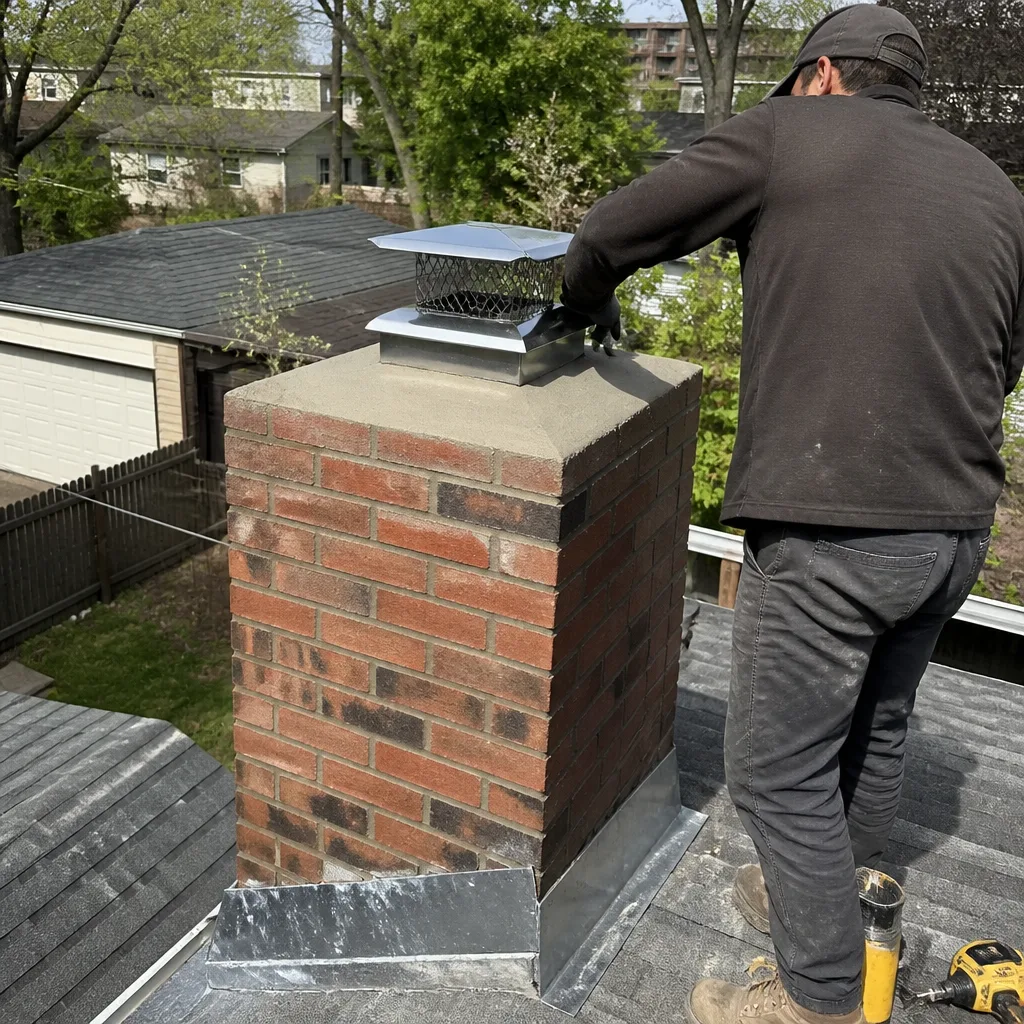
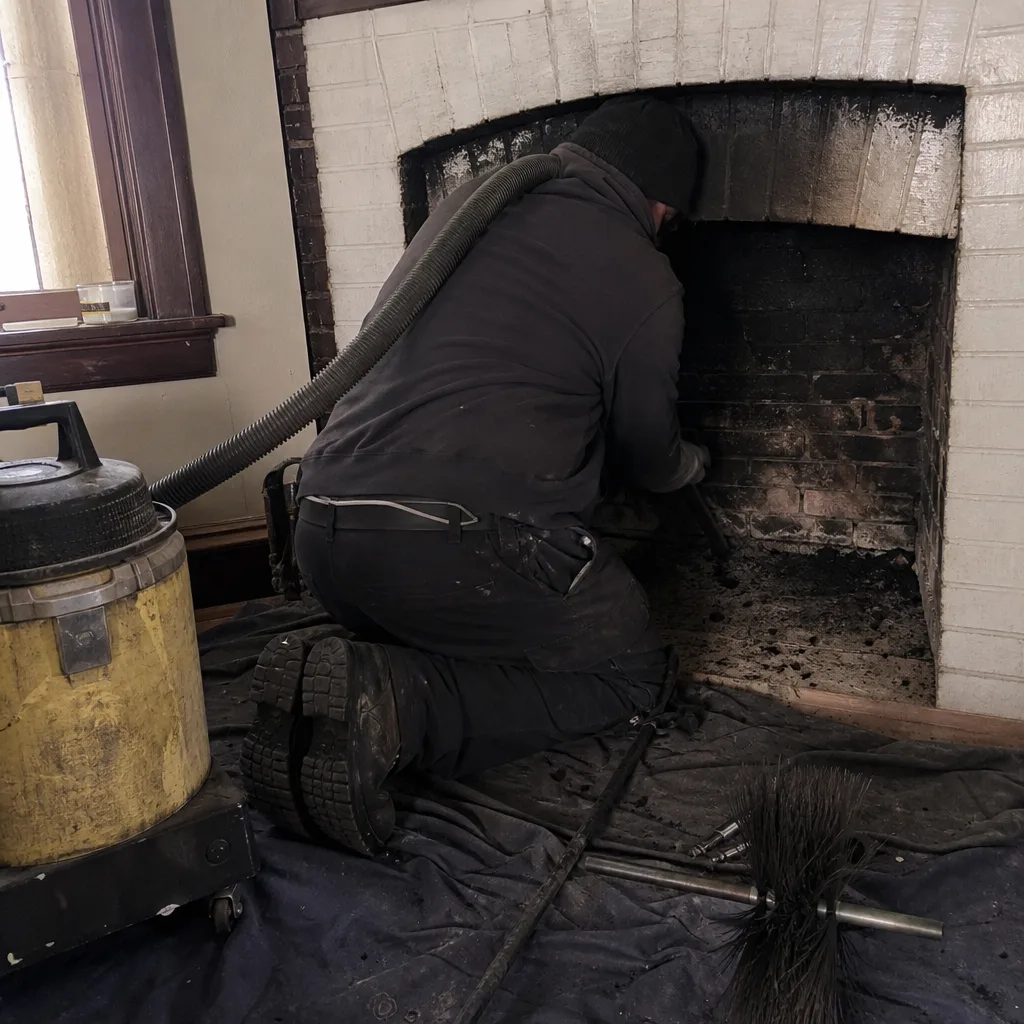
See the difference
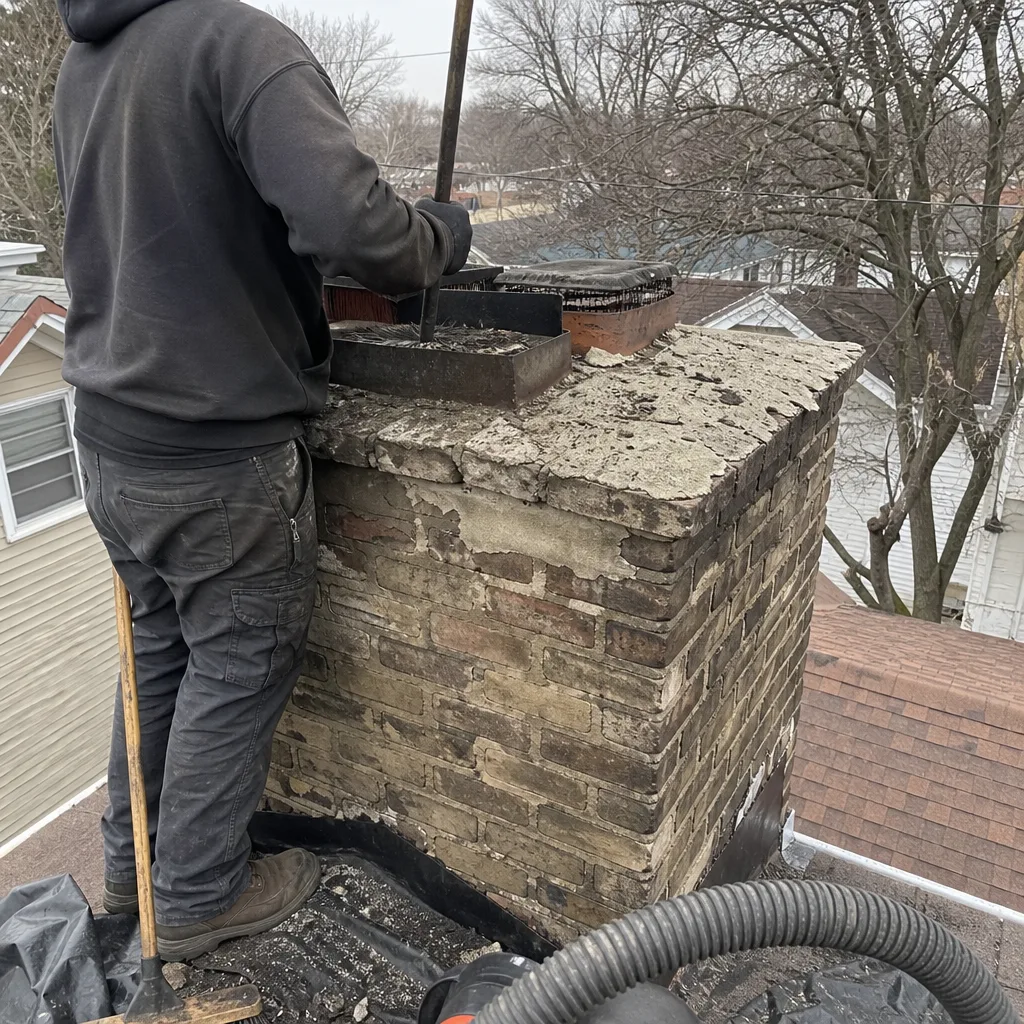 Before
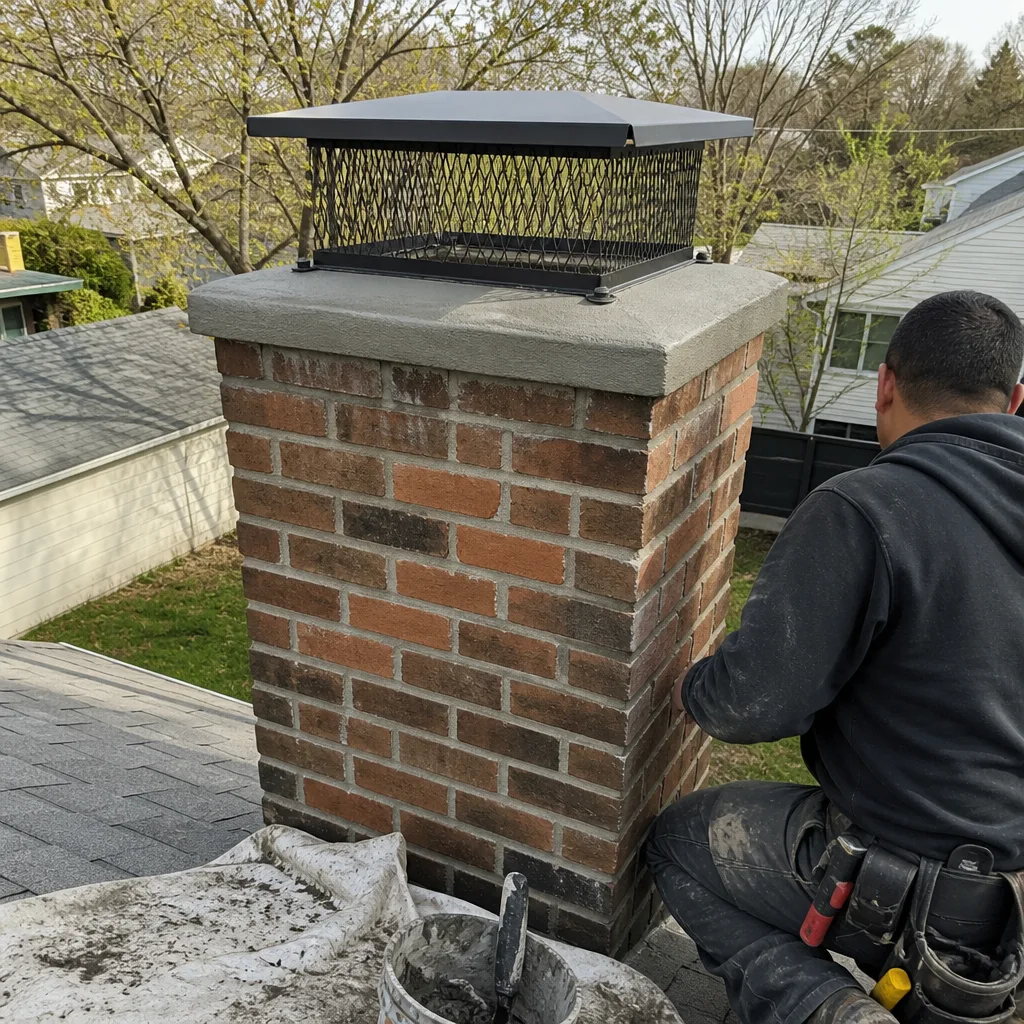 After
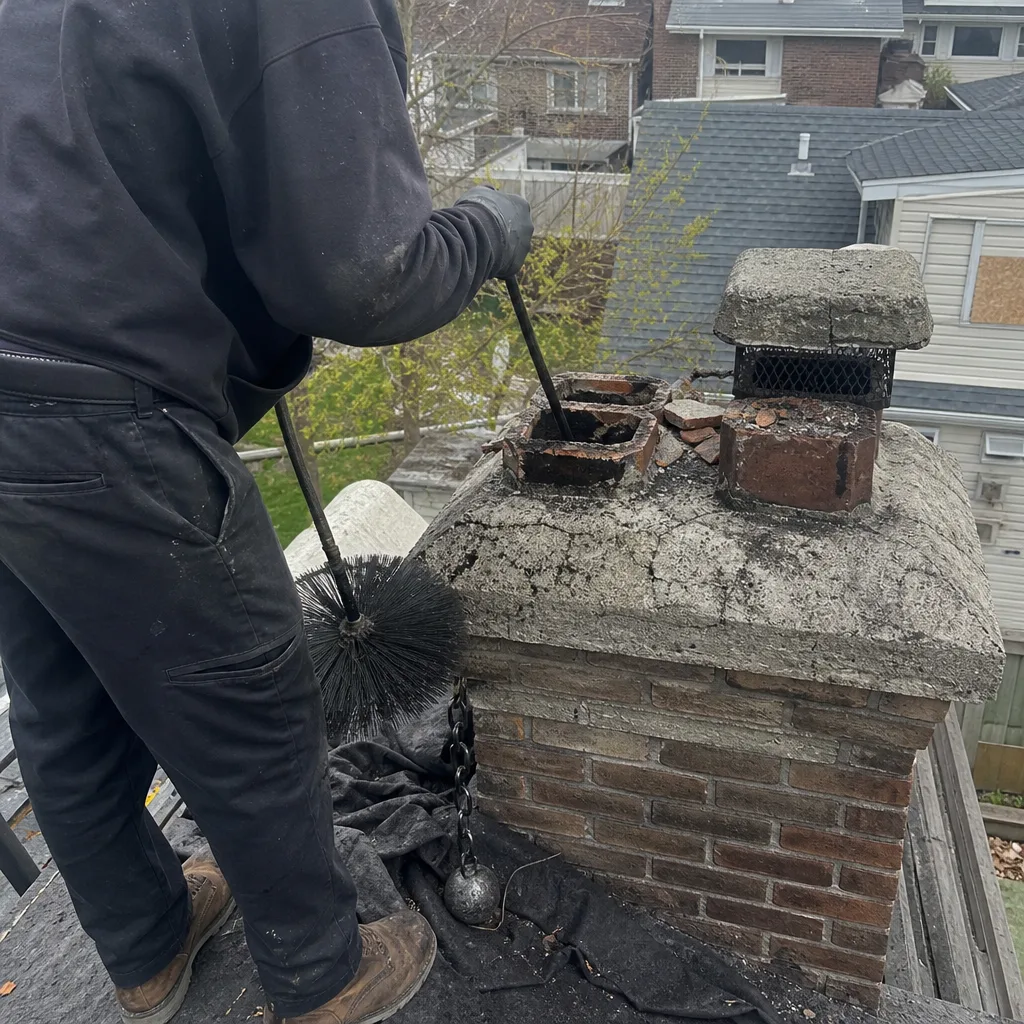 Before
 After
 Before
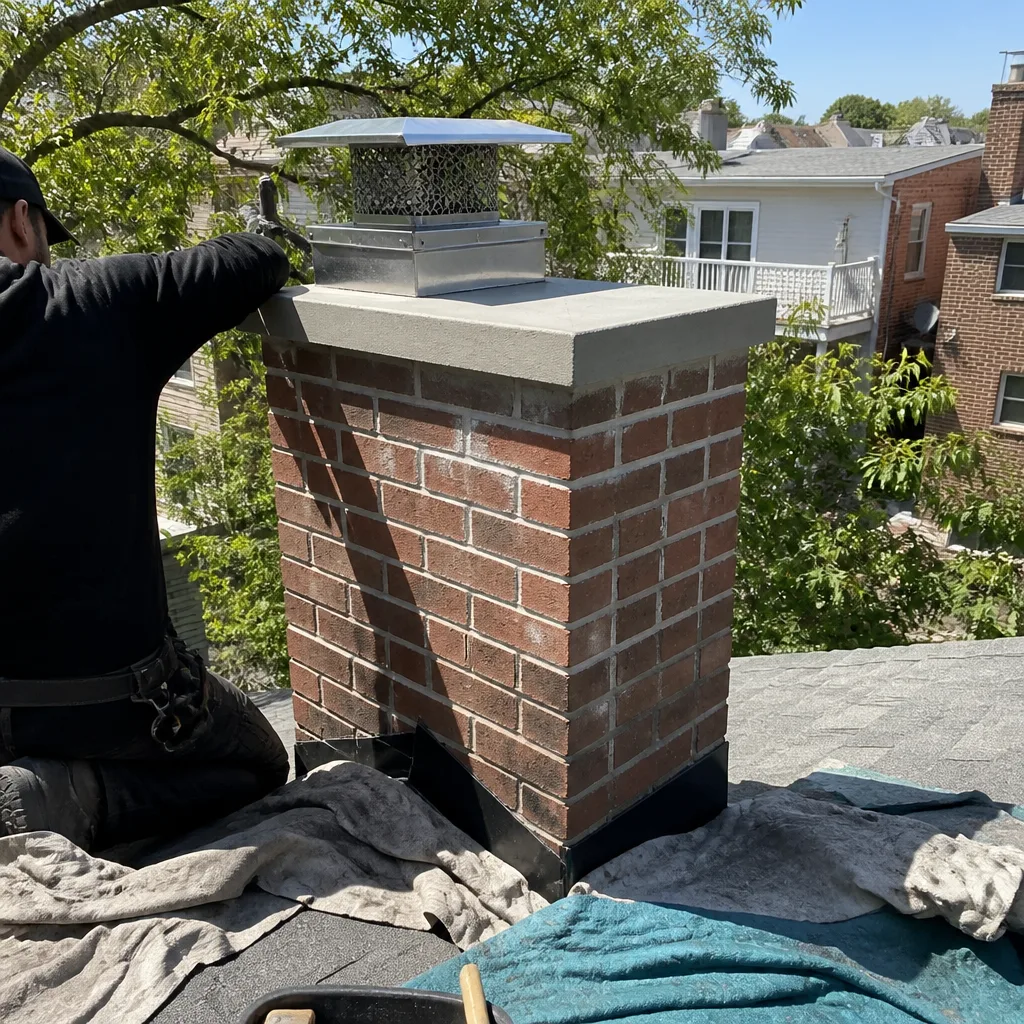 After
When to Call a Professional
Call a professional when you see third-degree creosote glaze, when you hear popping or rumbling inside the flue, when smoke continues to roll back even with a window open, when you find animal nesting material, or when you see water staining that suggests moisture is entering the chimney system. These are not conditions that resolve with time, and some of them get more expensive, or more dangerous, with every additional fire. Brightway Chimney Sweep offers free estimates in West Town. Call (833) 365-6591 to schedule an inspection. A straight answer costs less than a wrong guess.
Frequently Asked Questions
A standard chimney sweep in West Town typically costs between $180 and $320, depending on the condition of the flue, the level of creosote, and whether the inspection includes a camera. Heavy third-degree creosote requires additional mechanical removal and runs higher. Call (833) 365-6591 for an exact quote, estimates are free.
Not necessarily. Smoke rollback is caused by negative air pressure, a blockage, or draft reversal far more often than by a failed liner. If the smoke resolves when you crack a window, the liner is likely fine. Always ask for camera evidence before agreeing to any relining recommendation.
The general rule is once per year, or after every cord of wood burned, whichever comes first. In West Town, where wood-burning fireplaces are common in older homes and burning seasons stretch from October through March, an annual service is the minimum. For a deeper look at scheduling and what the service includes, see The Complete Chimney Sweep Guide for West Town Homeowners. Heavier use or burning less-seasoned wood may require a mid-season sweep.
Creosote accumulates with every fire, and it is the primary fuel source for chimney fires. In addition, accumulated debris can block the flue, forcing smoke and carbon monoxide back into the home. Skipping a sweep means trading a modest cleaning cost for a structural risk and a potential safety hazard.
Summer chimney odor is usually creosote off-gassing in warm, humid conditions, or it may be caused by animal intrusion. Creosote odor intensifies when air sinks down the chimney into the house. A spring sweep after the burning season ends prevents this cycle, and a proper cap with screening prevents animals from moving in during the warmer months.
You can inspect it, but professional cleaning is a different matter. A proper sweep requires access to the roof, specialized brushes sized to the flue, and a dust-control process that keeps soot out of the living space. The equipment is affordable to rent but the technique matters more than the tool. A missed area of creosote accumulates additional material quickly, and a homeowner on a ladder in West Town’s winter conditions is not a safer bet than a professional.
The Bottom Line
Your chimney communicates its condition through smoke behavior, odor, sound, and visible wear. The skill is in reading those signals correctly before spending money on repairs you may not need. Open a window before assuming the flue is failing. Smell the difference between creosote, animal, and moisture problems. Document what you see with your phone. Check the dryer vent when symptoms do not match the chimney. When the evidence points beyond routine cleaning, Brightway Chimney Sweep handles sweeping, repair, and dryer vent service with trade-grade materials and straight answers. We have seen every problem this guide covers, and we would rather show you what we found than sell you a fix you do not need. Call (833) 365-6591 for a free estimate.
Written by the team at Brightway Chimney Sweep, serving West Town since 2016. For more guides & resources, visit our blog.