Last updated October 31, 2026
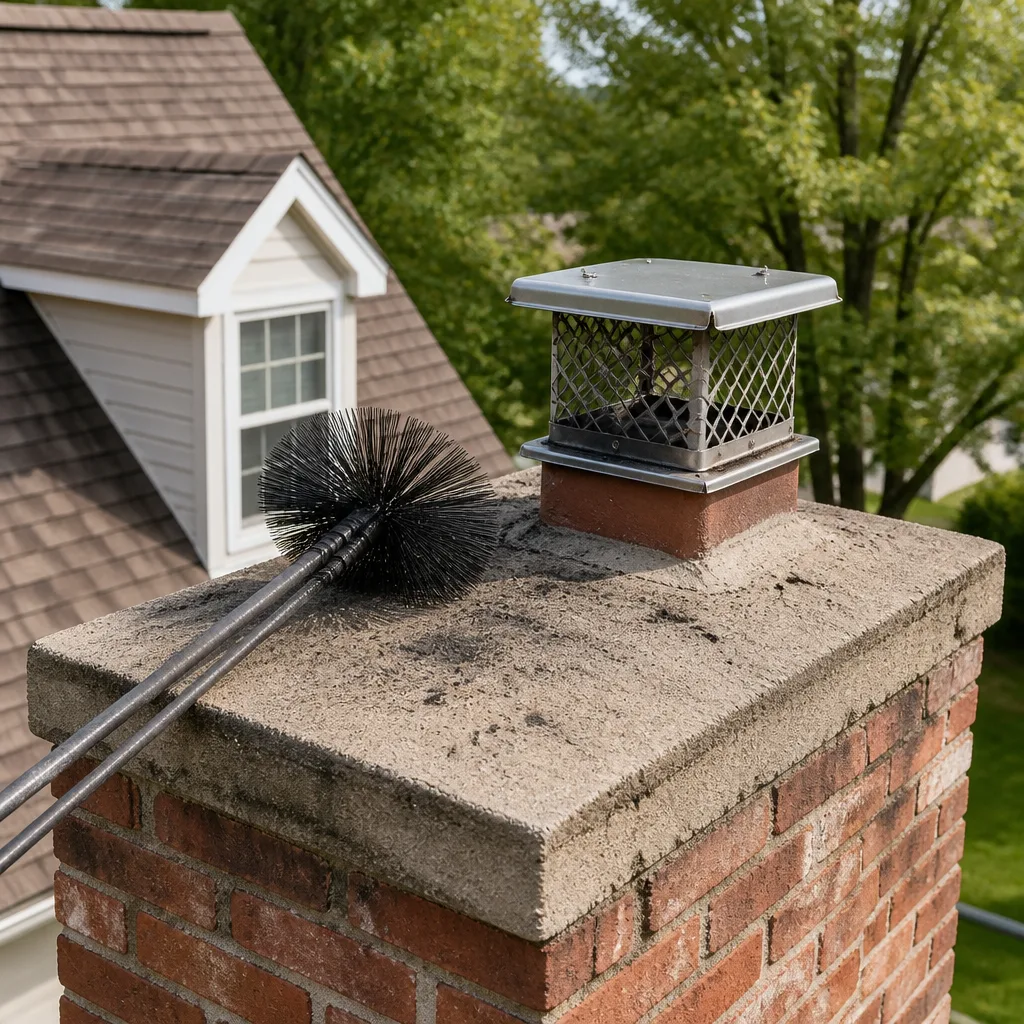 Sweep & inspection
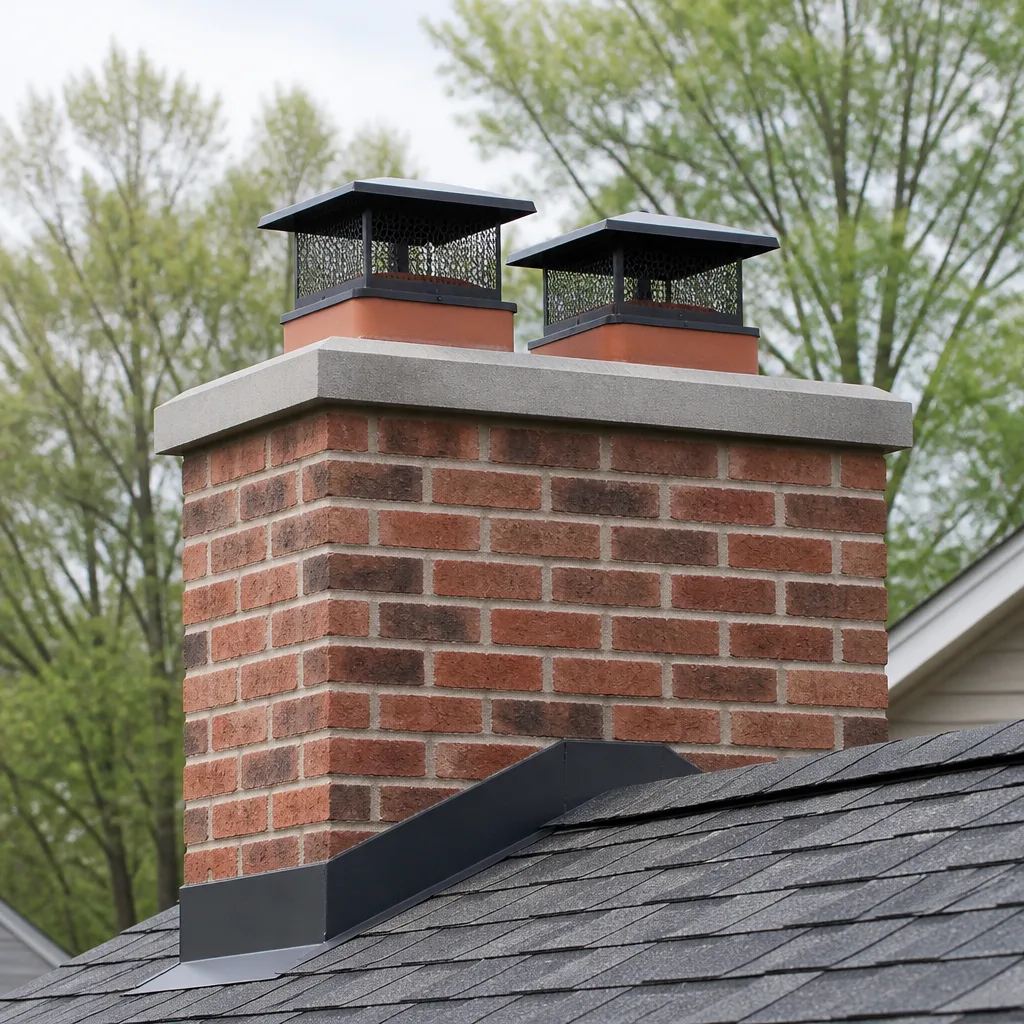 Caps & crowns
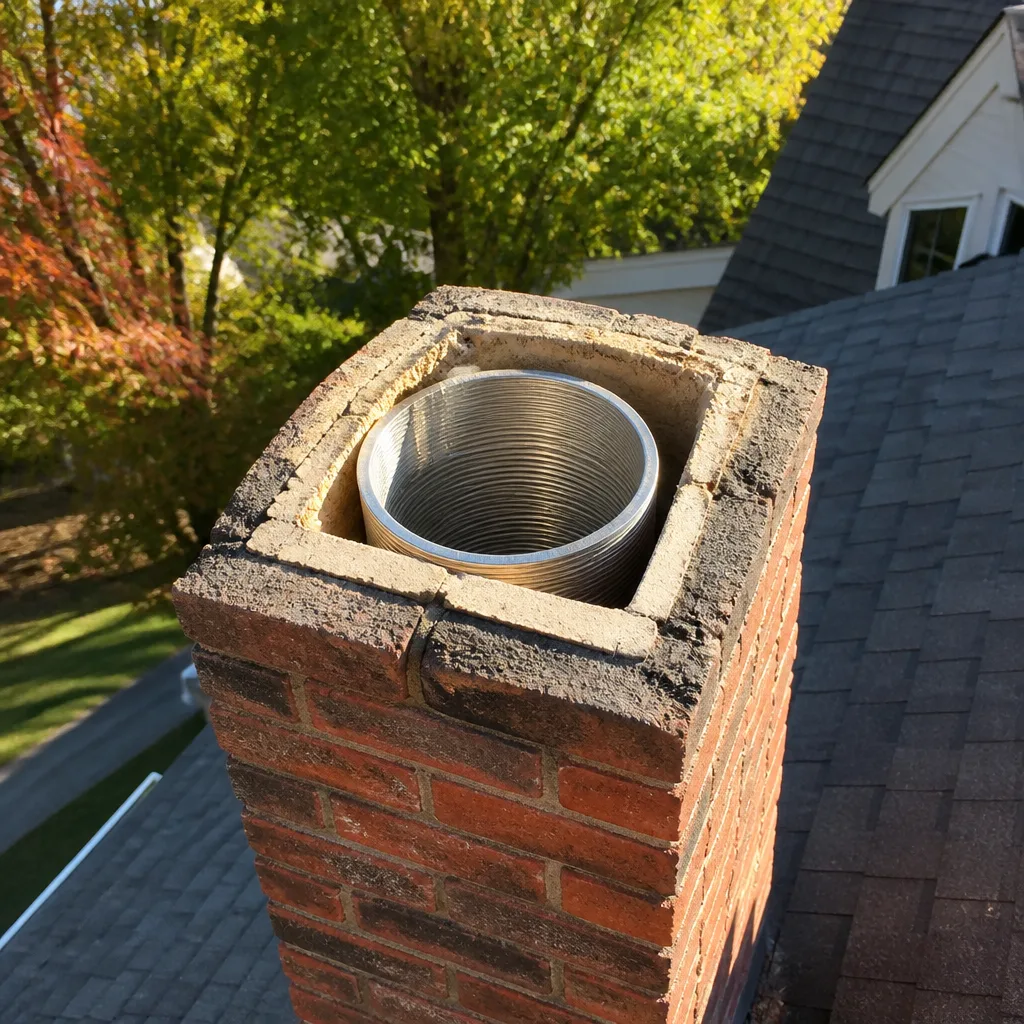 Flue relining
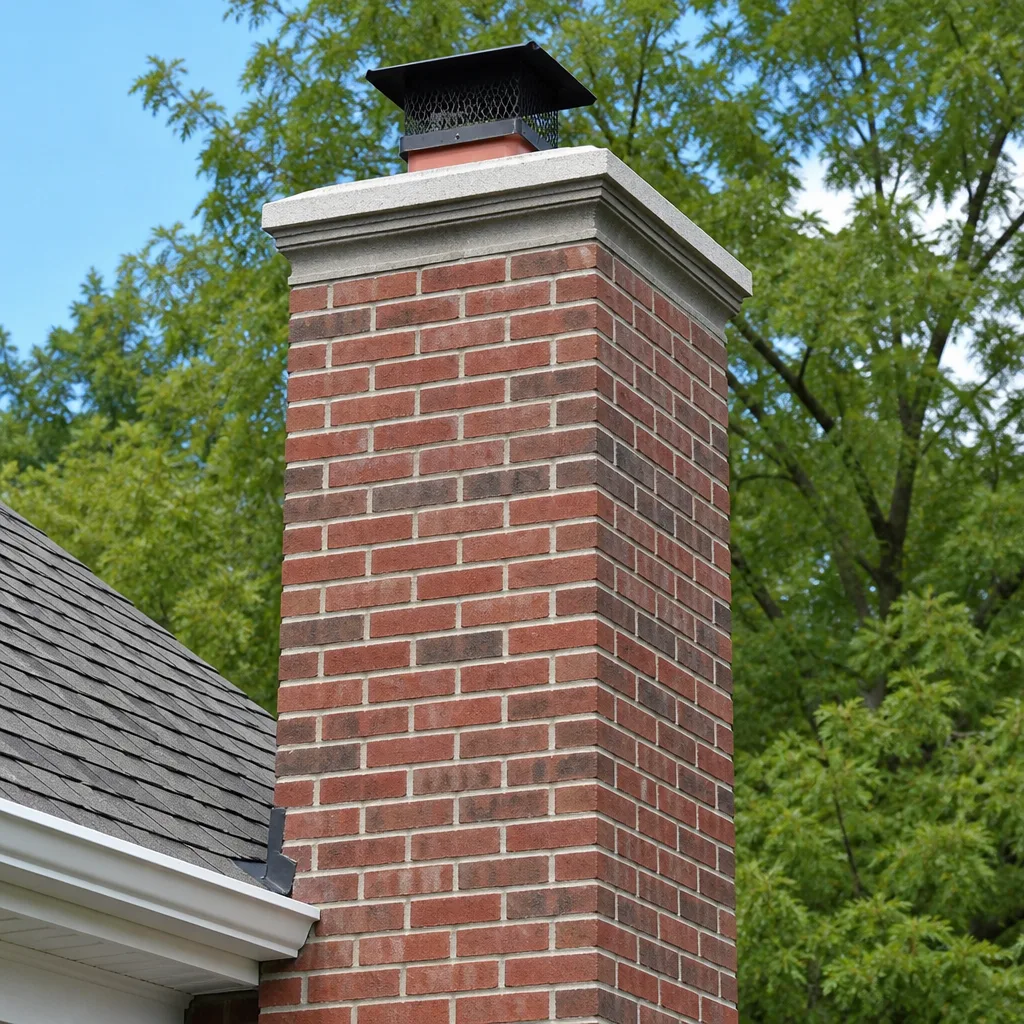 Masonry repair
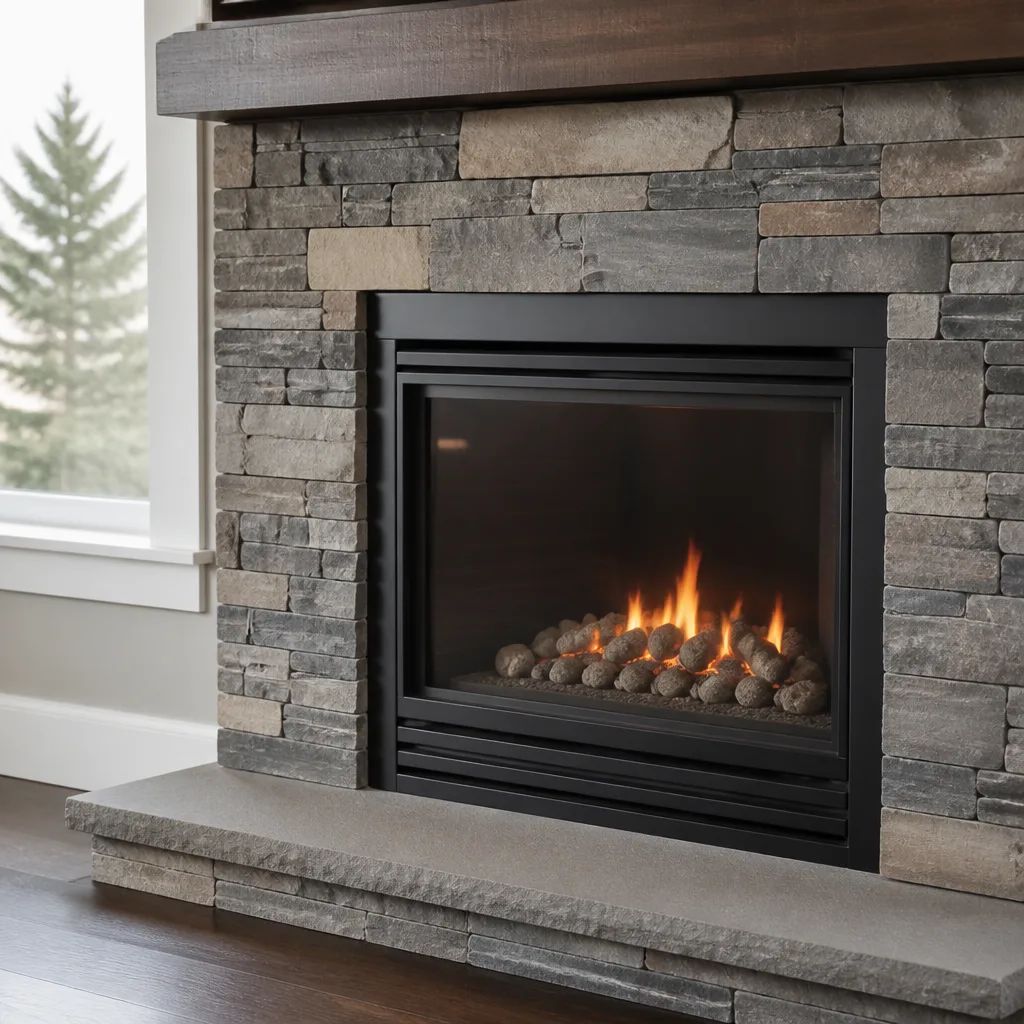 Gas fireplace service
Level 1 sweep and inspection to the NFPA 211 annual standard - flue, crown, cap, and flashing checked and photographed
Chimney sweep logs do not sweep chimneys. They loosen some creosote - which then falls where a brush and vacuum still have to collect it.
The Complete Chimney Sweep Guide for West Town Homeowners
Most West Town homes were built before 1960, which means the flue tiles inside them predate modern fireplace inserts, gas log conversions, and tighter EPA wood-stove standards. That mismatch has a real consequence: a routine “brush-and-go” sweeping was never designed to catch the problems that come from it. This guide—along with The Complete Guide to Chimney Cleaning in West Town—maps the full sequence of inspections, measurements, and decisions a qualified sweep should perform, so you know exactly what to expect and what to verify before anyone shows up at your door. Whether you burn wood, run a gas insert, or have a converted coal-to-gas setup, what follows is the standard to measure against.
Quick Answer
A proper chimney sweep in West Town is a sequence, not a single action: a Level I or Level II inspection (per CSIA protocol), a sweeping pass matched to your flue type and creosote stage, and a written report with specific line items you can verify. For most pre-1960 Chicago bungalows and greystones, a Level II inspection is the right starting point, and any sweep that produces nothing more than “passed inspection” without measurements, photos, or material notes falls short of the professional standard.
Styles & brands we work with
Table of Contents
- Why West Town’s Housing Stock Changes the Sweep
- What a Qualified Sweep Actually Includes
- Level I vs. Level II Inspections: Which One Your Home Needs
- Creosote Stages and Why Stage 2 Is the Decision Point
- How Fuel Type Changes the Protocol
- What Your Written Report Should Contain
- The Cost of a Chimney Sweep in West Town
- How a Dryer Vent Fits Into the Picture
Why West Town’s Housing Stock Changes the Sweep
West Town’s building stock is older than most Chicago neighborhoods. Walk any block between Chicago Avenue and Grand, and you’ll see brick bungalows from the 1920s, greystones from the 1890s, and worker cottages that go back further. That age matters for one reason above all: the flue systems inside those homes were built for the fuels and appliances of their era, and most have been adapted, patched, and converted multiple times since.
The typical pre-1960 chimney in West Town uses a clay tile liner. Clay tiles were the standard for decades because they handle high heat well. But they have a known weakness: the mortar joints between tiles break down with age, thermal cycling, and moisture. Chicago’s freeze-thaw cycles accelerate that breakdown. Water gets into hairline cracks, freezes, expands, and widens the gap. Over decades, those joints open up enough to let heat and combustion gases reach the brickwork or the framing around the chimney.
Meanwhile, the fireplace or stove connected to that flue has often been changed. A 1920s coal-burning fireplace gets converted to gas logs. A wood-burning hearth gets an EPA-rated insert dropped in. Each conversion changes the flue’s required size, temperature profile, and clearance to combustibles. The original clay tile was sized for a coal fire. It may be oversized for a modern gas log set, which causes condensation and acidic residue. Or it may be undersized for a wood insert, which causes draft problems and creosote buildup.
This is why a sweep in West Town cannot be the same fifteen-minute brush pass that works on a newer suburban home with a stainless liner from day one—something DIY vs Professional Chimney Cleaning: The West Town Homeowner’s Decision Guide explores in depth. The sweep has to account for what the flue was, what it is now, and what’s changed in between. In our experience, that’s the difference between a cleaning that removes surface soot and a cleaning that reveals a structural problem before it becomes a fire or carbon monoxide event.
What a Qualified Sweep Actually Includes
A professional chimney sweep has a defined sequence. It’s not a single action with a brush. Here is the order a competent technician follows, and what you should expect to see at each step.
- Visual exterior inspection. The sweep checks the masonry from the ground, looking at the crown, brickwork, flashing, and any visible cracking or spalling. On a West Town greystone, this includes checking the stone cap and parapet wall condition where the chimney exits the roof.
- Interior setup and protection. Drop cloths go down around the hearth. The sweep seals the firebox opening with a barrier to keep soot from entering the living space. If they skip this step, walk away.
- Flue inspection from below. Using a mirror, a camera, or both, the technician looks up the flue for obstructions, creosote accumulation, cracked tiles, or animal nesting. Camera inspection is the standard now; mirror-only sweeps miss too much.
- Flue inspection from the roof. The crown, chimney cap, and top flue tiles are checked for damage, missing mortar, and proper clearance to the roof line.
- Sweeping pass. The appropriate brush is matched to the flue’s shape and size: round, square, rectangular, or oval. The sweep works from the top down or bottom up, depending on the setup and the amount of buildup. A rotary or whip system may be used on Stage 2 creosote or on stainless liners.
- Post-sweep verification. The flue is checked again with the camera to verify that creosote has been removed and no new damage was exposed during the brushing.
- Report and recommendations. The sweep writes up findings, including measurements, photos, and specific repair recommendations if any are needed.
That sequence takes a thorough technician 45 to 90 minutes for a typical West Town fireplace. If someone quotes you a 20-minute job, they’re skipping half the steps.
Level I vs. Level II Inspections: Which One Your Home Needs
The Chimney Safety Institute of America (CSIA) defines three inspection levels, and knowing the difference determines what you should ask for. The distinction is not academic; it changes what gets examined and whether hidden problems get found.
Level I inspection covers the readily accessible portions of the chimney. The sweep examines the interior and exterior surfaces without special tools or access equipment. It’s the right call when the chimney is being used exactly as it was before, with no changes to the fuel type, appliance, or flue. If you burned wood last season and you’re burning wood this season, and nothing has changed, a Level I inspection is generally adequate for an annual sweep.
Level II inspection goes further. It includes everything in Level I, plus examination of the attic, crawl space, and basement areas where the chimney passes through the structure. A camera is used to inspect the flue interior. A Level II is required by CSIA standards in several specific situations:
- When the property is being sold or transferred
- After a chimney fire, earthquake, or weather event that may have damaged the flue
- When the appliance or fuel type changes (gas to wood, wood to gas, insert installation)
- When the flue liner is being replaced or a new appliance is connected
For most West Town homeowners, the deciding factor is the age of the house and the number of conversions it has been through. If your 1920s bungalow was heated with coal, converted to oil, then to gas, and now has a wood-burning fireplace insert that the previous owner installed at some unknown date, you have a textbook Level II situation. The flue has been repurposed multiple times, and the only way to verify its condition is with a camera from top to bottom.
We recommend a Level II the first time we work on any pre-1960 chimney in West Town. After that, if nothing changes, annual Level I sweeps are usually sufficient. The cost difference is modest, and the Level II gives you a baseline record of the flue’s condition that makes future changes easier to spot.
Creosote Stages and Why Stage 2 Is the Decision Point
Creosote is the byproduct of incomplete wood combustion. It condenses on the flue walls as smoke cools. The rate and character of its buildup depend on the wood you burn, the temperature of your fires, and the flue’s draft. Fireplace technicians classify creosote into three stages, and each one changes what a sweep needs to do.
Stage 1: A fine, powdery, dark brown or black dust. It brushes off with a standard wire or poly brush and leaves the flue surface largely intact. This is what you want your chimney to look like at the start of every sweep. It comes from hot fires with seasoned wood.
Stage 2: A flaky, crusty buildup that looks like cracked paint or peeling bark. It comes from cooler fires, unseasoned wood, or restricted air supply. It does not brush off with a standard brush alone. It has begun to bond to the flue wall, and removing it typically requires a rotary loop or chemical treatment. This is the decision point. If you’re at Stage 2, a brushing-only sweep is no longer sufficient. The flue needs mechanical cleaning with a powered system, and if the condition persists, the conversation shifts to relining or resurfacing.
Stage 3: A hard, glazed, tar-like coating that can look like a shiny black glass. It has the consistency of roofing tar and is extremely difficult to remove. Stage 3 creosote is the material that fuels chimney fires: it burns at very high temperatures once ignited. Rotary chains, chemical removers, and multiple passes are required. In many cases, the best long-term solution is not just cleaning but resurfacing the flue with a product like HeatShield, which seals and restores the flue surface after the Stage 3 material is mechanically removed.
Here’s the practical takeaway for West Town homeowners: if you haven’t had your chimney swept in three or more years, assume Stage 2 or Stage 3. Ask your sweep what stage they found and what method they used to remove it. If they can’t tell you the stage, they weren’t looking.
How Fuel Type Changes the Protocol
West Town’s housing mix means we see several different setups on a regular basis, and each requires a different sweep protocol. The general “brush the chimney” advice doesn’t fit all of them.
Wood-burning fireplaces are the classic open-hearth setup. They produce creosote at the highest rate, and the sweep focuses on removing creosote from the flue walls and smoke shelf, plus checking the damper for proper operation. The flue is typically a larger masonry passage, and the primary risk is creosote ignition. Annual sweeping is the recommendation.
Gas log sets in a wood fireplace are common in converted West Town homes. Gas produces no creosote, which leads some homeowners to skip sweeping. That’s a mistake. Gas exhaust contains acidic condensation that corrodes mortar joints and damages clay tiles over time. The sweep for a gas log setup focuses on checking the flue for that acidic damage, verifying the damper is properly clamped open, and confirming adequate ventilation. These systems need inspection, not just brushing, and the damage they cause is often invisible without a camera.
Gas inserts are sealed combustion systems that vent through a direct-vent or liner system. They require a different protocol: the sweep checks the termination cap for blockages, inspects the vent joints, and verifies the unit is drafting properly. The interior of the flue may need little or no brushing, but the connections and seals are the critical points.
Converted coal-to-gas systems are particularly common in older West Town greystones. The original coal flue is often oversized for the gas appliance now connected to it, which creates weak draft and condensation. The sweep protocol here includes verifying the flue size against the appliance’s requirements and checking for the water damage that an oversized flue causes. Many of these conversions need a stainless liner, such as a DuraFlex system, to bring the flue down to the correct size for a gas appliance.
One-size-fits-all sweeping does not exist. The right protocol depends on the fuel and the flue, and that’s part of what a specialist evaluates before any brush touches the chimney.
What Your Written Report Should Contain
After the sweep, you should receive a written report. That report is the evidence that the work was done properly, and it’s also the record you’ll refer back to if problems develop later. A vague “passed inspection” note is not enough. Here are the specific line items a professional report should include.
- Flue dimensions in inches, inner diameter or rectangular measurements, and total height. Without these, no one can verify whether a liner fits or an appliance drafts correctly.
- Liner material (clay tile, stainless, cast-in-place) and its condition, with note of any missing mortar joints, cracks, spalling, or gaps.
- Creosote stage found before cleaning (Stage 1, 2, or 3) and the method used to remove it.
- Inspection level performed (Level I or Level II), including whether a camera was used.
- Damper operation: opens, closes, seals properly, or notes of damage.
- Crown and cap condition, including any missing mortar, cracks, or lack of a rain cap.
- Clearance notes: any combustible material too close to the flue or appliance.
- Recommendations, if any, listed by priority: immediate safety issues, repair items, and items that can wait.
- Photos or video, especially for Level II inspections, showing the flue interior before and after the sweep.
If the report you receive contains less than this, ask for the rest. A sweep that can’t document its work is a sweep that didn’t do the full job.
The Cost of a Chimney Sweep in West Town
Chimney sweep pricing in West Town varies with the setup, the creosote stage, and the inspection level. Based on the work we see in the neighborhood, here’s what Chicago-area homeowners should expect.
| Service | Typical Range | Notes |
|---|---|---|
| Level I sweep, wood fireplace | $180 – $280 | Includes brushing, damper check, basic report |
| Level II inspection with camera | $250 – $450 | Required for home sales, appliance changes, post-chimney-fire |
| Level I sweep plus Level II inspection | $350 – $550 | Common first-visit package for pre-1960 homes |
| Stage 2 creosote removal (rotary) | $350 – $600 | Requires powered equipment; priced on top of base sweep |
| Stage 3 creosote removal | $600 – $1,200+ | Multiple passes; may require chemical treatment |
| Gas fireplace or insert inspection | $150 – $250 | No creosote, but flue assessment and vent check |
| Dryer vent cleaning | $100 – $200 | Priced separately; see below |
These ranges reflect West Town’s older housing stock. A two-story greystone with a full-height flue is a longer and more involved job than a ranch home. The most important variable is the creosote stage: a Stage 1 flue brushes clean in one pass, while a Stage 3 flue can triple the labor time.
Flat-rate pricing is common. Get the quote before work begins, confirm the inspection level, and ask what happens if the sweep finds damage that requires repair.
How a Dryer Vent Fits Into the Picture
Most homeowners think of chimney sweeping and dryer vent cleaning as separate categories. They’re not. Both systems move hot air and combustion byproducts out of the home through enclosed channels, and both fail in similar ways: lint builds up the way creosote does, restricted airflow causes overheating, and the result is a fire risk that’s invisible from outside.
Dryer fires are among the leading causes of residential house fires in the country. The mechanism is straightforward: lint bypasses the dryer’s filter, collects in the vent duct, and blocks airflow. The dryer’s heating element runs hotter to compensate, the lint ignites, and the fire travels through the duct into the wall cavity. A professional dryer vent cleaning removes the accumulation from the full length of the duct, from the dryer connection to the exterior termination.
For West Town homeowners, the two systems often coexist in older homes with long duct runs, tight wall cavities, and vent paths that were installed before modern code requirements existed. A dryer vent cleaning is not a bolt-on add-on; it’s a parallel safety system that deserves the same annual attention as the fireplace flue. Brightway treats it that way: same inspection rigor, same written documentation, same standard of care. Our Dryer Vent Cleaning in West Town service covers the full duct path with the same camera verification we use on chimneys.
The connection matters because the failure mode is the same. Whether it’s creosote in a flue or lint in a duct, the problem is restricted airflow, hidden from view, building toward an event that gives no warning. Checking both systems annually is the practical way to cover the two most common fire paths in a West Town home.
Common Mistakes to Avoid
- Skipping the camera inspection to save money. Mirror-only inspections miss cracked tiles, hidden gaps, and Stage 2 creosote that’s invisible from the hearth. On a pre-1960 West Town chimney, the camera is the difference between finding a problem and guessing.
- Burning green or unseasoned wood. Wet wood produces cool smoke, and cool smoke condenses into Stage 2 and Stage 3 creosote quickly. A chimney swept in October can be dangerous by February if the wood isn’t dry.
- Assuming gas means no maintenance. Gas log sets and inserts still produce corrosive exhaust. The flue still needs an annual inspection, even if no brushing is required.
- Hiring on price alone. A $79 sweep special almost always means skipped steps: no camera, no crown check, no written report. You’re not saving money; you’re deferring a real inspection while paying for a partial one.
- Ignoring the dryer vent because it’s not a chimney. Lint fires and creosote fires are the same failure mode in different materials. If you’re scheduling a chimney sweep, schedule the dryer vent on the same visit.
- Painting over a problem and calling it maintenance. If your sweep says the flue needs a liner and you decline, the creosote will keep building on the damaged surface. Deferred repairs turn Stage 2 into Stage 3, and Stage 3 into a chimney fire.
See the difference
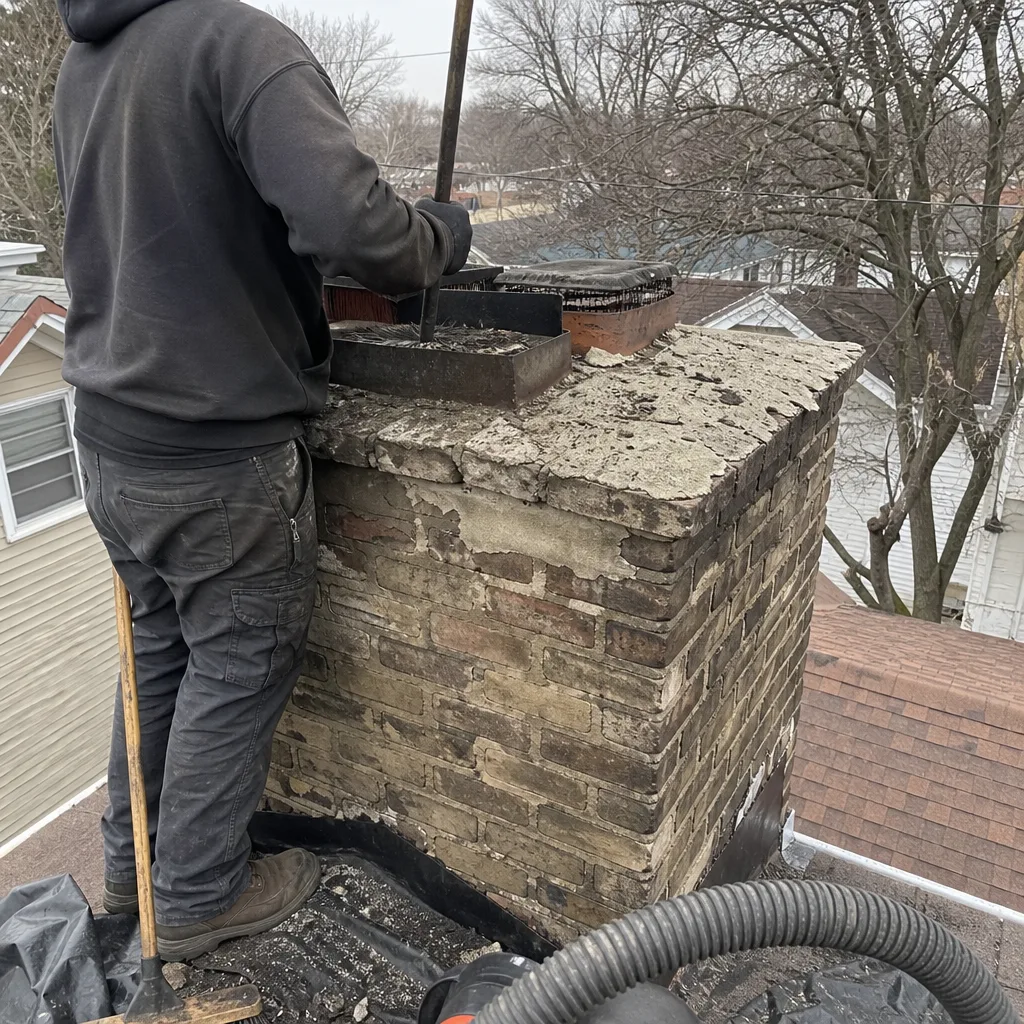 Before
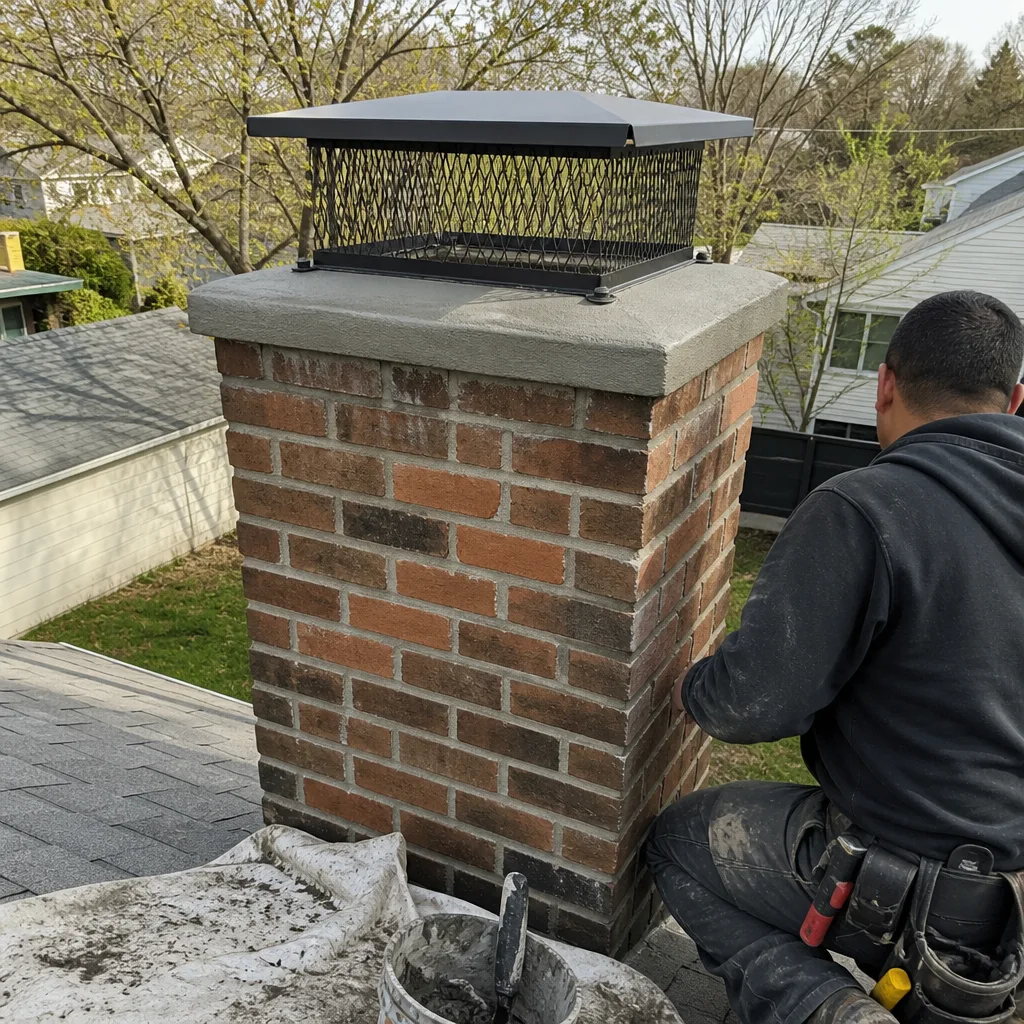 After
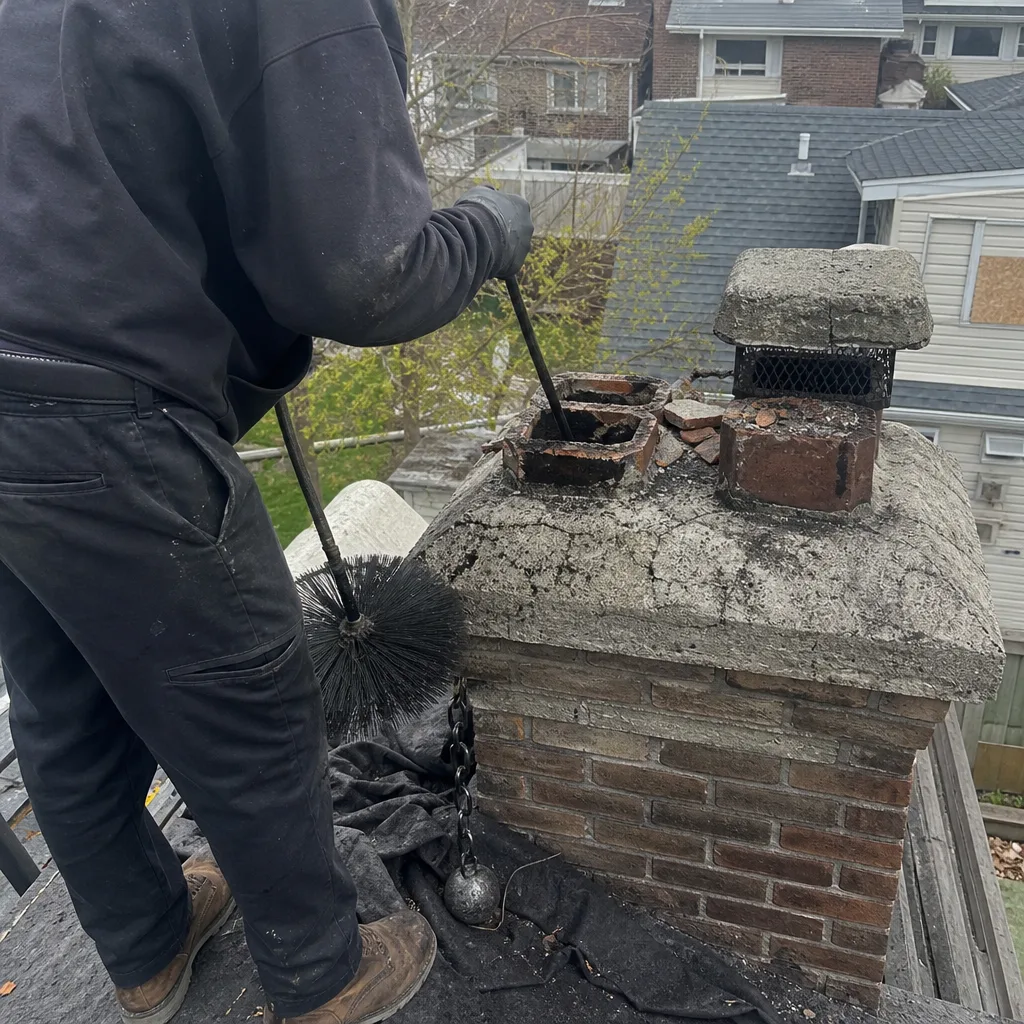 Before
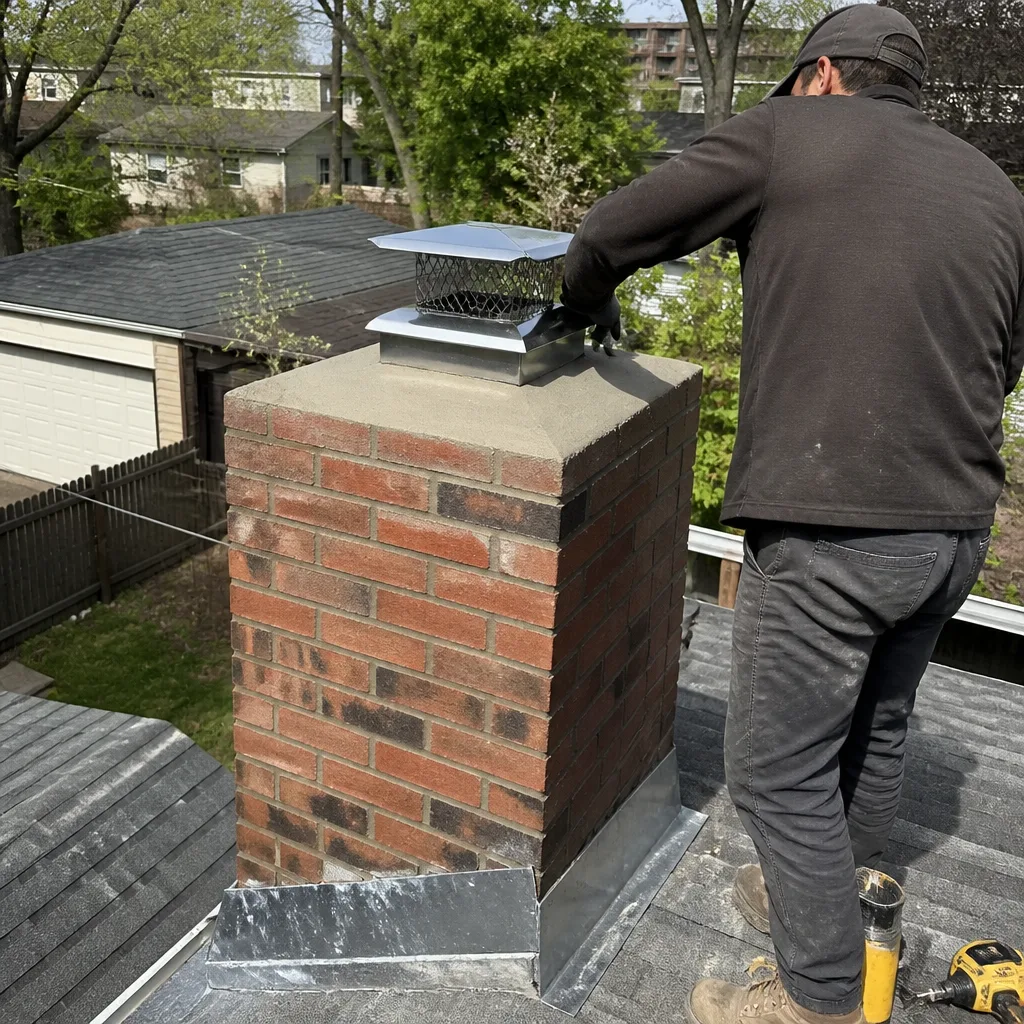 After
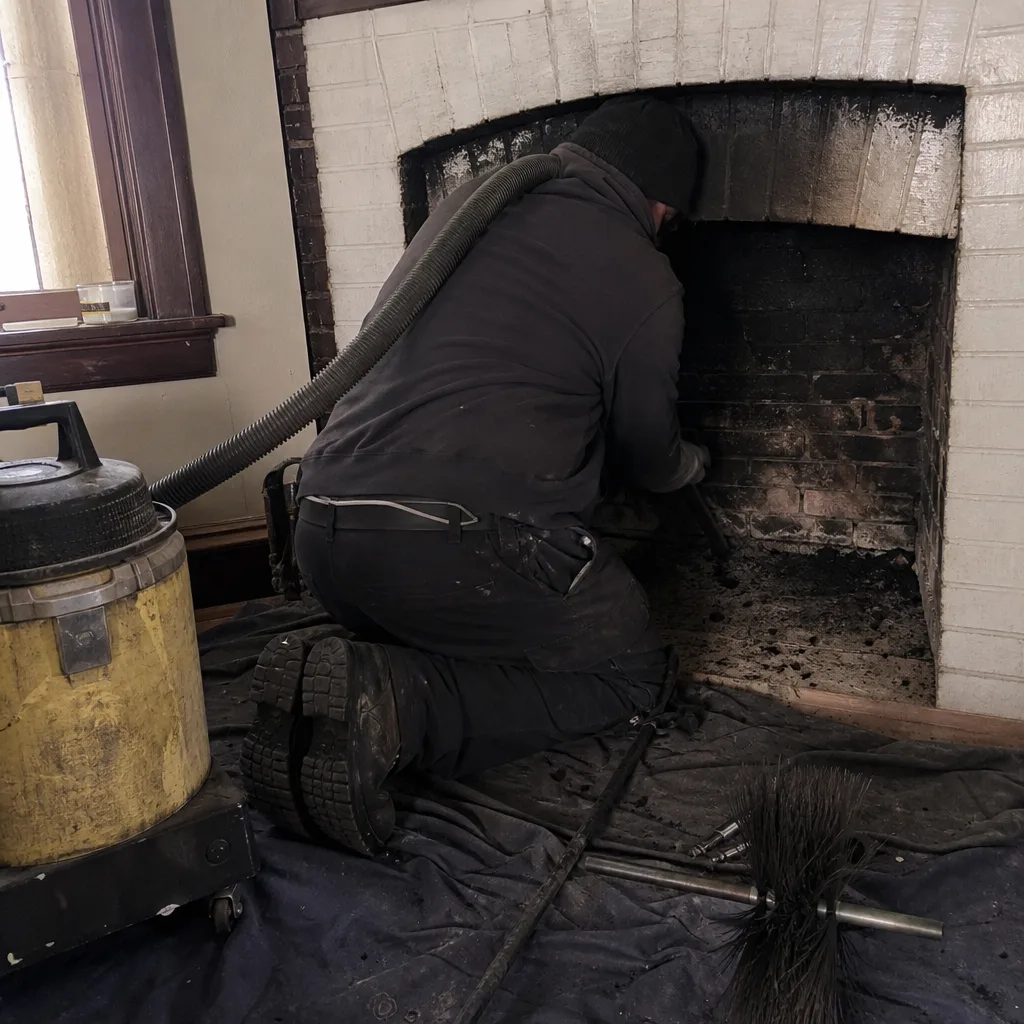 Before
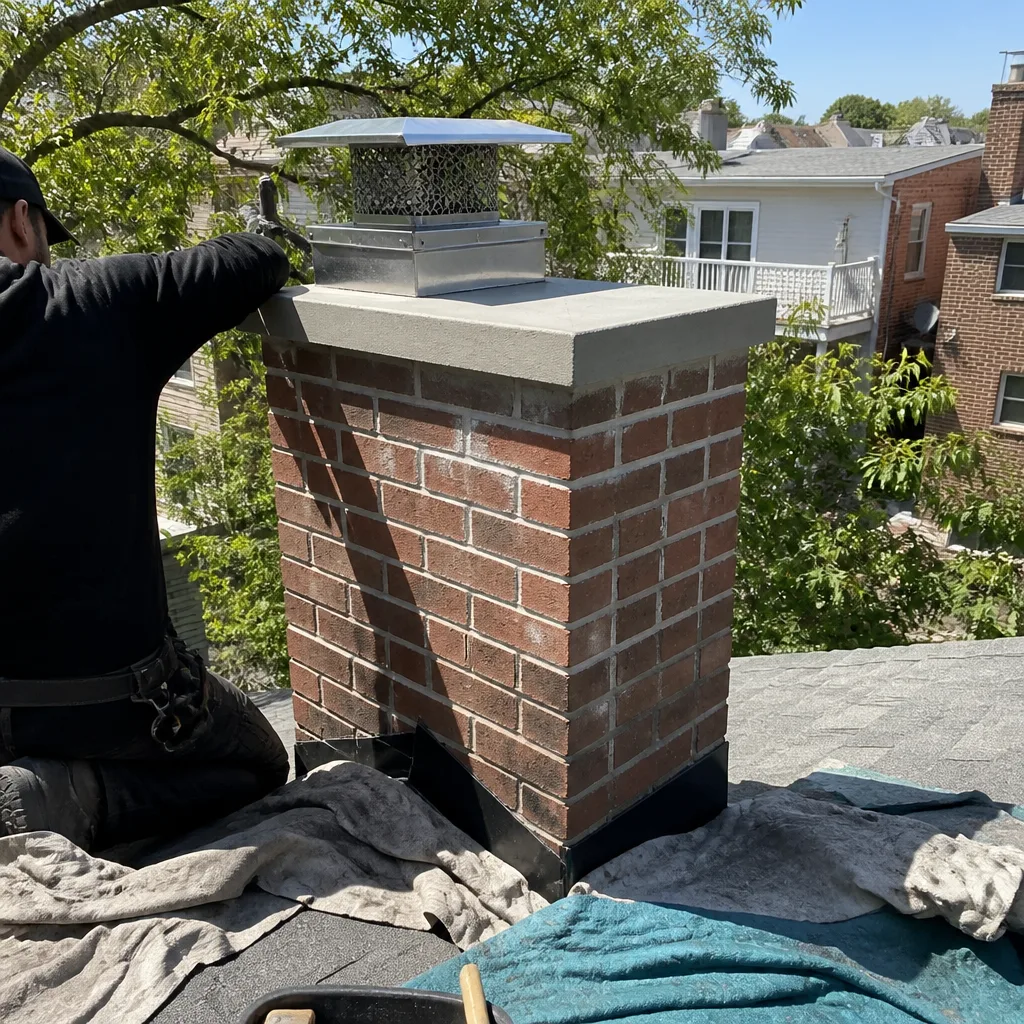 After
When to Call a Professional
You should call a chimney professional any time you see glaze-like dark buildup on the flue walls, notice smoke entering the living space, smell a campfire odor when the fireplace is not in use, or observe deteriorating mortar or brick on the exterior chimney. Also call before changing the fuel type in an existing fireplace (wood to gas or vice versa), after a chimney fire, and before buying or selling a home in West Town. These are all Level II situations. If your dryer is taking longer than 45 minutes to dry a normal load, if the exterior vent flap doesn’t open fully, or if you can’t remember the last time the duct was cleaned, that system needs professional attention too. For chimney sweeping, repair, and dryer vent cleaning, we offer free estimates in West Town. Call (833) 365-6591 to schedule. We’ll tell you what condition the flue or vent is in, show you the camera footage, and give you a straight answer on what needs doing now and what can wait.
Frequently Asked Questions
A standard Level I chimney sweep in West Town typically costs between $180 and $280 for a wood-burning fireplace. A Level II inspection with camera adds $150 to $250 on top of that, and creosote removal beyond Stage 1 increases the total based on the buildup and the equipment required. Call (833) 365-6591 for an exact quote for your setup; estimates are free and include the inspection level and what the price covers.
The CSIA standard is annual sweeping for wood-burning fireplaces, regardless of how often you burn. Gas log sets and inserts need annual inspection, though not necessarily brushing. If you burn more than twice a week during the season, or if you burn wood that hasn’t been seasoned for at least six months, you may need a mid-season check. The climate in West Town means the burning season runs from October through March, so schedule the sweep in late summer or early fall before the first fire.
Not always, but frequently yes. Gas exhaust is cooler and more acidic than wood smoke, which corrodes clay tile mortar joints over time. If a camera inspection shows open joints or flaking tile, the acidic gas has begun to attack the flue structure. In those cases, the long-term fix is a stainless liner like a DuraFlex system sized to the appliance, or a resurfacing treatment like HeatShield if the original flue is structurally intact. The decision should be based on camera evidence, not a guess. A report with clear photos makes the recommendation verifiable.
The creosote progresses from Stage 1 powder to Stage 2 crust, then to Stage 3 glaze. At Stage 2, brushing alone no longer removes it, and the flue needs mechanical cleaning. At Stage 3, the material is combustible and a chimney fire becomes a real possibility. Additionally, an unswept flue may hide a cracked tile or a separated mortar joint that allows heat into the framing around the chimney, which is how chimney fires spread into the house structure. The sweep is the only time anyone looks at that path end to end.
Some do, and some treat it as an afterthought. Brightway Chimney Sweep includes dryer vent cleaning as a core service, not a sideline. The dryer duct is inspected with the same camera verification and cleaned to the same standard as a fireplace flue. That matters because lint accumulation is one of the leading causes of residential house fires. Call (833) 365-6591 to schedule both systems on the same visit.
A sweep is the physical removal of creosote, soot, and debris from the flue. An inspection is the visual and camera-based assessment of the flue’s condition, including the liner, damper, crown, and clearances. They are separate steps that happen on the same visit. A sweep without an inspection is incomplete, and an inspection without a sweep leaves the creosote in place. The two together are what a professional chimney service provides.
The Bottom Line
A chimney sweep in West Town is not a single service you buy once and forget. It’s a diagnostic sequence tuned to your flue type, your fuel, and the age of your home. Pre-1960 housing stock means clay tile flues that have been through freeze-thaw cycles and fuel conversions, and those flues need Level II camera inspections, not quick brush passes. Know your creosote stage, verify your written report line by line, and treat the dryer vent as a parallel system that fails the same way. Brightway Chimney Sweep provides sweeping, repair, and dryer vent cleaning for West Town homes with the same standard throughout, and you can find more guides & resources on our blog. Call us at (833) 365-6591 for a free estimate, and we’ll show you exactly what’s in your flue, in writing, with photos to prove it.
For more on the specific services we provide, see our pages on Chimney Sweep in West Town, Chimney Repair in West Town, and Dryer Vent Cleaning in West Town. You can also visit the Brightway Chimney Sweep home page for an overview of everything we do.
Written by the team at Brightway Chimney Sweep, serving West Town since 2016.